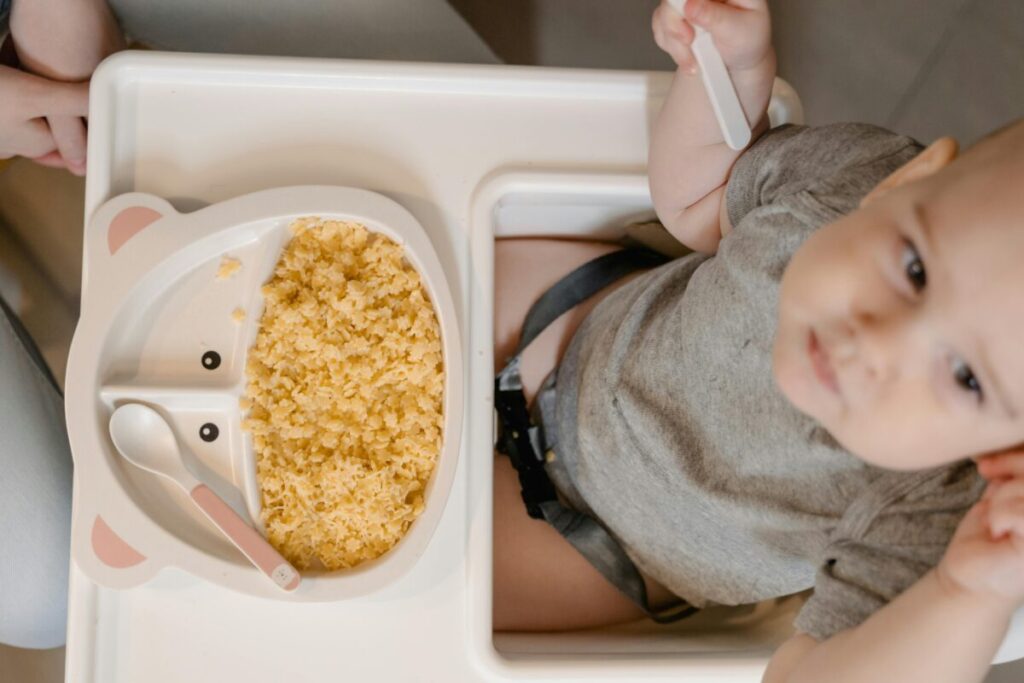
So, here we are! If you’re looking for an easy 6-month-old baby feeding schedule, you’ve officially survived the newborn fog and reached a massive milestone. Your baby is six months old, sitting up, and suddenly, they’ve developed a very intense interest in whatever you’re eating. They’re sitting up, looking more like a tiny little human every day, and suddenly, they’ve developed a very intense interest in whatever you’re eating. You know that look—the one where they follow your fork with the focus of an Olympic athlete. It’s time for solids.
You’ve probably seen the Pinterest-perfect photos of babies neatly nibbling on organic steamed broccoli. Wait, let me stop you right there. The reality of the first week of solids is usually a lot more like a colorful explosion in a blender than a gourmet dining experience. It’s messy, it’s confusing, and honestly… it’s one of the most exciting (and slightly terrifying) milestones you’ll hit.
If you’re feeling a mix of “I can’t wait to see their face!” and “What if I do this all wrong?”, you’re in exactly the right place. So let’s break down that first week of solids without all the clinical jargon and pressure to be perfect.
Is My Baby Actually Ready? (The Reality Check)

The “six-month mark” is the general gold standard for starting solids 6 months, but every baby has their own internal clock. Before you start boiling carrots… but wait… check for these signs first:
- Steady Head Control: They need to be able to hold their head up and steady without wobbling. This one really matters for safe swallowing.
- The Upright Sit: They should be able to sit with little to no support. If they’re slouching over in the high chair, their digestive system isn’t quite ready to handle gravity and food at the same time.
- The Disappearing Reflex: Newborns have something called the “tongue-thrust reflex,” where they push everything out of their mouth with their tongue. If they’re still doing this, they aren’t ready for a spoon.
- The “I Want That” Look: If your baby is reaching for your food or opening their mouth when you take a bite, they’re mentally ready to join the party.
If you’re seeing most of these, you’re probably good to go. Checking these milestones is the first step in creating a solid 6-month-old baby feeding schedule that actually works for your family. But if they’re exactly six months and still seem uninterested or can’t sit up well, there is zero shame in waiting another week or two. If you’re still sitting on the fence and staring at the high chair with anxiety, you might want to read my deep-dive roadmap [When Can My Baby Start Eating Baby Food? The Messy, Honest Guide to Starting Solids] to get 100% clarity before that first spoonful. Most experts, including the American Academy of Pediatrics, suggest waiting until 6 months.
Most experts, including the American Academy of Pediatrics, suggest waiting until 6 months.
The Master Plan: A Simple 6-Month-Old Baby Feeding Schedule

Creating a 6-month-old baby feeding schedule doesn’t mean you need to be a chef.
In the beginning, we’re not really talking about “meals” yet. We are talking about “tastes.” At this stage, your baby is still getting almost all their nutrition from breast milk or formula. The first week is about learning how to use those new mouth muscles.
Days 1 to 3: The Gentle Introduction
Stick to a single-ingredient baby’s first puree. You want something bland, creamy, and easy to digest. Don’t expect your baby to eat a full bowl on day one; the 6-month-old baby feeding schedule at this stage is all about tiny tastes and new textures.
- Top Picks: Avocado, Sweet Potato, or Banana.
- The Timing: Pick a time when your baby is happy and alert. About 30-60 minutes after a milk feed is usually the “sweet spot”—they aren’t starving (which leads to frustration), but they aren’t totally stuffed either.
- The Goal: One or two teaspoons. That’s it. And if they spit it all out? honestly… still a success. They felt the texture.
Days 4 to 7: Slow and Steady
If there were no signs of tummy upset or rashes from the first food, you can try a second ingredient.
- New Flavors: Try steamed and mashed peas or a very thin baby cereal mixed with breast milk. Once you’ve seen no allergic reactions, you can introduce a new veggie. Adding one new ingredient at a time is the safest way to build your 6-month-old baby feeding schedule without overwhelming their tiny digestive system.
- Wait, don’t start mixing five different things yet. Keeping it simple helps you identify if a specific food doesn’t agree with them.
New Flavors: Try steamed and mashed peas or a very thin baby cereal mixed with breast milk. Once you’ve seen no allergic reactions, you can introduce a new veggie. Adding one new ingredient at a time is the safest way to build your 6-month-old baby feeding schedule without overwhelming their tiny digestive system. When you are ready to introduce common allergens like eggs, check out my guide: [How to Serve Egg to 6 Month Old: Safe Methods and Allergy Prevention] for simple, safe steps.
Choking vs. Gagging: How to Stay Calm

Nothing sends a parent’s heart into their throat faster than seeing their baby struggle with a swallow. Safety is the biggest priority when you start your 6-month-old baby feeding schedule, so understanding the difference between gagging and choking is a must. This is the biggest hurdle to overcome in the first week of solids.
- Gagging is Normal: It’s loud, it involves coughing, and sometimes a little bit of food comes back up. This is actually a safety mechanism. Your baby’s gag reflex is located much further forward on their tongue than yours. They are learning how to move food around. If they are gagging, stay calm, talk to them gently, and let them work through it.
- Choking is Silent: If a baby is truly choking, they cannot make a sound. They cannot cry or cough. This is when you intervene immediately.
Most of what you will see in the first week is gagging. It’s part of the learning process. The more they practice, the less it happens. Most of what you will see in the first week is gagging. It’s part of the learning process, and it’s a phase every parent goes through when starting an easy 6-month-old baby feeding schedule. The more they practice, the less it happens.
It is also vital to follow official choking hazards and safety measures to keep your baby safe.
The “Mess Factor” and Sensory Play

I’m going to be honest with you: you are going to find sweet potato in places you didn’t know existed. Behind the ears, in the eyebrows, inside the diaper… it’s a lifestyle now… whether you’re ready or not 😅
Many parents try to keep things clean by wiping the baby’s face after every single spoonful. But honestly? here’s a tip from the trenches: let them be messy. When a baby gets food on their hands and face, they are learning about texture. Sensory play is a huge part of a successful 6 month old feeding schedule.
If you make the experience about “staying clean,” it can become stressful for the baby. Put a towel under the high chair, strip the baby down to a diaper, and let them dive in. The bath afterward is just part of the routine.
Essential Gear (And Stuff You Don’t Actually Need)
A Sturdy High Chair: Something easy to wipe down—avoid the ones with lots of fabric nooks and crannies. You need something that won’t turn into a science project every time a pea falls.
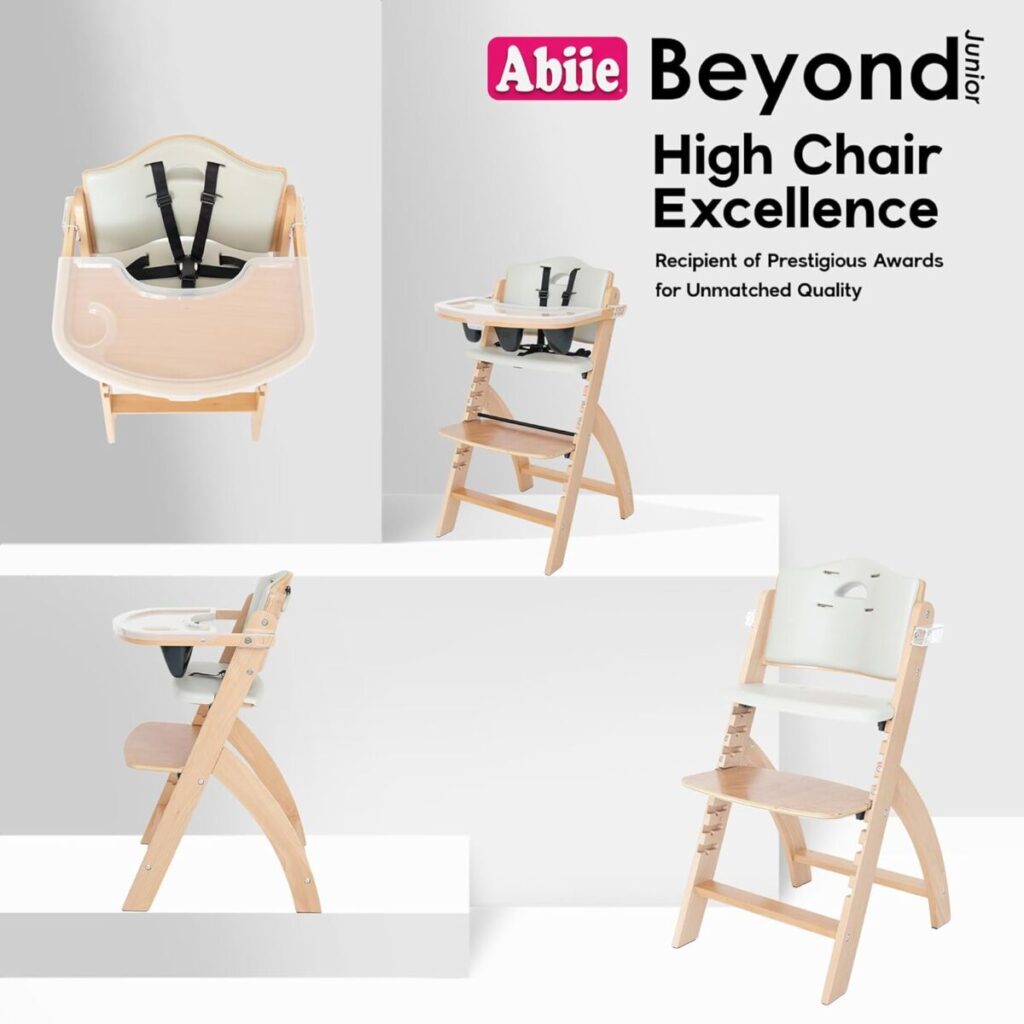
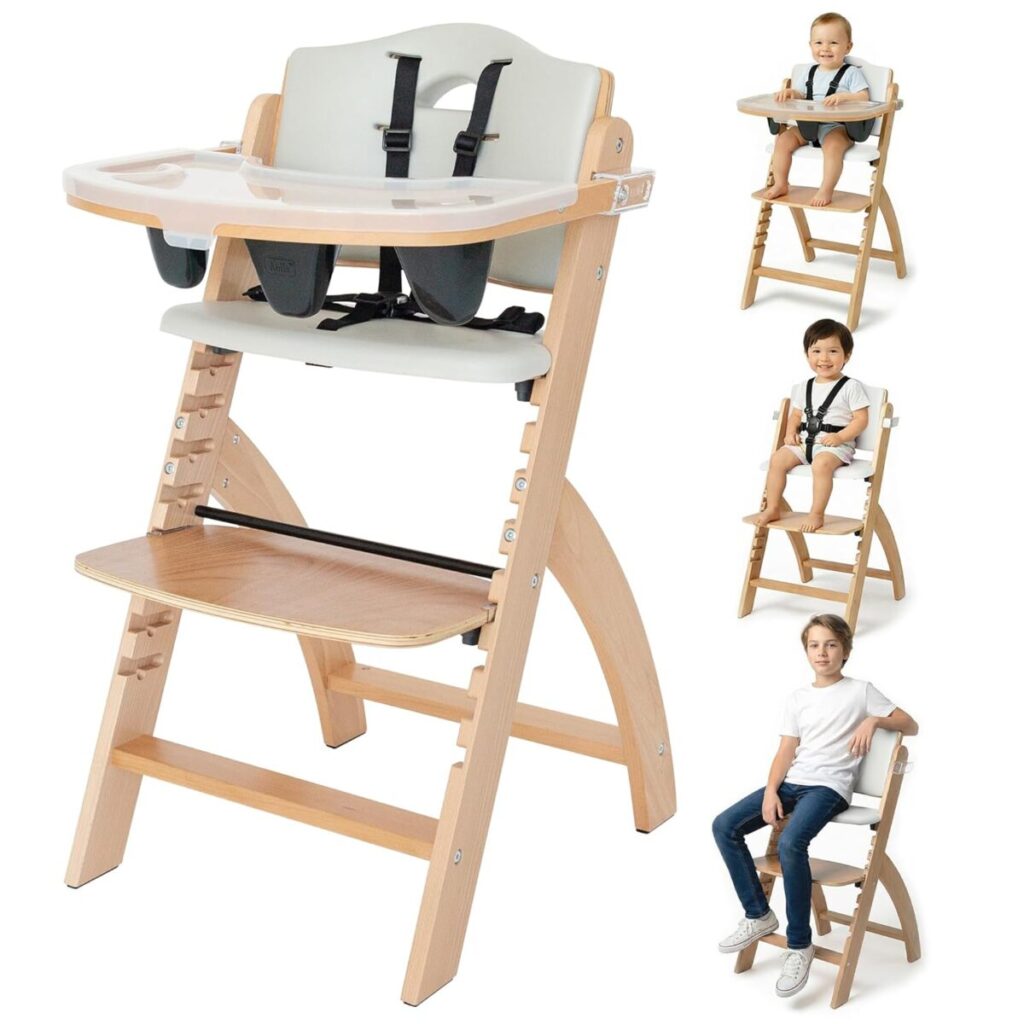
Personal Recommendation: If you’re looking for a reliable, easy-to-clean option that won’t break the bank, this model is my absolute favorite for those messy first meals. I love it because it takes seconds to wipe down after a chaotic lunch!
You don’t need a kitchen full of gadgets to stick to this 6-month-old baby feeding schedule, but a few things make life much easier.
Marketing for baby products is intense. You do not need a $200 specialized baby food maker that also plays Mozart. Here’s what actually matters (and what you’ll end up using every day):
- A Sturdy High Chair: Something easy to wipe down (avoid the ones with lots of fabric nooks and crannies).
- Soft Silicone Spoons: These are gentle on sore gums and small enough for tiny mouths.
- Short, Wide Cups: If you want to introduce a few sips of water, open cups or straw cups are better for oral development than traditional sippy cups.
- A Good Bib: Preferably one with a ‘catch-all’ pocket at the bottom. It will save you about 40% of the cleaning time while you navigate your 6-month-old baby feeding schedule.
My Tip: If the idea of steaming and mashing every single day feels overwhelming, you don’t have to do it! I’ve mastered a way to get it all done at once. Check out my guide on Baby Food Meal Prep 101: How to Prep a Week of Nutritious Meals in 60 Minutes to save yourself hours in the kitchen.
Common Roadblocks: “Is it still an Easy schedule if my baby refuses to eat?”

What do you do if you’ve prepared the perfect organic pea puree for your 6-month-old baby feeding schedule and your baby looks at you like you’re trying to feed them literal dirt?
The first week is about curiosity, not consumption. If they turn their head away or start crying, the meal is over. No pressure. Even if today is a struggle, keep going—every baby eventually finds their rhythm within their 6-month-old baby feeding schedule. We want them to love the high chair, not fear it.
Balancing Solids with Milk: What You Need to Know

One of the most frequent questions I get is about how much milk to cut out of the 6-month-old baby feeding schedule. Wait, don’t go dropping bottles or nursing sessions just yet!
At six months, solids are ‘complementary.’ Milk is still their primary source of calories. Think of the first week as ‘Food Kindergarten.’ They’re just learning the alphabet. Many parents wonder if these first meals will help with the nighttime struggle, and the connection is real. For a deeper dive into this, check out my guide on Sleep Training & Nutrition: How to Help Your Baby Sleep Through the Night, where I break down how a full tummy leads to better rest. As they get closer to 8 or 9 months, they’ll start eating more naturally, but for now, keep that milk supply consistent.
I hope this 6-month-old baby feeding schedule makes your first week of solids a little less scary and a lot more fun!
As the World Health Organization states, milk is still the primary source of nutrition at this age.
When is the best time to start solids?
Most pediatricians and the AAP recommend starting around 6 months, once the baby shows readiness signs like sitting up and head control.
Can my baby eat solids without teeth?
Yes! Babies use their gums and tongue to mash food. Focus on soft, squishy textures.
Should I cut out milk feeds when starting solids?
No. At 6 months, breast milk or formula remains the primary source of nutrition. Solids are “complementary” at this stage.
What’s Next After the First Week?
Once your baby has mastered their first tastes and you’ve found your rhythm, it’s time to look ahead! To see how your routine will evolve next month, check out my step-by-step guide: Easy 7-Month-Old Baby Feeding Schedule: A Stress-Free Guide. It covers how to increase calories and introduce more variety safely.
Pull up a chair, mama. There’s more:
If you are currently wiping orange puree off your kitchen walls and wondering if any of that food actually made it into your baby’s mouth, here are a few more brutally honest guides to survive the early feeding days:
- 🍠 Ready to master the ultimate first food without the choking panic? Get the real tea in: The Sweet Potato Guide for Babies: From First Mash to Stress-Free Finger Food
Personal Note & Disclaimer
I’m writing this because I’ve been where you are. Writing this 6-month-old baby feeding schedule brought back so many memories of those first messy high-chair moments with my own little ones. I remember the anxiety of that first spoonful of avocado.
TinyCareTips is basically my way of sharing the stuff I wish someone had told me—the messy, unpolished, “you’re doing a great job” truth.
But I have to be very clear: I’m a mom and a blogger, not a doctor or pediatrician, pediatrician, or nutritionist. Every single baby is a unique little miracle with their own specific needs. What worked for my kids might be different for yours.
Before you start this journey, please consult with your pediatrician. They know your baby’s medical history and can give you the green light or specific warnings based on allergies or growth patterns. This guide is for educational and entertainment purposes based on personal experience and should not replace professional medical advice.
As an Amazon Associate, I earn from qualifying purchases.