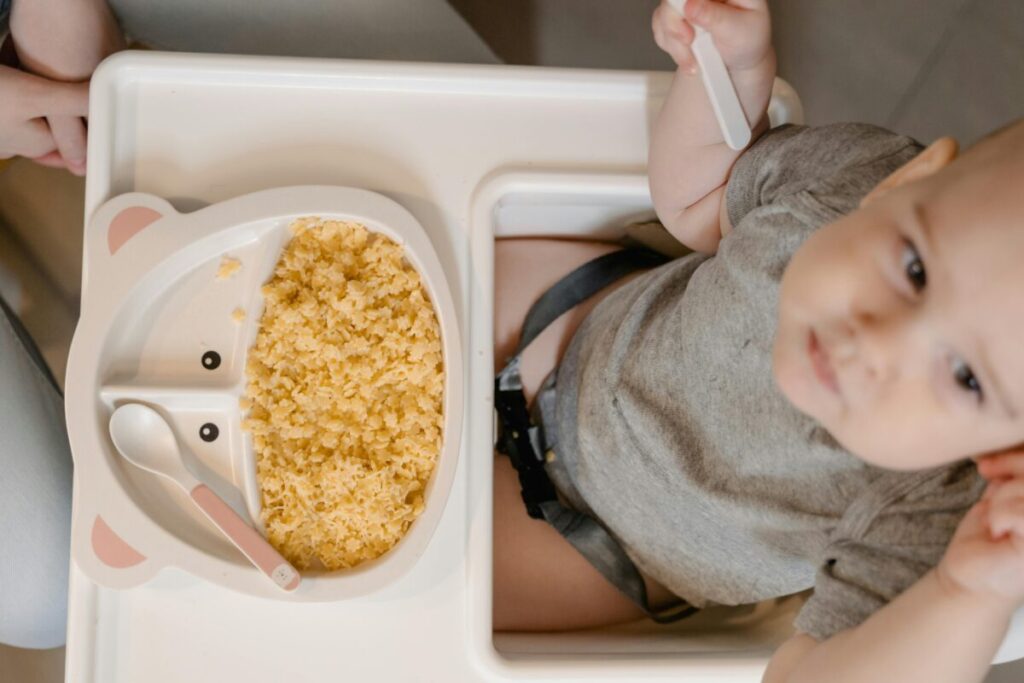
Baby Food Meal Prep: The 60-Minute Solution for Busy Parents
Finding the time for Simple baby food meal prep can feel impossible when you’re a busy parent. I’m sure you have felt the difficulty when trying to cook a fresh meal for your baby while he or she is wailing, hanging on to you, or not willing to go to sleep.
This is when baby food meal prep through batch cooking becomes an absolute lifesaver.
Rather than cook daily, you cook for a whole week’s worth of food for your baby in one single session, which usually takes around 60 minutes. This means:
Time is saved on busy weekdays
Stress levels drop concerning meal times
Your baby will get healthy, consistent meals
From my personal experience, things became a lot easier after I started my baby food meal prep routine.
Before we dive into the ‘how-to’, if you’re looking for a complete daily guide, you might also find [The Ultimate 7-Month-Old Baby Food Schedule: Solid Starts, High-Calories, and Better Sleep] helpful for planning your week.
My “Survival Kit”: The Tools That Actually Saved My Sanity

Before you dive headfirst into baby food meal prep, let’s talk gear. Believe me, I’ve tried doing this with just a fork and a prayer. Believe me, I’ve tried doing this with just a fork and a prayer, and it’s a nightmare. If you want to get through this without losing your mind, these are the few things I actually swear by:
🛠️ The Stuff You’ll Actually Use
- A Steamer (or even just a cheap basket): This was my go-to for almost everything. It’s the fastest way to get those veggies mushy enough without boiling away all the “good stuff” your baby needs. Plus, it’s way quicker than waiting for a huge pot of water to boil.
- The Trusty Blender: Whether it’s a fancy food processor or a simple hand blender, you need something that can handle the transition from “completely smooth” to “kinda chunky” as your little one grows. Mine has seen things you wouldn’t believe!
- A Good Old Baking Sheet: Here’s a little secret—roast your veggies! Toss them in at 400°F. It brings out this natural sweetness that actually makes babies want to eat their greens. It’s a total game-changer for picky eaters.
- Silicone Ice Cube Trays (The MVP): If you buy only one thing, make it this. Each cube is usually exactly 1 oz, which is the perfect “starter” size. I can’t tell you how many hours I saved just by having these ready in the freezer.
- Random Storage Bags or Containers: Nothing fancy needed here—just something to keep your freezer from looking like a crime scene. Label them, or you will forget what’s carrot and what’s sweet potato. Trust me on that one.
💡 My Top “Mom Tip” Those silicone trays? They are literally a game-changer. Once the food is frozen solid, I just pop the cubes out into a big freezer bag. It makes “mixing and matching” so easy:
- 2 cubes? That’s a quick 2 oz snack.
- 4 cubes? A solid 4 oz lunch. It’s like Lego, but with baby food!
The 60-Minute Baby Food Meal Prep Game Plan
This is where the magic happens. With a simple plan, baby food meal prep allows you to make multiple meals in just one hour.
⏱️ Step 1: Roast or Steam Your Base Foods (20–25 minutes)
Choose 2–3 ingredients for the week:
- Sweet potatoes (1–2 lbs (450–900 g))
- Carrots (1 lb (450 g))
- Zucchini or broccoli
Roasting Method:
- First, crank your oven up to 400°F. While that’s heating, chop your veggies into small-ish pieces—they don’t have to be perfect!
- But don’t stress about making them perfect—just chop them into small-ish pieces. And then, roast them for about 20–25 minutes until they’re nice and soft.
Steaming Method:
- Steam for 10–15 minutes until fork-tender
🥣 Step 2: Blend or Mash (15–20 minutes)

- Add cooked veggies to blender
- Add liquid (water, breast milk, or formula) 1–3 oz (30–90 ml) as needed
- Blend to desired consistency
💡 You can keep some textures chunkier as your baby progresses.
🧊 Step 3: Portion & Freeze (10–15 minutes)
- Pour into silicone trays (1 oz / 30 ml per cube)
- Freeze for 4–6 hours
- Transfer to labeled freezer bags
And just like that—boom. You’ve officially conquered the week’s meals in less time than it takes to watch a Netflix episode.
Structuring the Week with Meal Prep
Meal prep works best when paired with a consistent routine.
For example:
- Breakfast: 2 cubes (2 oz / 60 ml) fruit puree
- Lunch: 3–4 cubes (3–4 oz / 90–120 ml) veggie mix
- Dinner: protein + veggie combo
This structure helps ensure your baby is getting enough nutrition consistently.
This structure helps ensure your baby is getting enough nutrition consistently. If you’re looking for more specific ideas on daily timing, check out my complete [7-Month Feeding Schedule] for a full breakdown of solids and milk.
Boosting Nutrition for Growth
Baby food meal prep is not just about convenience—it’s also about maximizing the nutrition in every bite your baby takes.
🥑 Add Healthy Fats to Every Meal
Before serving (not before freezing), mix in:
- Olive oil: 1 tsp (5 ml)
- Mashed avocado: 1–2 oz (30–60 g)
- Butter: small amount for extra calories
💡 Why This Matters
Healthy fats:
- It’s great for their little growing brains
- Help with weight gain
- Keep babies fuller longer
In my experience, adding fats made a noticeable difference in both growth and satisfaction after meals.
Healthy fats are great for their little growing brains and help with weight gain. If you are concerned about your little one’s growth, my [Baby Weight Gain Guide] offers more tips on high-calorie foods to add to their diet.
The Nighttime Benefit: Better Sleep Starts with Daytime Meals
Here’s something many parents don’t realize: consistent daytime nutrition improves nighttime sleep.
When your baby:
- Eats regularly during the day
- Gets enough calories (24–32 oz (720–950 ml) milk + solids)
They are less likely to wake up hungry at night.
Baby food meal prep helps because meals are always ready and you don’t skip or delay feedings.
- Meals are always ready
- You don’t skip or delay feedings
- Portions stay consistent
Honestly, once I got the daytime calories sorted, I finally started seeing the light at the end of the tunnel with those 3 a.m. wake-up calls.
Honestly, once I got the daytime calories sorted, I finally started seeing the light at the end of the tunnel with those 3 a.m. wake-up calls. For more tips on establishing a peaceful routine, don’t miss my [Sleep Training Guide] where I share what worked for us.
Storage & Safety Guidelines
Always consult with your pediatrician before introducing new foods, especially if your baby has allergies.
Keeping your baby’s food safe is just as important as preparing it. For more on safe storage and reheating, check out these official food safety guidelines for infants.
🧊 Refrigerator Storage
- In the fridge, they’ll stay fresh for about a day or two (48 hours tops). After that, it’s freezer territory.
- Store in airtight containers
❄️ Freezer Storage

It’s safe in the freezer for up to 3 months. And please, for your own sanity, label them with the date so you aren’t guessing later!
🔥 Reheating Guidelines
Warm the food to about 98–104°F (37–40°C). But honestly, I don’t always use a thermometer—I always just give it a good stir and a little taste test (on my wrist, of course!) before it goes anywhere near the baby. You want to make sure there are no ‘hot spots’ that could surprise them. Stir it thoroughly and always test it yourself first. And remember—never reheat the same portion more than once.
Massive FAQ: Real Talk for Real Parents
1. What are the best containers for baby food meal prep? Honestly, don’t overthink it. Silicone trays (like the ones for ice cubes) are a lifesaver because you can pop the food out so easily. Just make sure they’re BPA-free. Small airtight containers work too, especially if they’re around 1–4 oz—perfect for those tiny, starter portions.
2. Can I actually freeze a banana? You can, but fair warning: the texture gets a little funky. It’s still totally fine for your baby, though! My advice? Mash it up first (about 2–4 oz), freeze it in cubes, and then mix it with something else—like oatmeal—once it’s thawed. It hides the “mushy” vibe perfectly.
3. How do I know if the food has gone bad? Trust your gut (and your nose!). If it smells sour or looks a weird, muddy color—toss it. Also, keep an eye out for watery separation. My rule of thumb? If you’re even a little bit in doubt, it’s not worth the risk. Just throw it out.
4. How much should I be reheating for one meal? Start small! I usually aim for 2–4 oz per meal. There’s nothing more annoying than heating up a huge bowl only for your baby to take two bites and decide they’re done. You can always warm up more if they’re still acting hungry.
5. Can I mix different foods after they’re already frozen? Absolutely! In fact, it’s the best way to keep things interesting. I’d often grab two cubes of carrots and two of sweet potato, mix them together, and—boom—you’ve got a “new” meal. It’s a great trick for picky eaters.
6. Do I really need to add water when I’m reheating? Sometimes you have to. If the puree looks more like a brick than food, splash in an ounce or two of liquid. Whether it’s water, breast milk, or formula, it helps get that smooth texture babies (usually) prefer.
7. Is it okay to prep meat or protein ahead of time? Yes, but you’ve got to be careful. Cook it thoroughly until the internal temp hits 165°F. Once it’s safe, blend or shred it before it hits the freezer. It’s a huge time-saver for busy weeknights!
8. How many meals should I try to make during one baby food meal prep session? Don’t try to be a superhero. Aiming for about 20–30 cubes is a solid goal. That’s usually enough to cover you for a week without taking up your entire Sunday afternoon. It’s all about finding that “sweet spot” for your freezer space.
9. Can I refreeze food once it’s been thawed? That’s a big “no.” Once it’s thawed, the clock is ticking. Use it within 24 hours, and if they don’t finish it, don’t put it back in the freezer. Safety first!
10. What’s the absolute safest way to thaw this stuff? The “gold standard” is letting it sit in the fridge overnight. If you’re in a rush (we’ve all been there), a warm water bath works wonders. One tip: be careful with microwaves. They create “hot spots” that can burn your baby’s mouth, so if you use one, stir it like crazy and test it yourself first!
Final Thoughts
Baby food meal prep isn’t about being perfect—it’s about making life easier.
With just 60 minutes, you can:
- Reduce daily stress
- Improve your baby’s nutrition
- Create a more predictable routine
In my experience, this was one of the biggest “parenting hacks” that actually worked.
Start simple. Stay consistent. And remember—you’re doing an amazing job.