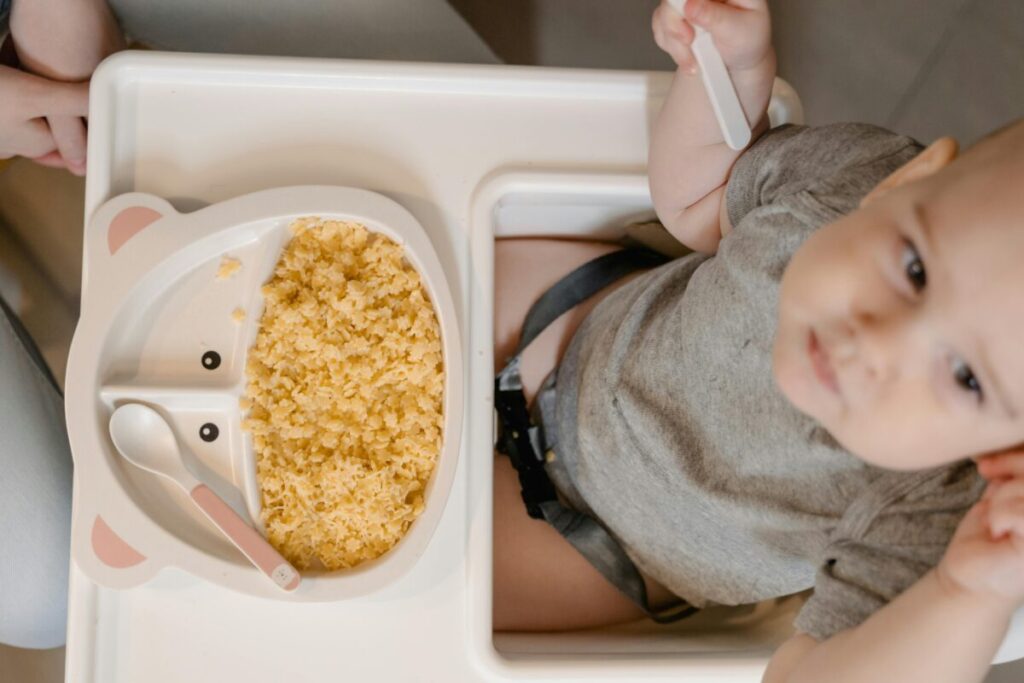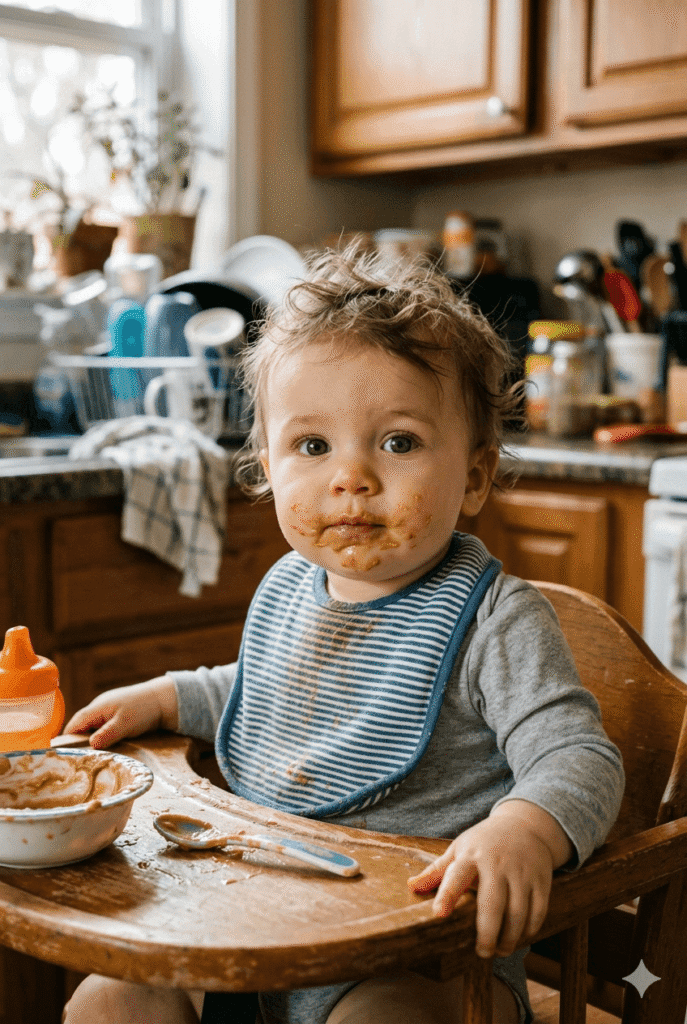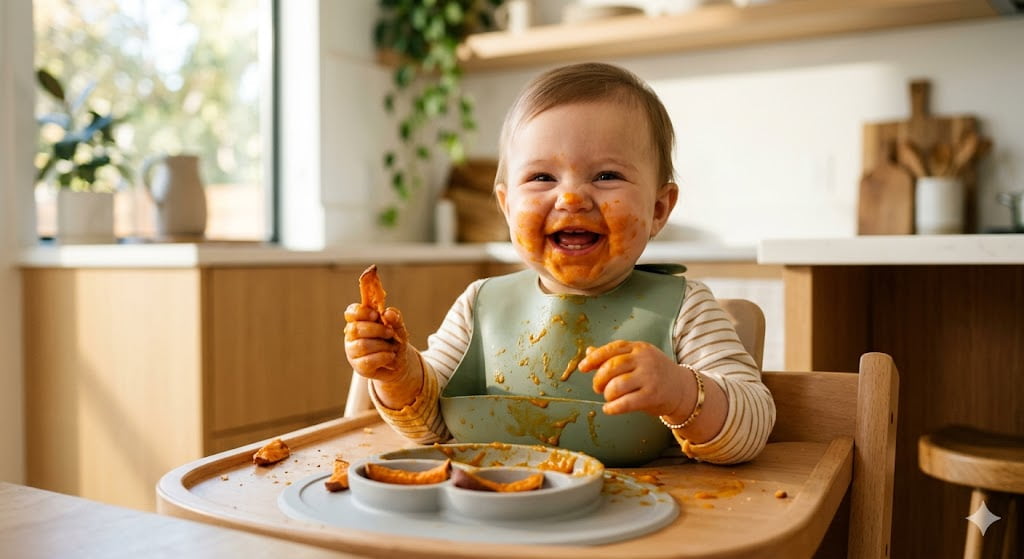
Honestly? If you opened my fridge right now, it looks like a nopal or a pumpkin literally exploded in there. There is orange everywhere. I’m sitting here writing this with a cold cup of coffee, looking at a stray smear of sweet potato on my favorite white hoodie—the one I swore I’d keep clean—and just laughing. My house is a disaster, but hey, that’s just what happens when you’re figuring out how to prepare sweet potato for 6 month old explorers for the first time.
But wait, let’s go back to that first day. I remember standing in the middle of the grocery store, staring at this dirt-covered tuber like it was some kind of complex machinery I didn’t have the manual for. I was genuinely terrified. Was it too hard? Would he choke? And of course, my mom was already in my ear. She’s the queen of “Just give him the mush, why are you making it so hard?”
The first time I tried how to prepare sweet potato for 6 month old explorers, I was a nervous wreck. I think I checked the temperature of that first mash about seventeen times with my pinky. But then he took a bite, and he didn’t just eat it—he painted his ears with it. And that was the moment I realized: this is going to be messy, it’s going to be loud, and it’s going to be totally worth it.
Why the Sweet Potato is the “Starter Drug” of Solids
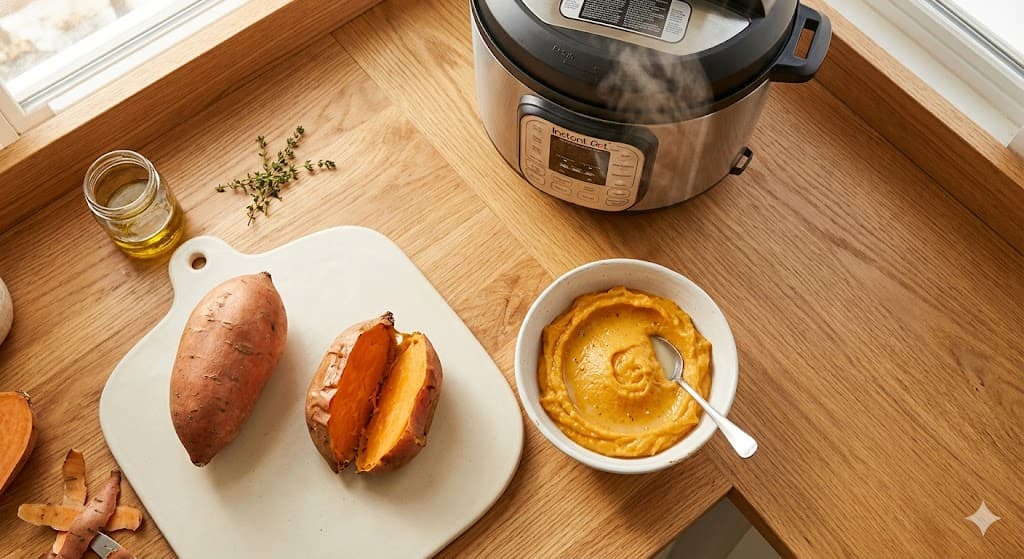
Why is everyone obsessed? It’s not just the Instagram aesthetic, I promise. Sweet potatoes are basically a gift from the parenting gods. They are packed with Vitamin A (great for those tiny eyes that stare at you at 3 AM) and fiber (which, spoiler alert, makes for some very… interesting orange diapers).
But here’s the real reason I love them: they are hands-down one of the best soft foods for babies with no teeth. Once you cook them right, they have this buttery, creamy texture that just melts. Unlike avocados, which are basically like trying to hold a wet bar of soap, a roasted sweet potato has a bit of “grip” to it. It’s the perfect practice tool for those uncoordinated little hands that are still learning that “food goes in mouth, not eye.”
The Squish Test (Or: Why My Husband Thinks I’m Crazy)
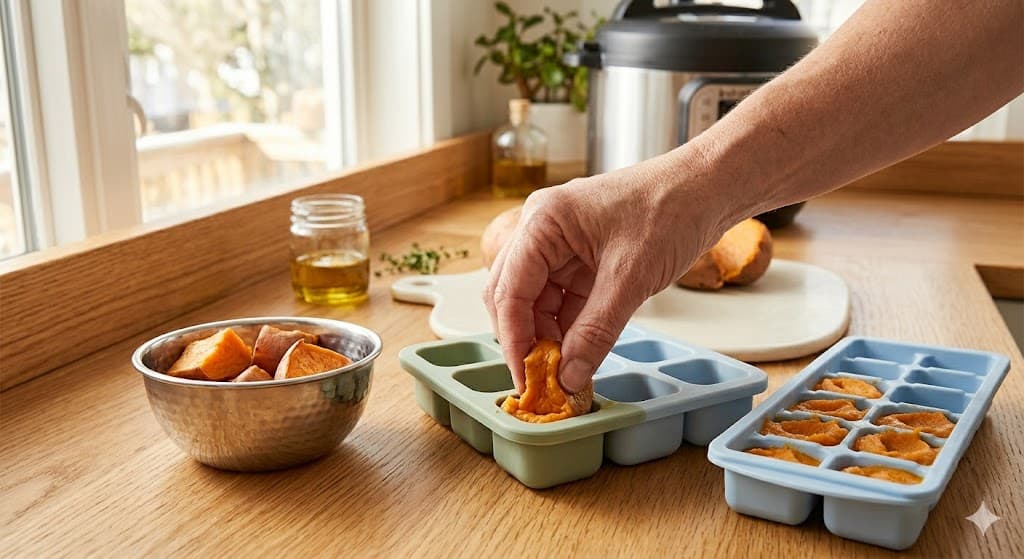
I’ve said it before, but I’ll say it until I’m orange in the face: The Squish Test is the law. Every single morning, before I’ve even managed to brush my hair, I’m standing over the stove like a mad scientist, obsessively squishing boiled carrots and potatoes between my thumb and forefinger. If it offers even a tiny bit of resistance—if it feels like a firm grape or a raw apple—it is banned. It’s gone. Into the trash (or my own lunch). It needs to turn into a soft paste with zero effort.
My husband literally thinks I’ve lost my mind. He walked in the other day and I was just standing there, surrounded by steam, squishing a pile of orange sticks with a look of pure intensity. But hey, it’s the only way I can sleep at night!
Phase 1: How to Prepare Sweet Potato for 6 Month Old Purees (The Smooth Start)
If you aren’t ready to let your kid gum a whole stick of food yet, don’t sweat it. I started with a mash too because my anxiety couldn’t handle the “chainsaw-style” feeding my mom kept warning me about.
The Real-Mom Method:
- Steam, don’t boil: I learned this the hard way. Boiling makes them watery and robs all the vitamins. Steaming keeps the flavor intense.
- The Liquid Gold: Don’t just use water to thin it out. I always blend it with a little breastmilk. It gives them that familiar taste and makes the transition feel less like a “national emergency” and more like a normal meal.
- But wait… don’t make it too smooth forever. After a week, leave a few tiny lumps in there. Trust me, you don’t want a one-year-old who staged a protest if there’s a single texture in their bowl.
Phase 2: Transitioning to Sweet Potato Baby Led Weaning Stages
This is where the laundry chaos really kicks in. Sweet potato baby led weaning stages are all about the “Pinky Finger Rule.”
I remember the first time I cut a sweet potato into wedges. I was so neurotic I actually considered taking out a ruler. You want them about 2-3 inches long—basically the size of your adult pinky finger. Why? Because 6-month-olds grab with their whole palm. If the piece is too small, it gets lost in their fist and they just scream because they can’t find it. They need a “handle” sticking out!
The “No-Time-to-Cook” Survival Guide
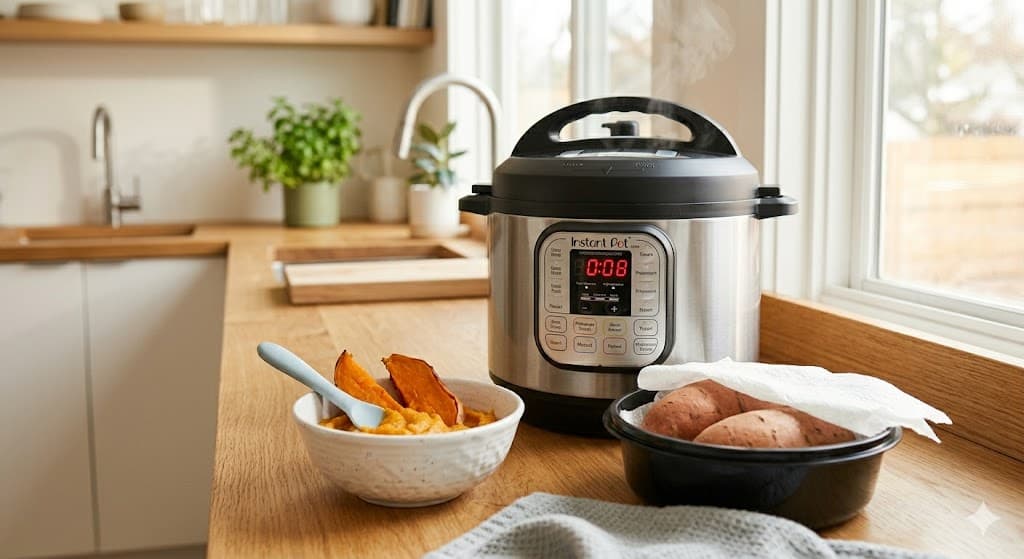
We’re all exhausted. If I have to spend another hour over a stove, I might actually cry. So, here are the shortcuts I actually use:
- The Microwave Zap: Poke holes in the skin, wrap in a damp paper towel, and zap it for 6 minutes. It’s not “chef-quality,” but when you have a screaming infant, it’s a lifesaver.
- The Oven Roast: Toss them in a tiny bit of olive oil. NO SALT! I have to keep reminding my mom this. Their tiny kidneys can’t handle it. Roast at 400°F (200°C) until they pass the squish test.
- The Instant Pot: 8 minutes on high pressure. Boom. Done. The potato basically turns into butter.
Storing Sweet Potato Puree for Baby (The “Orange Brick” Strategy)
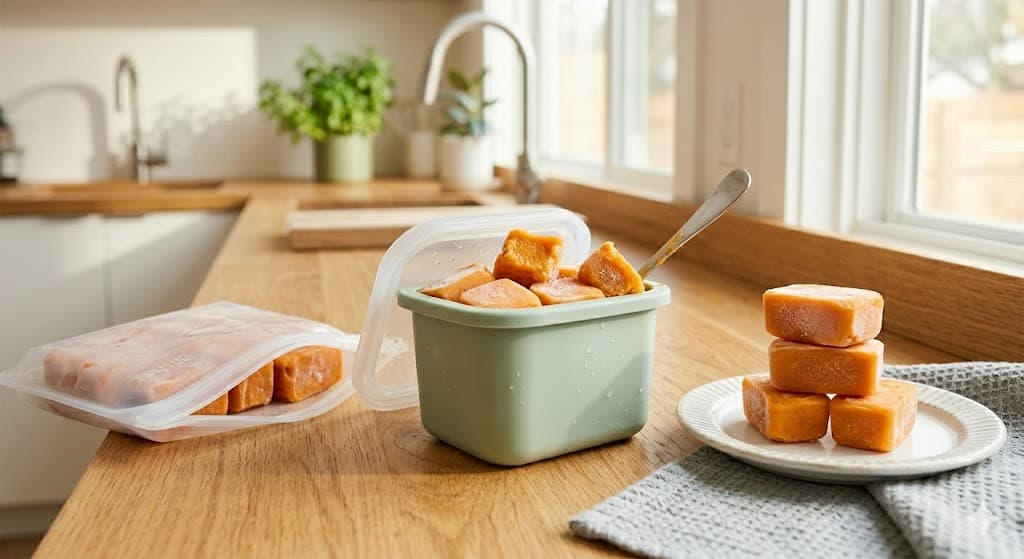
I am a huge fan of “Batch Cooking Sundays” because it’s the only way I feel like I have my life together for at least ten minutes.
When storing sweet potato puree for baby, I use silicone ice cube trays. It’s genius.
- Wait for the mash to cool (don’t melt your Ziploc bags like I did that one time).
- Spoon it in, freeze it, and pop the cubes into a bag.
- When it’s 5:30 PM and you’re too tired to exist, just thaw two “orange bricks” and dinner is served.
Flavor Combos (Because Plain is Boring)
Once you know they aren’t allergic, start playing around! My baby boy is obsessed with these:
- Sweet Potato + Cinnamon: Smells like Thanksgiving, tastes like heaven.
- The Sneaky Green: Sweet potato mixed with steamed spinach. The potato is so sweet it hides the “healthy” taste of the greens.
- The Protein Boost: Mix it with some full-fat Greek yogurt once you’ve cleared dairy.
The “Grandma Factor” and the Pressure
I have to tell you, the comments from my mom are the hardest part. She sees me put a whole broccoli tree or a sweet potato wedge in front of him and she looks at me like I’m letting him play with a power tool. “He’s going to choke! Just give him the mush!”
It’s exhausting. I’ve had to stand my ground so many times. But wait, I just keep showing her the Squish Test. I show her he’s gagging, not choking. It’s about building skills, not just calories. But man, that pressure is real when she’s sitting right there, sighing every time he takes a bite.
Hungry for More? (Because the Research Never Ends)
Before you head back to the kitchen to scrub the orange stains off the floor, I’ve got a few more guides that might help you sleep slightly better tonight:
- Worried about the “big” stuff? If you’re still a little shaky about the safety side of things, check out my breakdown on 8 Tips: How to Tell the Difference Between Gagging and Choking. It’s the peace of mind every parent needs.
- Ready to go beyond potatoes? When you’re feeling brave enough to try other textures, read my First Foods & Finger Foods: A Real-Mom’s Guide to Surviving BLW.
- Is the meal actually over? If you’re tired of guessing if they’re still hungry or just throwing food for sport, here’s how to solve The “Is My Baby Full?” Mystery: Signs Your Baby is Done Eating (and How to Stop the Power Struggle).
Final Thoughts from My Messy Kitchen
Starting solids is a marathon, not a sprint. Some days they will eat like a champion, and other days they will just squeeze the sweet potato between their toes and call it a day. Both are fine.
Trust your gut. Trust the Squish Test. And maybe buy a $5 plastic shower curtain to put under the high chair because the “Orange Phase” is no joke. You’re doing an amazing job, mama. Now go try and drink that coffee before it gets cold again.
Disclaimer: I am not a doctor, a pediatrician, or a nutritionist—I’m just a mom who has spent a lot of time elbow-deep in sweet potato mash and research. The information on this blog is based on my personal experience and general guidelines. Every baby is different, so please consult with your pediatrician before starting solids or introducing new foods, especially if you have concerns about allergies or choking risks. Safety first, mama!