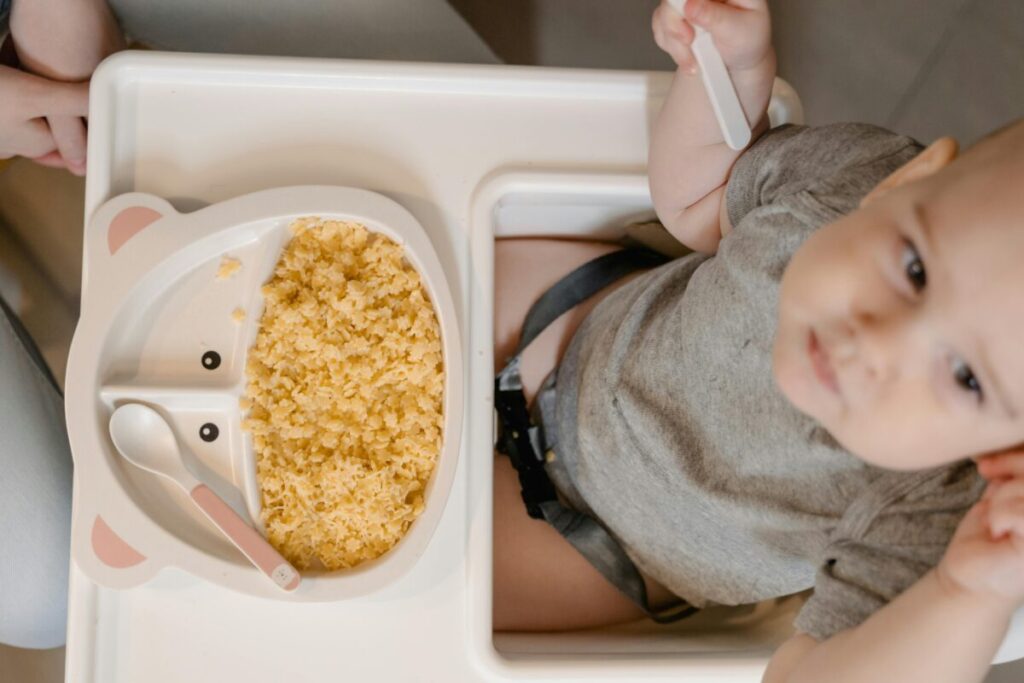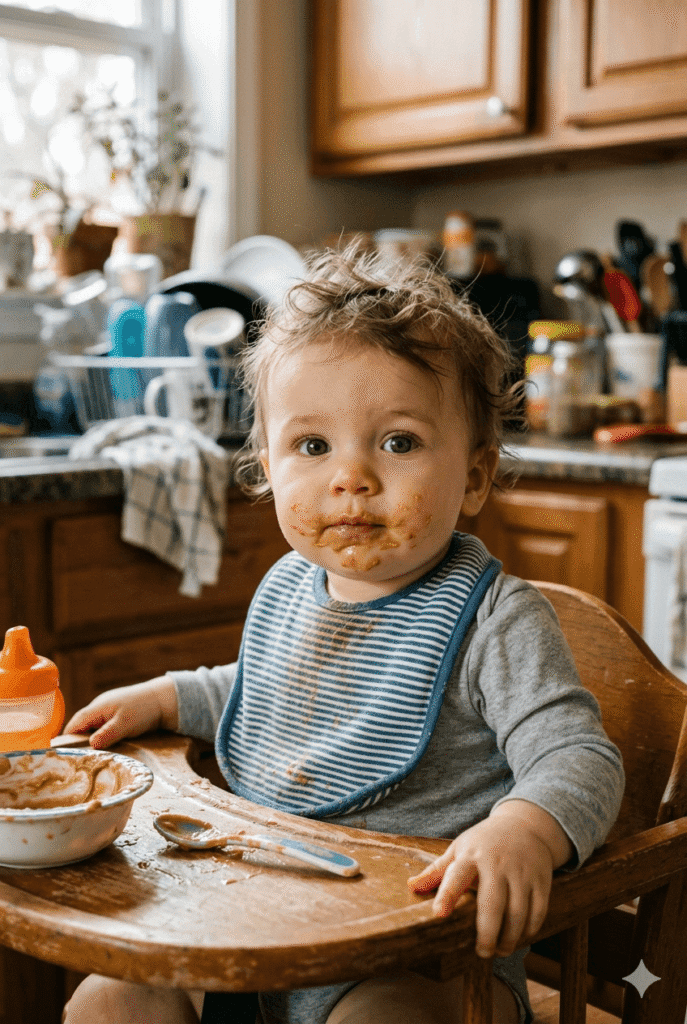
I’m sitting here, literally right now, staring at a smear of organic, hand-massaged kale and apple puree on my forearm that’s slowly drying into a crusty green tattoo. I’m honestly wondering at what exact point in my life I decided that a tiny, toothless human who can’t even find their own feet should be the absolute CEO of my sanity.
If you’re reading this, congrats, you’re probably in the trenches with me. You’ve likely spent the last forty minutes in a high chair staredown, your coffee has reached a temperature usually reserved for morgues, and you are desperately, frantically trying to decode the signs baby is full before you actually lose your mind and start crying into the bib.
Let’s be real for a second: feeding a baby isn’t like those Instagram ads. There’s no soft piano music or pristine white linen bibs. It’s more like a high-stakes, sweat-inducing hostage negotiation where the hostage is a bowl of mashed carrots and the negotiator is wearing nothing but a diaper and a smirk. I’ve been there—I am there—standing in my messy kitchen, feeling like a total failure because my 7-month-old decided that the “gourmet” meal I spent two hours prepping was actually meant for the floorboards.
The “Airplane” That Force-Landed in a Closed Hangar
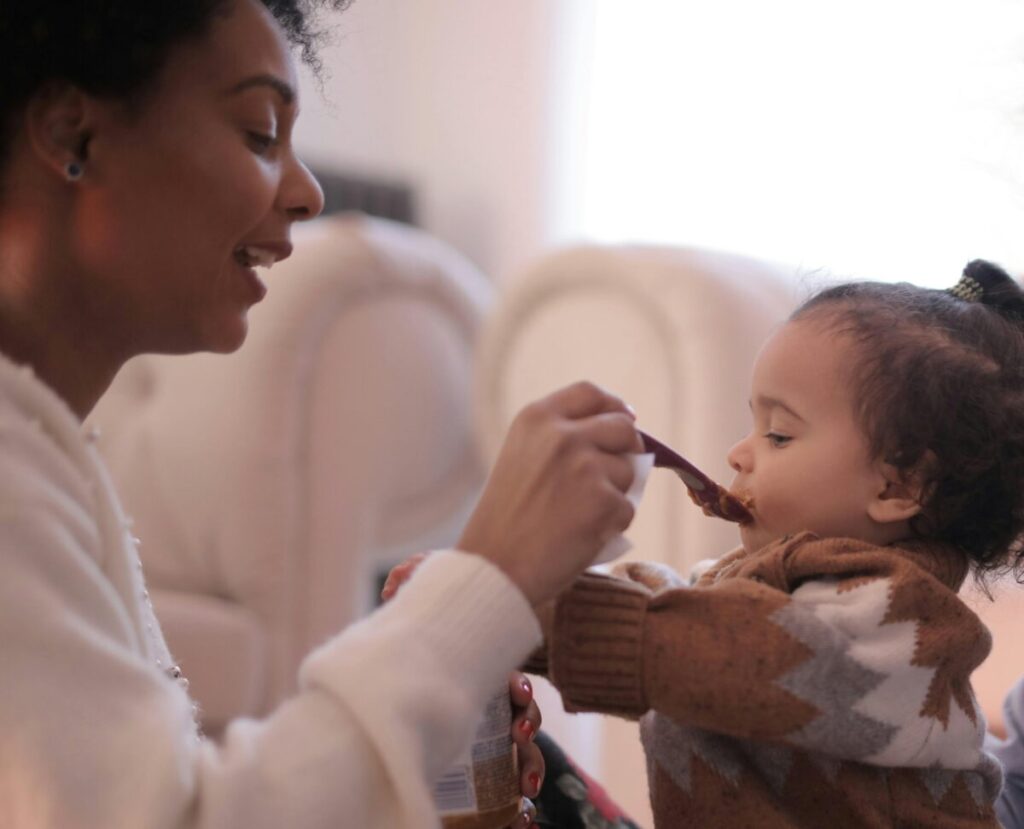
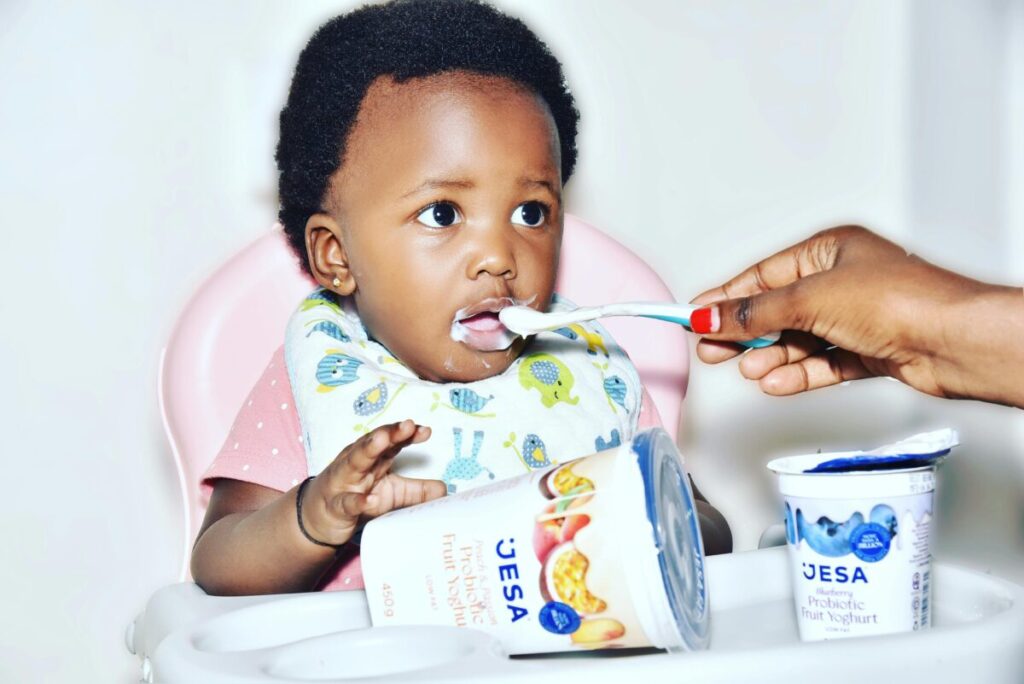
I remember one Tuesday—I call it “The Great Sweet Potato Incident.” I had spent my entire morning steaming, peeling, and blending until my shoulders ached. I was convinced this was the meal. The big one. I sat down, loaded the spoon like a weapon, and started the noises. You know the ones. Those pathetic, high-pitched engine hums that make you question your dignity.
“Rrrrrrr-zoom! Here comes the airplane, buddy!”
I did loops. I did barrel rolls. I did a fifteen-minute interpretive dance with that plastic spoon. My baby just sat there, mouth locked tighter than a bank vault, watching me with a look of pure, unadulterated judgment. I was so frustrated I could taste it. I thought he was just being “difficult” or that he was baby refusing food suddenly just to spite me.
Then it hit me like a ton of bricks. He wasn’t being a jerk. He was just… full. I was basically trying to force-land a 747 in a closed, locked hangar. I was so caught up in my “home chef” pride that I completely ignored the actual signs baby is full. I wanted him to eat because I worked hard on it, not because he actually needed the calories. My ego was bigger than his stomach.
But wait… it gets better. Or worse. Depending on how much sleep you’ve had. Just when I thought I had him figured out, he’d give me one of those “maybe” looks, and I’d fall for it every single time, restarting the whole engine-revving routine like a glutton for punishment.
The Midnight Hunger Anxiety (And the Fear of Being Up All Night)
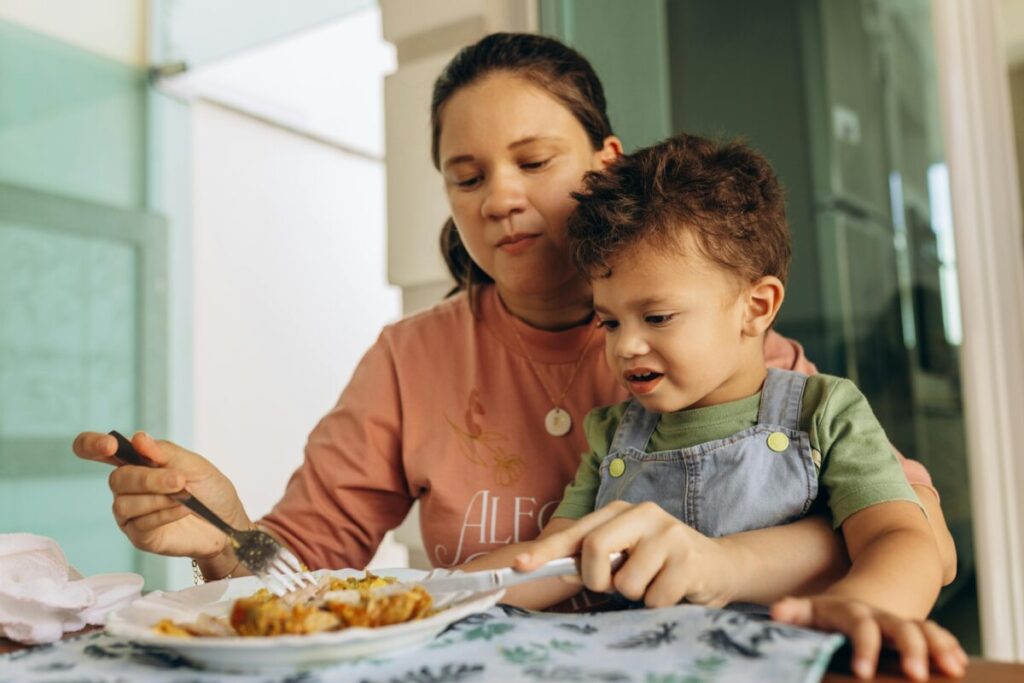

Why do we do this? Why do we turn the high chair into a battlefield? For me, it was the classic, soul-crushing “Midnight Hunger Anxiety.”
I had this obsessive, terrifying thought looping in my brain like a broken record: If the bowl isn’t empty, I’m going to be awake and pacing this floor ten times tonight. I equated an empty bowl with a golden ticket to a full night’s sleep. I honestly thought that if I could just shove two more tablespoons of mush into his face, I might actually get four hours of consecutive rest.
But wait, let’s look at the logic there. Since when has a baby ever followed a “calories in, sleep out” spreadsheet? Never. This fear—this sheer, sleep-deprived panic—is what leads so many of us down the dangerous path of the “just one more bite” rule. But here’s the cold, hard truth you need to hear: force feeding baby consequences are real, and they aren’t worth that extra ounce of puree. When we override their internal “stop” button, we aren’t helping them sleep; we’re basically teaching them to ignore their own bodies’ signals.
I used to think signs baby is full were just polite suggestions. They aren’t. They are hard boundaries. And once I stopped viewing a half-full bowl as a personal insult or a sleep-deprivation death sentence, everything got a lot quieter.
Decoding the High Chair “No” Body Language
Babies are actually surprisingly loud communicators; they just don’t use words yet. They use what I like to call “The Windshield Wiper” and “The Locked Vault.” If you’re looking for signs baby is full, you need to stop staring at the bowl and start watching their body.
- The Dramatic Head Turn: This is the universal “no, thank you.” If you move the spoon left, they pivot right. It’s like a synchronized dance where you’re the only one losing and getting frustrated.
- The Locked Vault: If their mouth looks like a thin, straight line and they refuse to budge even for the best “airplane” noises in the world, they are done. Period.
- The Hand Swat: This is the most aggressive of the signs baby is full. It usually results in you wearing the food on your face. It’s an effective, albeit very messy, boundary.
- The Windshield Wiper: Are they just pushing food back and forth on the tray without actually putting it in their mouth? Yeah, they’re just playing now. The hunger has officially left the building.
But wait, before you think your baby is a genius manipulator—they aren’t. Sometimes it feels like a baby refusing food suddenly is a personal strike against your parenting, but usually, it’s just their tiny way of saying, “I’ve had enough, Mom, and I’d like to go back to chewing on my own toes now, please.”
Breaking Up with the “Clean Plate Club”
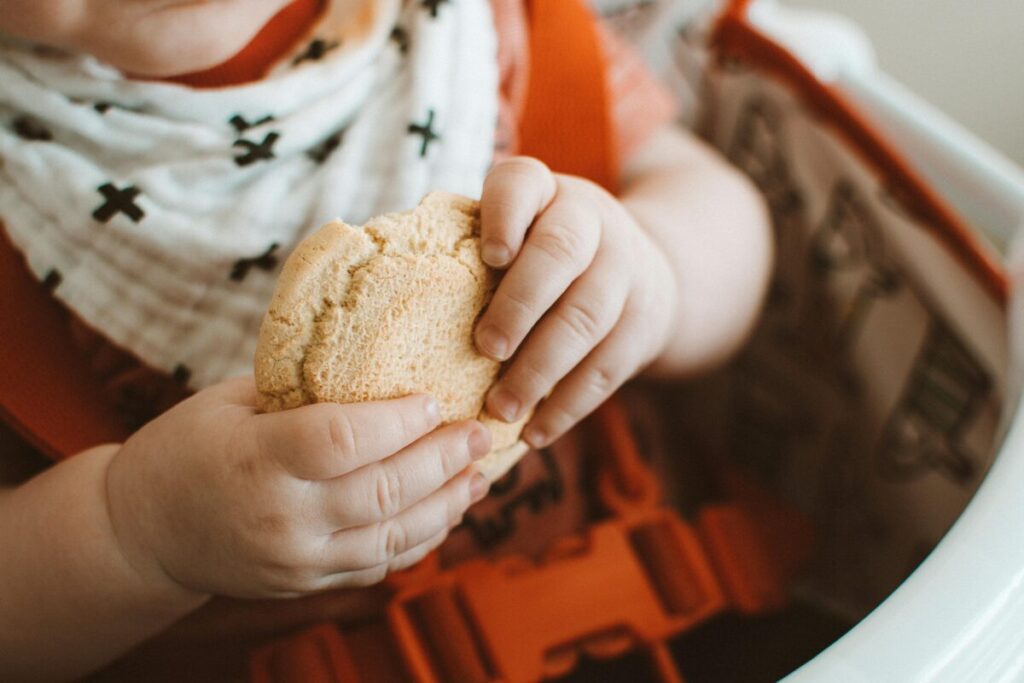
Most of us were raised in the “Clean Plate Club.” Our parents told us about starving children in other countries, or we weren’t allowed to leave the table until the soggy broccoli was gone. We’ve carried that weird trauma right into our own nurseries.
But responsive feeding solids is the exact, 100% opposite of that. It’s about letting go of the control you think you have. It’s about realizing that your baby is probably the only person on the planet who knows exactly how much room is left in their stomach.
If you find yourself spiraling because the bowl is still half-full of expensive organic mush, just take a breath. signs baby is full are a gift, not a failure. They mean your baby’s internal self-regulation is working perfectly. When we ignore those and keep pushing, the force feeding baby consequences can include a lifelong struggle with overeating or a deep-seated pickiness because mealtime has become a source of massive stress rather than nourishment.
Mom-to-Mom Reality Check: The 2-Hour Heartbreak
Let’s talk about the effort for a second. I know. I really know. You spent your only precious nap time of the day steaming organic carrots. You washed that annoying blender three times. You picked out the “cute” bowl to make it look special. And then, in two seconds, they swatted it away like it was trash.
But wait, don’t cry yet. It feels like a heartbreak. It feels like they are rejecting you and your hard work.
But they aren’t. They’re just rejecting carrots. Learning to respect that “no” was the hardest, most ego-bruising part of my first year of motherhood. It felt like my pride was being crushed by a 15-pound human in a bib. But once I realized that responsive feeding solids was about building trust, not about my success as a five-star home chef, the pressure just… lifted. My floor ate more than my kid that day, and honestly? That’s just life.
Is it Fullness or Just “I’m Over It” Boredom?

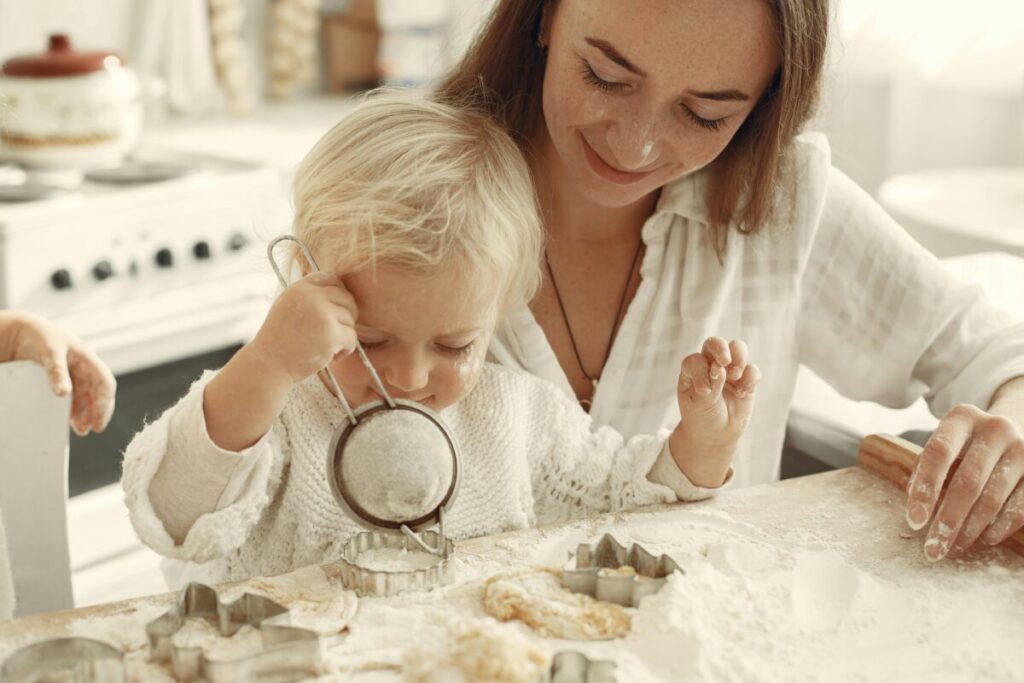
This is where it gets super tricky. Sometimes a baby refusing food suddenly isn’t actually full; they’re just bored or totally distracted by the cat.
But wait, how can you tell the difference before you give up?
- Check the Chaos: Is the TV on? Is the dog barking at the mailman? Are you frantically checking your phone? If the environment is a circus, they might stop eating just to watch the show.
- The “Reset” Trick: Sometimes I’d take him out of the chair, let him wiggle on the floor for a minute, and then offer one more time. If he still showed signs baby is full, I called it. No hard feelings.
- Texture Fatigue: Sometimes they aren’t full; they’re just bored of that specific, bland mush.
But as a general, sanity-saving rule: if they are swatting, crying, or turning away like you’re offering them poison, trust them. It is always, always better to end the meal five minutes too early than one minute too late.
The Long-Term Stakes: Why We Need to Step Back
I can’t stress this enough: the force feeding baby consequences go way beyond a messy kitchen and a grumpy afternoon. When we force that “one last bite,” we are literally teaching our kids that their own feelings of fullness don’t matter. We are teaching them that someone else is the boss of their body.
Practicing responsive feeding solids means you provide the what and the when, but the baby—the tiny, messy human—provides the how much. It’s a partnership. If you want a toddler who actually enjoys trying new things later on, you have to start now by showing them that you won’t force them into things their body isn’t ready for.
Practical Tips for Staying Sane (And Not Throwing the Spoon)
If you’re struggling with this daily high chair power struggle, try these:
- Mirroring: Sit with them and eat your own (hopefully not stone-cold) lunch. When they see you eating, they feel less like they’re being watched by a hawk.
- Keep the Portions Laughably Tiny: Don’t fill the bowl to the brim. It makes you feel like more is “wasted” when they stop. Start with two spoonfuls.
- Watch for the “I’m Done” Ritual: My son would start rubbing his eyes and making a very specific, low grunting noise. Once I recognized that as one of his signs baby is full, I stopped the “airplane” routine immediately.
- Trust the Weekly Totals: Look at what they eat over an entire week, not just one disastrous Tuesday. Some days they eat like a teenage athlete; other days they live on air, spite, and one singular pea. It’s normal.
Hungry for More? (Related Reading)
If you found this guide helpful (or at least felt less alone in your messy kitchen), you might want to dive into these next:
- Looking for a fresh start? Check out my [Real-Mom Guide to Starting Solids] to see if your baby is truly ready for the high chair.
- Is the “No” becoming a habit? If you’re stuck in a standoff, here are [5 Proven Tricks for when your 7-Month-Old Refuses Solids].
- Ready for the next big step? Learn how to tackle the scary stuff with my [Fearless Guide to Introducing the Top 8 Allergens].
Final Thoughts from the Messy Trenches
If you’re currently looking at a full bowl and a stubborn, tight-lipped baby, I want you to know you’re doing a great job. The guilt is real, but it’s totally misplaced. You aren’t failing because they didn’t finish their sweet potatoes. You are actually succeeding because you are listening to them.
Recognizing the signs baby is full is a massive act of love. It’s an act of respect. It’s saying, “I hear you, and I trust you.”
But wait, before you go—seriously, put the spoon down. Wipe the dried kale off your arm. If your baby refusing food suddenly was the highlight of your lunch, take comfort in the fact that you just avoided a major power struggle that nobody would have won. The force feeding baby consequences aren’t worth the gray hairs, and your baby is going to be just fine.
Now, go reheat that coffee. For the seventh time. You’ve definitely earned it. 🚀✨
Disclaimer: I’m a mom, not a medical professional, and definitely not a baby-whisperer (though I try my best). This post is based on my own high-chair battles and extensive “middle-of-the-night” research. Every baby has their own personality and pace. Please consult with your pediatrician or a feeding specialist regarding your baby’s specific nutritional needs, growth, or any concerns about feeding behaviors. Trust your gut, but always follow professional medical advice first!