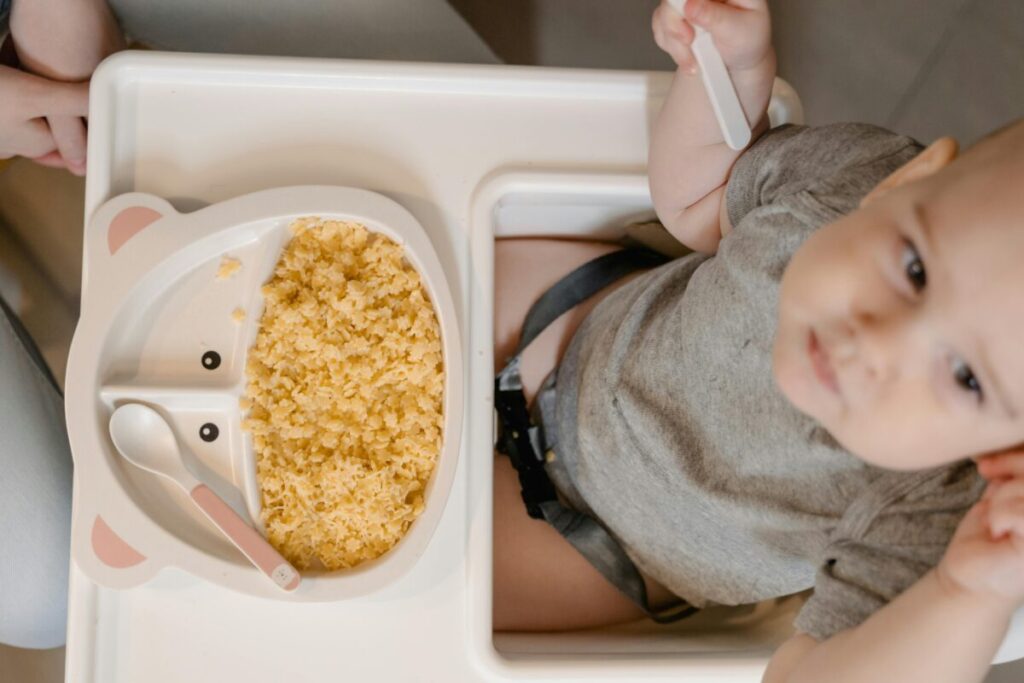
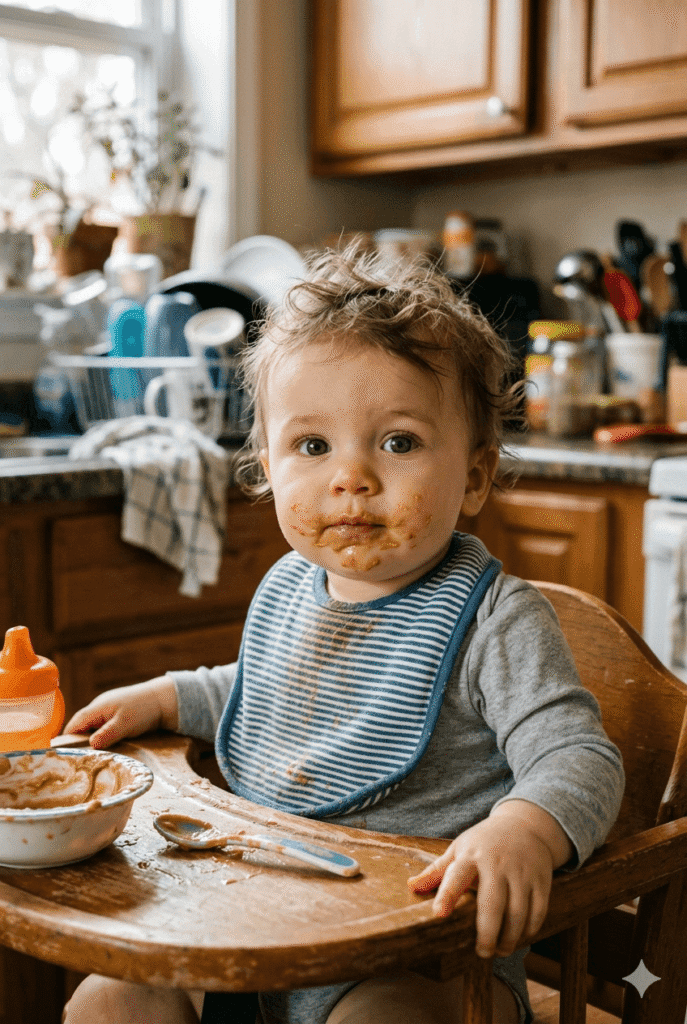
11 months is such a weird in-between stage. You’ve made it through almost a full year of late-night feedings, the “flying spaghetti incident” of last Tuesday, and more diaper changes than you’d care to count. But suddenly, that big “ONE” is getting close, and you start overthinking everything. You’re likely wondering if your 11 month old feeding routine is actually preparing them for toddlerhood or if just figuring it out as you go (honestly, we all are — coffee just helps).
I remember around this stage, I kept second-guessing everything—how much he was eating, whether I should drop a bottle, if I was doing it “right.” It felt a little chaotic, to be honest.
At this stage, your baby is basically a tiny, picky food critic who occasionally tries to eat the dog’s tail. Getting them to eat actual table food while also making sure they’re eating enough? Yeah… it can get confusing fast. One minute you think you’ve got it figured out, the next they’re refusing everything you made. If you’re stressing about dropping that midday bottle or wondering why they suddenly act like broccoli personally offended them, you’re not alone. Honestly, this stage feels messy for a lot of us—and that’s completely normal.
Key Takeaways for This Stage
- Milk is slowly becoming less important, and solids are starting to take over, though breast milk or formula still provides essential nutrients.
- Table food is king: By 11 months, your baby should be eating (mostly) what you eat, just chopped into safe, manageable pieces.
- One important thing: Focus on iron-rich foods for toddlers to support brain development and prevent the dreaded “sleep regressions” caused by hunger.
- Consistency really helps with sleep: A predictable 11 month old feeding routine is the secret sauce to getting those glorious full nights of sleep.
The Big Shift: Why Your 11 Month Old Feeding Routine is Changing

Around 11 months, it kind of feels like you’re getting ready for the toddler stage. Up until now, milk has been the star of the show. But now? We’re looking for a lead actor swap. Your baby’s stomach is getting bigger, their curiosity is all over the place, and they’ve probably figured out that tiny “pincer grasp”—which basically means they can pick up one single pea… and somehow launch it across the room with impressive accuracy.
The goal now is to establish an 11 month old feeding routine that mimics a “normal” human schedule. We’re talking three solid meals a day and two snacks. We want them to start associating “hunger” with “table food” rather than just waiting for a bottle. I’ve been there at 2 AM, covered in mashed sweet potatoes, wondering if they’ll ever eat a sandwich like a normal person. The answer is yes, but the transition starts now.
If you’re feeling overwhelmed by all these changes, don’t worry. You can also check out my deep dive into The 8 to 12 Month Transition: How to Balance Solids, Milk, and Naps Without the Chaos for even more tips on managing this specific age gap.
Iron, Fat, and Calories: The 3 things to focus on

Here’s the thing: as babies become more active (crawling, cruising, or the dreaded “toddler sprint”), they suddenly need a lot more calories. If your 11-month-old is constantly on the move and treat your furniture like a gym, you might want to check out my survival guide on [The “Cruising” Stage: Why Your Baby is Using Your Sofa as a Treadmill (And How to Survive It)] to see how this physical milestone connects to their massive appetite. If they aren’t getting enough high-calorie baby meals during the day—which is essential according to WHO guidelines on infant nutrition—guess what? They’ll try to make up for those calories at 3:00 AM.
When planning your 11 month old feeding routine, focus on these three pillars:
- Healthy Fats: Avocado, nut butters (thinned out), and full-fat Greek yogurt are your best friends. Fat is essential for brain growth.
- Iron-Rich Foods: By 11 months, their natural iron stores are depleted. Think lentils, shredded beef, spinach-egg bites, or iron-fortified cereals.
- Complex Carbs: Sweet potatoes, quinoa, and whole-grain pasta keep them full longer.
If they seem uninterested in “solid” solids, don’t panic. It takes time, and that’s completely okay. Just keep offering. One day they’ll treat a blueberry like poison, and the next, they’ll act like it’s a Michelin-star delicacy.
If you’re specifically worried about your little one hitting their growth milestones, you might find my guide on Baby Weight Gain 101: Healthy Ways to Help Your Little One Grow super helpful. It goes even deeper into which nutrient-dense foods actually make a difference.
The Sample 11 Month Old Feeding Routine (The “Stay Sane” Schedule)

No two babies follow the exact same routine, and honestly, sometimes your 11 month old feeding routine can feel like a complete mess—random naps, half-eaten snacks, crackers everywhere. That’s okay. You’re not doing anything wrong. But if you’re looking for a bit of structure (something to loosely follow, not stress over), here’s a simple 11 month old feeding routine that helps balance milk and table food.
- 7:00 AM: Wake up and Breast milk or Formula (6–8 oz).
- 8:30 AM: Breakfast. (e.g., Scrambled eggs with cheese and a side of smashed berries).
- 10:30 AM: Morning Nap.
- 12:30 PM: Lunch. (e.g., Shredded chicken, steamed carrots, and some hummus on toast).
- 2:30 PM: Midday milk or a small snack with water. (This is when many parents start dropping the midday bottle in favor of a cup).
- 3:00 PM: Afternoon Nap.
- 5:30 PM: Dinner. (e.g., Ground beef “taco” meat, mashed avocado, and soft-cooked beans).
- 7:00 PM: Bedtime milk (6–8 oz) and ZZZs.
If you look at this, you’ll see a pattern. We are spacing out the milk from the meals. We want them to arrive at the high-chair feeling hungry, but not “hangry.” A hungry 11-month-old can get very upset, very fast — and no amount of singing “Baby Shark” will fix it.
Now, if looking at that schedule makes you wonder how you’ll ever find the time to cook all those meals, I’ve got you covered. Check out my guide on Baby Food Meal Prep 101: How to Prep a Week of Nutritious Meals in 60 Minutes. It’s a total game-changer for busy mamas who want to keep things healthy without living in the kitchen.
Transitioning to Table Foods: No More Mush (Mostly)

If you’re still in the puree phase, this is usually when things start shifting toward more texture. I remember when my little one turned 12 months, and honestly… it didn’t suddenly get easier like I thought it would.
If you’re looking for practical, nutritious recipes that make this texture transition easy and stress-free, check out my Lunchtime Power Mash: The Ultimate Guide to Nutritious Baby Meals (6–12 Months). It’s full of ideas that move beyond the mush and help your baby get comfortable with new textures.
your 11 month old feeding routine should transition away from spoons and toward finger foods. This isn’t just about nutrition; it’s about jaw development and speech.
- Texture matters a lot here: Instead of blending, try mashing with a fork.
- Seasoning is okay: Skip the salt and sugar, but feel free to add garlic, cumin, or cinnamon. Let them explore flavors!
- The Cup Factor: If you haven’t started yet, introduce a straw cup or an open cup with water during meals. This helps with the transition away from bottles after the first birthday.
I remember the first time I gave my little one a soft piece of salmon. I watched him like a hawk, convinced he’d choke. But babies are smarter than we give them credit for. As long as it’s soft enough to squish between your thumb and forefinger, they’ve got this.
The Secret Link: How Feeding Routines Impact Sleep

Now let’s talk about sleep — because we all want more of it. You might have heard that stuffing a baby with cereal before bed makes them sleep better. (Spoiler alert: it doesn’t, and it’s a choking hazard).
But a solid 11 month old feeding routine really does affect sleep. If your baby is grazing all day—taking two ounces of milk here and a puff there—they never truly get full. Their blood sugar spikes and dips like a roller coaster. By focusing on “full meals” with protein and fat, you’re stabilizing their energy.
If your baby is still waking up multiple times to nurse or take a bottle, they might be using it for comfort, or they truly didn’t get enough calories during the sunlit hours. By beefing up (pun intended) their dinner with high-calorie baby meals, you’re giving their body the fuel it needs to power through a 10–12 hour stretch of sleep.
FAQs: Your 11 Month Old Feeding Routine Questions Answered
Q: How much milk should an 11 month old drink?
A: Typically, between 16 and 24 ounces a day. Following the official CDC guidelines on infant feeding ensures they get enough nutrition without being too full for iron-rich solids. If they’re drinking more than 30 ounces, they might start rejecting table foods. 16 and 24 ounces a day. The American Academy of Pediatrics (AAP) recommends staying within this range to avoid iron deficiency. If they’re drinking 30+ ounces, they’ll likely be too full to eat their iron-rich solids.-rich solids.
Q: Can I give my baby cow’s milk yet?
A: Not quite. Wait until the 12-month mark. Their kidneys and digestive systems aren’t quite ready for the protein load in cow’s milk yet. Stick to breast milk or formula for now.
Q: My baby is rejecting the spoon! What do I do?
A: Let them! Many 11-month-olds are fiercely independent. Give them the spoon and let them try, or just put the food directly on the tray. Yes, it will end up in their hair. Yes, you will find a pea in your shoe later. If they love playing with their food and getting tactile, you can channel that independent energy into some clean fun with 5 Sensory Play Ideas That Won’t Ruin Your Carpet (And 1 That Will, But It’s Worth It) during non-meal times!
Q: How do I handle the transition to the one-year milestone?
A: Don’t stress the “magic” of the 365th day. Your baby won’t suddenly change overnight. Continue the 11 month old feeding routine and slowly swap formula for whole milk (or continue breastfeeding) over a week or two once they turn one.
Final Thoughts
Your 11 month old feeding routine is about more than just vitamins and minerals. It’s about teaching your little human how to enjoy food, how to sit at the table with family, and how to eventually feed themselves (without using the walls as a canvas).
If today was a day of “food strikes” and floor-cleaning, don’t sweat it. Tomorrow might go completely differently — maybe they’ll even eat that piece of chicken. Keep the high-calorie baby meals coming, stay consistent with the schedule, and remember: you know your baby better than anyone else.
Now, go reheat that coffee for the fourth time. You’ve earned it.
Warmly,
The Tiny Caregiver
Founder of Tiny Care Tips
P.S. Struggling with the bottle-to-cup swap? Check out my [Contact Us] page and let me know what’s on your mind—I’d love to help you navigate this transition!
Getting ready for the next big milestone? Check out my guide on The Ultimate 12-Month-Old Feeding Routine: Saying Goodbye to Bottles and Hello to Toddlerhood to stay ahead of the game!
Disclaimer
Just a quick note: this article is based on personal experience and general guidance, not medical advice. Every baby is different, so if you’re worried about your little one’s growth or feeding, it’s always best to check with your pediatrician.