By a mom who learned the hard way — and lived to write about it.
I still remember one summer morning when my firstborn was about three months old. It was already hot before breakfast — the kind of heat that hits you the second you open the front door, making me worry about how to keep baby hydrated in summer. I was feeling oddly confident that day. I’d packed the diaper bag, loaded up the stroller, grabbed an iced coffee, and headed to the farmers’ market thinking we were beating the heat by getting there before 11.
We weren’t.
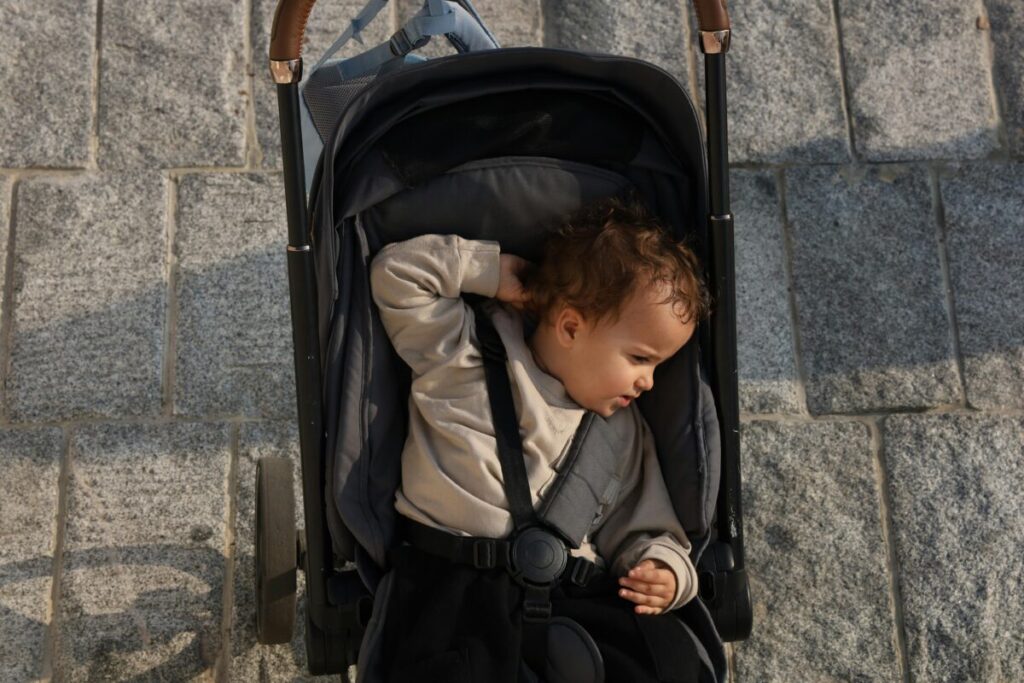
About halfway through, I looked down and saw Mia’s cheeks were bright red. Little curls of hair were stuck to her forehead, and she was making that tired, uncomfortable whimper that every parent instantly recognizes. Not a full cry. Somehow worse. The kind that makes your stomach drop because you know something isn’t right.
Then an older woman walking past peeked into the stroller and said, “Oh sweetheart, she looks warm.”
Warm. Right.
I laughed awkwardly, but the second she walked away, my mind went into overdrive. Was she overheating? Had she eaten enough before we left? Was I missing the subtle signs of dehydration in babies? Should we have stayed home? I remember standing there in the middle of the market, sweat running down my back, suddenly feeling like every other parent had received an instruction manual that I somehow missed.
Nobody tells you how much mental energy goes into figuring out how to keep your baby hydrated in summer. You’re already sleep-deprived, running on cold coffee, and suddenly the season changes and a whole new layer of worry lands in your lap.
So let’s talk about it. Not in a clinical, textbook way — but the way your best mom-friend would explain it over iced tea on the porch, having already been through it herself.
Table of Contents
First Things First: Understanding What Your Baby Actually Needs


Before we dive into tips and tricks, I want to take a breath and say this: your instincts matter. You know your baby. But it also helps to understand the basics of infant hydration, because some of the guidance out there is genuinely confusing — and some of it is outdated.
When Can Babies Have Water? (This One Surprised Me)
Here’s something I got completely wrong with my first baby: I assumed that if I needed more water in the heat, so did she. Makes sense, right?
Not quite.
For babies under 6 months, breast milk or formula IS their water. Full stop. The American Academy of Pediatrics is clear on this: you should not give plain water to babies younger than 6 months, even on hot days. Breast milk is about 80% water and adjusts to meet your baby’s needs — your body is literally already doing the work. Formula-fed babies get all the hydration they need from properly prepared formula.
Giving water too early can actually be dangerous. It can interfere with nutrient absorption, cause electrolyte imbalances, and in severe cases lead to something called water intoxication — where sodium levels in the blood drop dangerously low. That’s rare, but the risk is real.
Once your baby hits 6 months and starts solid foods, small sips of water (think 2–4 oz a day) can be introduced alongside meals. Think of it as helping them get used to water, not a major hydration source. Breast milk and formula remain the primary drinks through the first year.
So when people ask me “when can babies have water?” — the honest answer is: not as a hydration tool until after 6 months, and even then, in moderation.
Safe Summer Hydration Tips for Infants
Knowing the rules is one thing. Actually doing it on a 95-degree afternoon with a fussy, sweaty baby is another. Before we dive into my specific tips, if you want a complete roadmap for the season, check out my Summer Safety Guide for Babies: A Real-Mom’s Guide to Keeping Cool to ensure you have everything covered.
Knowing the rules is one thing. Actually doing it on a 95-degree afternoon with a fussy, sweaty baby is another. Here’s what genuinely helped me get through those first summers.
Feed More Frequently, Not More Per Session
In the heat, babies often want to feed differently. They may nurse or take a bottle more frequently, but for shorter periods of time. It can feel frustrating when you’ve finally settled into a routine and suddenly everything changes, but honestly, it’s usually just your baby responding to the weather. More frequent feeds help them stay hydrated, and most of the time the routine finds its way back once the heat passes.
I learned this the hard way one sweltering afternoon. The house felt sticky, the fans were working overtime, and Mia wanted absolutely nothing to do with nursing. She’d latch for a few seconds, pull away, fuss, then try again. We repeated that dance over and over. By the end of it, both of us were sweaty, tired, and close to tears. In that panicked moment, I found myself googling ‘when can babies have water,’ desperately hoping there was an easier fix. I felt ridiculous for not thinking of it sooner, but honestly, nobody had ever mentioned that nursing skin-to-skin in the middle of a heat wave can feel uncomfortable for a baby too.
I remember sitting there thinking, “Why won’t she just eat?”
It never crossed my mind that she might simply be uncomfortable.
Later, almost by accident, I draped a lightweight cotton cloth between us and turned a small fan toward the corner of the room. Within minutes she relaxed, settled in, and finally had a proper feed. I felt ridiculous for not thinking of it sooner, but honestly, nobody had ever mentioned that nursing skin-to-skin in the middle of a heat wave can feel uncomfortable for a baby too.
Sometimes they aren’t refusing the milk. Sometimes they’re just hot.
Dress Baby for Success (Theirs, Not the Onesie)
Loose, lightweight, breathable clothing in light colors makes a real difference. Natural fibers like cotton help with airflow. I was guilty of keeping my son in the same thick onesies we used in spring — until I realized he was basically wearing a tiny little sauna suit. Learning to dress him properly was one of the most effective safe summer hydration tips for infants that I ever picked up.
Skip the cute but heavy layers. A single lightweight onesie, or even just a diaper with a muslin wrap on standby, is often plenty indoors or in the shade.
Time Your Outings Strategically
The sun is most intense between 10 a.m. and 4 p.m. If you have flexibility, early morning walks (before 9 a.m.) and late afternoon outings (after 5 p.m.) are so much gentler on little ones. I started treating the midday hours the way people in Mediterranean countries do — as a time to stay inside, keep it cool, and rest.
When you do go out, use a stroller with a canopy, wear baby in a carrier with a breathable mesh panel, or find shade wherever possible. Sunscreen for babies under 6 months isn’t recommended broadly, so shade and clothing are your best tools for preventing those signs of dehydration in babies that we all worry about while out in the heat.
Keep Indoor Spaces Cool, Not Cold
Air conditioning is a gift in summer, but blasting it to arctic temperatures can actually stress a baby’s system too — going from scorching hot to extremely cold and back again isn’t ideal. Aim for a comfortable room temperature around 68–72°F (20–22°C). A small fan for air circulation can help a lot without the dramatic temperature swings.
If you don’t have AC and it’s genuinely dangerously hot, air-conditioned public spaces — libraries, malls, community centers — are worth seeking out. Your baby’s comfort is worth the field trip.
For Breastfeeding Moms: You Also Need to Hydrate
This one feels obvious but is easy to forget when you’re focused entirely on the baby. If you’re nursing, your hydration directly affects your milk supply. I kept a giant water bottle next to every nursing spot in the house — by the couch, by the bed, in the kitchen. Drink before you feel thirsty. Coconut water, electrolyte drinks (low sugar), and water-rich foods like cucumber and watermelon can all help.
Warning Signs: Recognizing Dehydration in Babies
This is the part I want you to read slowly, maybe even screenshot or bookmark. Because knowing the signs of dehydration in babies can genuinely make a difference in how quickly you respond.
Babies can’t tell you they’re thirsty. They can’t say “I feel off today.” So we have to be their interpreters — and the signs aren’t always dramatic.
How to Keep Your Baby Hydrated in Summer: The Diaper Count Rule
This is the easiest thing to monitor, and pediatricians will always ask about it. A well-hydrated baby should have at least 6 wet diapers in 24 hours. If you’re noticing fewer than that — especially if it drops to 3 or 4, or the urine looks dark yellow instead of pale straw-colored — that’s a flag worth paying attention to.
Track it for a day if you’re unsure. It sounds tedious, but honestly, it gives you real information fast.
Dry Mouth and Fewer Tears
When a baby cries without tears (after about 2–3 months of age, when tear ducts are fully functioning), that can signal dehydration. Similarly, if the inside of their mouth or lips looks dry or sticky instead of moist, that’s worth noting.
A healthy baby’s mouth should look wet and glistening. Dry, tacky-looking mucous membranes are a quiet but meaningful sign.
The Skin Turgor Test: Recognizing Signs of Dehydration in Babies
This one sounds scarier than it is. Gently pinch a small fold of skin on your baby’s tummy or the back of their hand and release it. In a well-hydrated baby, the skin springs back immediately. If it stays “tented” — holding that pinched shape for a moment before slowly returning — that can indicate dehydration.
This test isn’t foolproof on its own, but paired with other signs, it’s useful information to report to your pediatrician.
Sunken Fontanelle
Babies have a soft spot on the top of their head called the fontanelle. When a baby is well-hydrated, this area is either flat or slightly raised and pulsing. A sunken or noticeably concave fontanelle is a more serious sign of dehydration and should prompt a call to your doctor right away.
Lethargy and Unusual Behavior
Every baby has off days. But if your baby seems unusually listless, hard to wake, not interested in feeding, or just ‘not themselves’ in a persistent way during a hot stretch — especially when combined with any of the other signs of dehydration in babies we’ve talked about — trust your gut and call your pediatrician.
Dehydration in infants can move faster than in adults because their bodies are smaller and their systems less resilient. When in doubt, call. Good pediatricians would rather hear from a cautious parent than miss something.
Troubleshooting: How to Keep Baby Hydrated in Summer When They Refuse to Feed
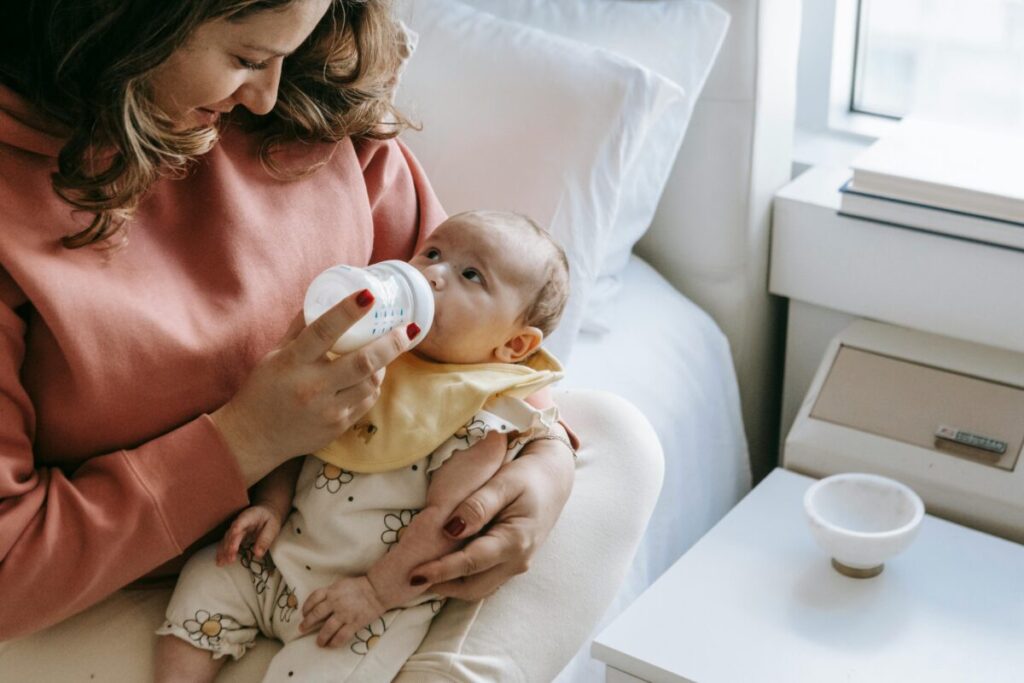

There was a three-day heat wave when Mia was about five months old, and she basically went on a bottle strike. At that point, I was still learning how to keep my baby hydrated in summer, so I’d take two ounces, push it away, fuss, then fuss some more. I tried warming it, not warming it, different positions, different rooms.
I was convinced something was medically wrong. Then my sister — mom of three, absolutely unflappable — came over, put the bottle in a bowl of cool water for a few minutes, and handed it back. Mia drank the whole thing in four minutes flat. Room temperature formula in July feels warm. Slightly cool formula feels like relief. Simple as that, and yet it took me three days and a minor breakdown to figure it out.
A warm, uncomfortable baby is often a fussy, uncooperative one. Here are a few things that can help when feeding becomes a battle in the heat:
Try feeding in a cooler room. If the nursery is stuffy and the living room has the AC, nurse there. Comfort matters for both of you.
Skin-to-skin, but strategically. Skin-to-skin contact is wonderful for bonding and milk supply — but in the heat, both of you can overheat quickly. A light muslin blanket between you, or just a cool damp cloth nearby to use after, can help keep things manageable.
Offer the breast or bottle more proactively. In hot weather, I started not waiting for hunger cues and instead offering a feed earlier. A baby who’s already overheated and cranky is much harder to feed than one who’s just beginning to feel hungry.
Check bottle temperature. Some babies are particular. Formula that’s room temperature in winter might feel too warm in summer. Try offering it slightly cooler than usual and see if that helps.
For older babies on solids (6+ months): For older babies on solids (6+ months): Foods with high water content — pureed cucumber, watermelon, or even just very well-hydrated mashed foods — can provide some additional hydration alongside regular milk feeds. (Remember, this is different from offering plain water, which you can read more about in my guide on when can babies have water). Frozen fruit puree ‘popsicles’ in a mesh feeder can also be both soothing and hydrating.
When can babies start drinking water?
Babies under 6 months should not be given plain water, as breast milk or formula provides all necessary hydration. Once your baby starts solids at 6 months, you can introduce small amounts of water (2–4 oz per day) as a learning experience, but it should not replace milk feeds.
What are the signs of dehydration in babies?
Key signs include fewer than 6 wet diapers in 24 hours, dark-colored urine, a dry or sticky mouth, lack of tears when crying, a sunken soft spot (fontanelle) on the head, and unusual lethargy or difficulty waking. If you notice these, contact your pediatrician immediately.
How can I keep my baby hydrated during a heat wave?
Offer breast milk or formula more frequently, even if for shorter durations. Keep your baby in loose, breathable cotton clothing, stay in the shade or air-conditioned spaces during peak heat (10 a.m. – 4 p.m.), and ensure you stay hydrated yourself if you are nursing.
Is it okay if my baby refuses to feed in hot weather?
It is common for babies to be fussy in heat. Try feeding in a cooler, quiet room, use skin-to-skin contact with a muslin cloth between you to prevent overheating, or offer slightly cooler formula (if bottle-fed). If your baby persistently refuses feeds or shows signs of dehydration, consult your doctor.
Recommended Reading for You
Being a parent is a journey, and you don’t have to figure it all out at once. If you’re looking for more support, here are a few resources that might help:
- For the busy days: Easy 6-Month-Old Baby Feeding Schedule: A Stress-Free Guide to Starting Solids
- For the moments when you’re overwhelmed: The Mom Burnout Survival Kit: How to Handle Overstimulation When You Have Nothing Left to Give
- For the nap-time battles: The Overtired Trap: How to Spot Sleep Cues Before the Meltdown Happens
You’re Doing Better Than You Think
Before you close this tab and go back to whatever your baby is currently demanding, I want to leave you with one thought:
The fact that you’re here, reading about hydration and counting wet diapers and wondering if you’re doing enough? That already tells me a lot about the kind of parent you are.
I’ve been there too. What I learned is that babies don’t need perfect parents; they need attentive ones who know where to find safe summer hydration tips for infants when things get overwhelming. They need parents who notice when something feels off, who ask questions, and who care enough to look things up at midnight while holding a sleeping baby.
I’ve been there too.
What I learned is that babies don’t need perfect parents. They need attentive ones. Parents who notice when something feels off. Parents who ask questions. Parents who care enough to look things up at midnight while holding a sleeping baby.
So keep offering feeds, keep an eye on the signs of dehydration, try to stay out of the worst of the heat, and trust yourself a little more than you probably do right now.
And when your baby is finally asleep in a cool room, their cheeks no longer flushed, their tiny chest rising and falling peacefully, take a moment for yourself too. Pour a glass of cold water. Sit down for a minute. You’ve earned it.
Summer with a baby can feel overwhelming, but you’re doing better than you think.
You’ve got this.
Always consult your pediatrician for personalized medical advice for your baby. This post is for informational purposes and reflects one mom’s experience — your healthcare provider is your best resource for your specific situation.