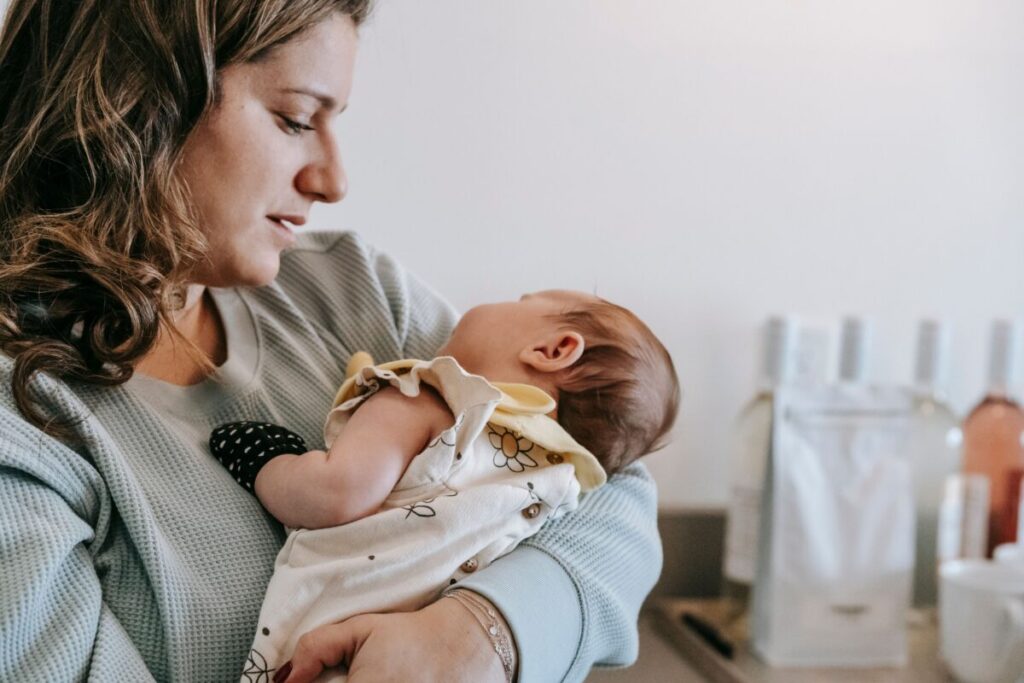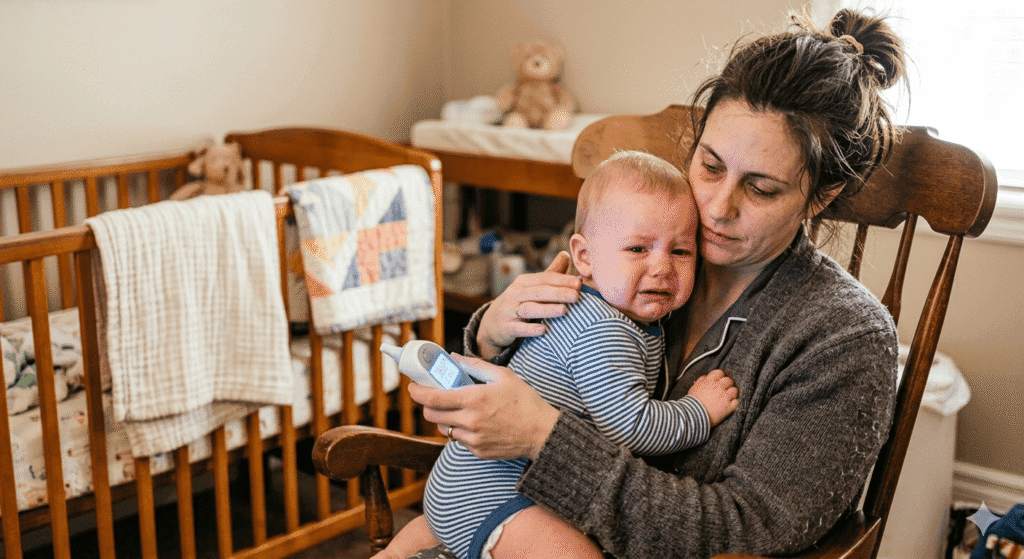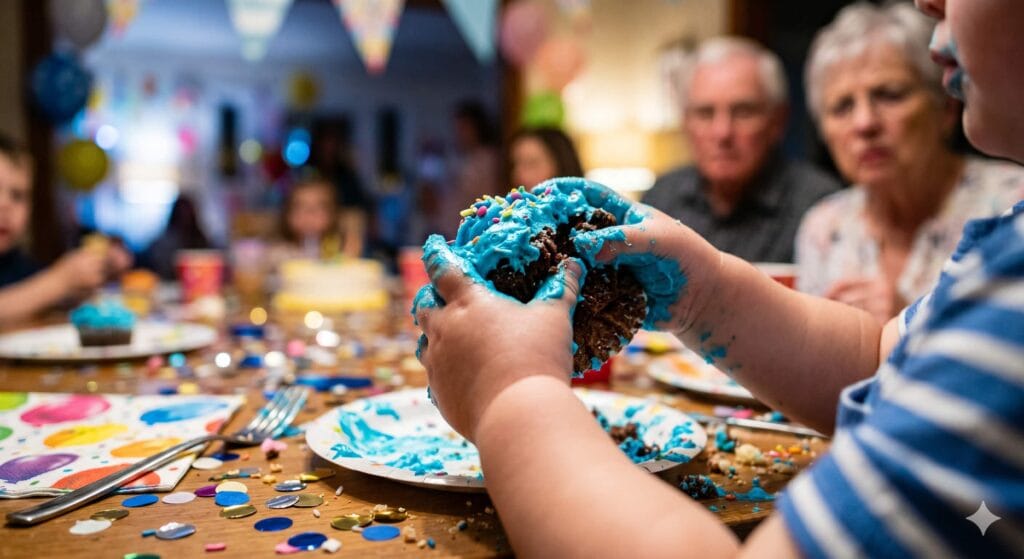
Let’s be real for a second—motherhood in the digital age is a double-edged sword, and honestly, sometimes it feels like it’s pointing right at us. On one hand, we have all the information in the world at our fingertips. On the other, we have Instagram. You know exactly what I’m talking about. You’re scrolling through your feed, iced coffee in hand (that you’ve probably reheated three times and it still tastes like sadness), and you see a video of a 7-month-old practically mastering every one of the baby development milestones, while your little one is currently face-down on the play mat, fascinated by a stray piece of lint they found.
Suddenly, that familiar, nasty knot of baby milestone anxiety starts to tighten in your stomach. Should mine be sitting up by now? Why aren’t they crawling yet? Is that baby across the street already saying “Mama” while mine just blows raspberries at the cat? But here’s what I learned: social media is a big, fat highlight reel, and baby development milestones are not a race. They aren’t a standardized test.
They are a range—a wide, messy, often unpredictable range. I’ve spent way too many late nights staring at those clinical-looking infant growth charts, wondering if we were “on track,” and if there’s one thing I’ve learned, it’s that babies don’t read the manuals. They follow their own internal, sometimes chaotic clock.
So instead of overthinking all of it and the “perfect mom” pressure. In this guide, we’re just going to walk through the 6–12 month baby milestones together, covering everything from gross motor skills to those first magical (and sometimes accidental) words. And we’re doing it from the perspective of a mom who has lived it, cried over it, and finally learned to just breathe through it.
Months 6-7: The Foundation of Independence (and Mess)
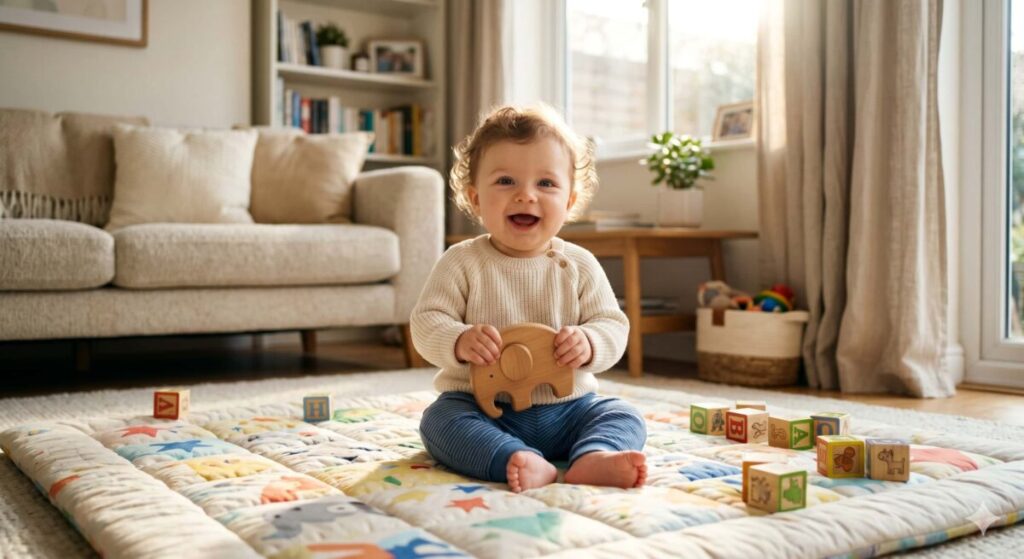
The six-month mark feels like someone flipped a switch. You’re likely starting solids—which is a whole other level of “oh my god, is he choking or just tasting?”—and your baby is starting to realize they aren’t just an extension of your body. This is where the physical baby development milestones really kick into high gear.
Sitting Up and Rolling Both Ways
By now, many babies are masters of the roll. They roll to get what they want, they roll to escape a diaper change (why is it like wrestling an alligator?), and they roll just because they can. But the “big one” everyone waits for is sitting up. Most babies start sitting with support around six months and finally transition to sitting independently by seven months.
This isn’t just about balance; it’s about pure core strength. Watching those gross motor skills come together in real time is kind of wild. They go from that awkward “tripod sitting” where they lean forward on their hands looking like a tiny gargoyle, to finally sitting tall and reaching for toys without a total wipeout.
The Legendary Babbling Phase
If your house suddenly sounds like a tiny, high-pitched alien colony, congratulations—you’ve reached the babbling stage! This is actually a massive leap in their social-emotional development and early language skills. You’ll hear a lot of ‘ba-ba,’ ‘da-da,’ and ‘ma-ma.’ And look, I’ll be the one to say it: they usually don’t mean you specifically just yet. They are just testing out their vocal cords as part of these exciting baby development milestones. But hey, take the ‘ma-ma’ win anyway!
I remember being so incredibly stressed when my little one hit 7 months. All the “expert” books said “babies should sit independently by now,” but mine just… wouldn’t. Every time I propped them up, they’d immediately dive-roll to the side because they were obsessed with a specific dust bunny under the couch. I spent an entire week convinced I had missed something crucial. Then, one Tuesday morning while I was folding laundry, they just sat up to reach for a toy and stayed there like it was the most natural thing in the world. I realized then that my baby wasn’t “behind”; they just had different priorities (mostly that dust bunny).
Months 8-9: The Great Exploration (Goodbye, Quiet Life)
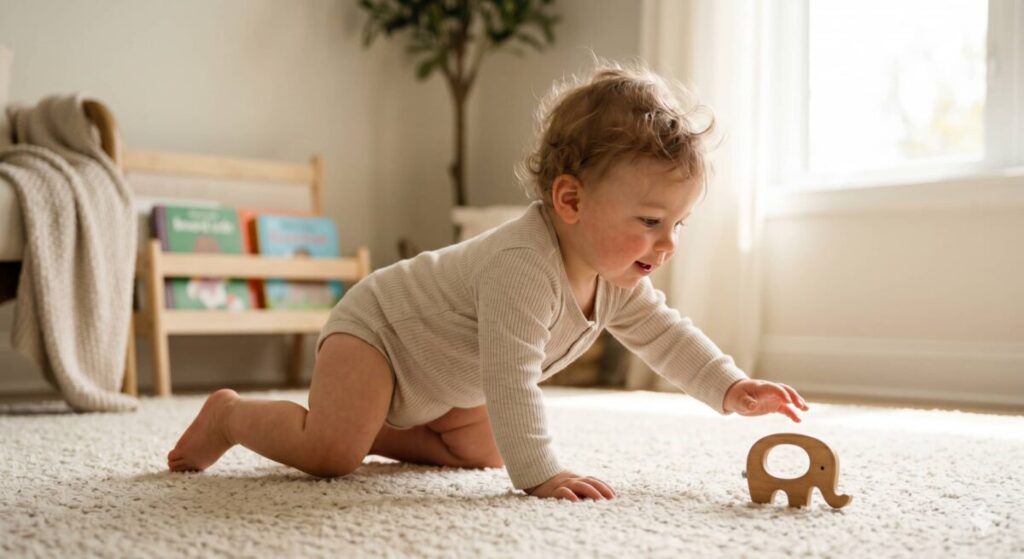
Get ready, mama, because this is usually when the “quiet” phase of motherhood officially ends and your cardio workout begins. Between 8 and 9 months, babies transition from being stationary observers to active, heat-seeking missiles.
The Many Styles of Crawling
Crawling is one of the most diverse and honestly hilarious crawling stages in baby development milestones. Some babies do the classic hands-and-knees crawl. Others do the “army crawl” where they look like they’re navigating a battlefield. Some even do a weird seated “scoot” or a “bear crawl” on all fours with their butt in the air.
And guess what? It all counts! Don’t let anyone tell you otherwise. The goal is self-initiated movement. These gross motor skills are just laying the groundwork for walking later on. If your baby is moving from point A to point B—even if they look like a broken robot doing it—they are winning.
Mastering the Pincer Grasp
While the big muscles are working on crawling, the tiny ones are busy too. This is where fine motor skills take center stage through the pincer grasp. This is that amazing ability to pick up small objects using just the thumb and forefinger.
You’ll notice this most at mealtime. Instead of raking food with their whole palm like a bear, they start picking up individual peas or tiny pieces of avocado with surgical precision. It’s a huge milestone for cognitive development because it requires insane hand-eye coordination. If you want to take this texture exploration to the next level but you’re terrified of the cleanup, check out my real-talk guide [Can Babies Eat Hummus? The Sticky, Messy, and Slightly Chaotic Truth] to see why this dip is a sensory powerhouse. It also means they can now find and pick up the tiniest, most dangerous things on your floor. Fun, right?
I’ll never forget the first day my baby became truly mobile. I turned my back for exactly thirty seconds to stir a pot of pasta, and when I looked down, they had ‘army crawled’ across the entire kitchen. They were currently trying to perform a deep-cleaning service on the dog’s water bowl—with their face. There was water everywhere, a very confused dog, and a baby who looked absolutely thrilled with their new-found freedom. That was the day I realized my ‘relaxing’ afternoons were officially over, all thanks to these fast-moving baby development milestones! It’s officially the end of an era and the start of a decade of chasing.
📚 Recommended Reading for New Moms:
- Next Steps in Feeding: If you’re navigating the messy world of solids, don’t miss our [10-Month-Old Feeding Schedule: The Ultimate Guide to Solids, Textures, and a Whole Lot of Mess].
- Mealtime Routines: For more tips on establishing a rhythm, check out [The 9-Month-Old Baby Feeding Schedule: Hello Independence!].
Months 10-12: The Independence Era

As you approach that first birthday, your baby is basically a tiny, non-verbal roommate with very, very strong opinions. This stage of their baby development milestones is all about verticality, communication, and testing your patience.
Pulling to Stand and Cruising
Around 10 months, many babies start pulling to stand. They will use your legs, the coffee table, the dog’s back, or your favorite curtains to get upright. Once they are up, they start “cruising”—walking sideways while holding onto furniture like they’re at a very slow cocktail party.
I won’t lie—this stage stressed me out a bit. Let’s be honest, their center of gravity is non-existent and their heads are like magnets for sharp corners. But as nerve-wracking as it is, this stage is a vital part of their baby development milestones, building the leg strength and balance needed for those first independent steps.
Waving, Pointing, and First Words
This is where you really start to see their social-emotional development show up. Your baby starts to understand “Bye-bye” and will (if you’re lucky and they feel like it) wave back. They start pointing at things they want, which is a huge relief because it finally reduces the “guessing game” screams that we all know and love.
And then, there are the baby’s first words. Whether it’s “Dada,” “Mama,” or “Dog,” hearing them intentionally name something in their world is a moment that’ll make you forget all those sleepless nights. It’s the result of months of cognitive milestones finally clicking into place like a puzzle.
As we got closer to the twelve-month mark, I found myself scrolling through old newborn photos every single night, crying. The transition from a helpless little bundle to this tiny person who waves goodbye is so fast it actually hurts. At Tiny Care Tips, we always say to cherish the small moments, but man, it’s hard when these baby development milestones are flying by at 100 mph. Turning one is as much a milestone for the mom as it is for the baby. You survived a whole year! That deserves a trophy.
Transitioning to the Toddler Years? As independence grows, so do the big emotions! Be prepared for the next stage with our guide: [What to Say During a Toddler Tantrum: Scripts That Actually Work (and Keep You Sane)]
Red Flags: The “No-Panic” Zone (Seriously, Stay Calm)

I’m all for staying calm, but I also believe in a mother’s intuition. There is a very real difference between baby milestone anxiety and legitimate developmental concerns. It is always, always better to check in with your pediatrician if you notice something that feels “off.” For a full list of clinical signs, you can refer to the official [red flags] guide from the American Academy of Pediatrics.
If you’re wondering when to actually worry, this is what helped me:
- By 9 months: Your baby isn’t sitting with help or isn’t making any vocal sounds/babbling at all.
- By 12 months: Your baby isn’t crawling in any fashion (even scooting), isn’t standing with support, or doesn’t use any gestures like waving or shaking their head “no.”
- Loss of skills: If your baby could do something and suddenly can’t anymore, that’s always a reason to call the doctor. No exceptions.
Remember, the pediatrician is there to support you, not judge you. When it comes to tracking baby development milestones, asking ‘dumb’ questions doesn’t make you a paranoid mom; it makes you a proactive one.
Mama’s Quick Milestone Checklist (6-12 Months)
Look at this table as a general vibe, not a law. If your baby hasn’t checked every box exactly on time, take a deep breath and a sip of that (reheated) coffee. They are likely just working on a different skill that isn’t on the list!
| Age Range | Gross Motor Skills | Fine Motor Skills | Social/Cognitive |
| 6-7 Months | Sits with support, rolls like a pro | Reaches with both hands | Babbles, responds to their name |
| 8-9 Months | Sits without help, starts crawling | Pincer grasp (the finger-thumb pinch) | Shows “Stranger Danger” / preference for you |
| 10-11 Months | Pulling to stand, cruising | Pokes everything with an index finger | Understands “No” (even if they ignore it), waves |
| 12 Months | May take first steps, stands alone | Puts toys in a box and dumps them out | Says 1-2 simple words, copies your gestures |
Read Also: Proper nutrition is key to hitting those milestones. Check out our guide on [The Best Feeding Schedule for a 7-Month-Old].
What I wish someone told me earlier
If I had to say it simply from this long-winded mama talk, let it be this: Baby development milestones are just markers on a map, but every baby takes a completely different path to get there. Some babies focus all their energy on talking and skip crawling almost entirely. Others are physical powerhouses who are basically walking at 9 months but don’t say a word until 16 months.
Don’t let the infant growth charts or the “perfect” toddlers on TikTok steal the joy of watching your own baby discover the world. Look at your baby, not the book. Are they happy? Are they curious? Are they growing at their own unique pace? Then you are doing a freaking great job, mama.
Trust your gut, ignore the noise, and try to enjoy these tiny moments. While tracking baby development milestones is helpful, remember that it all moves way faster than you expect. Before you know it, you’ll be chasing a toddler who can actually run away from you.
You’ve got this!
Disclaimer: I am a mom sharing my personal experiences and research. The information in this article about baby development milestones is for educational purposes only and does not constitute medical advice. Every baby is unique and develops at their own pace. Always consult with your pediatrician or a qualified healthcare provider regarding any concerns you may have about your child’s health or development.