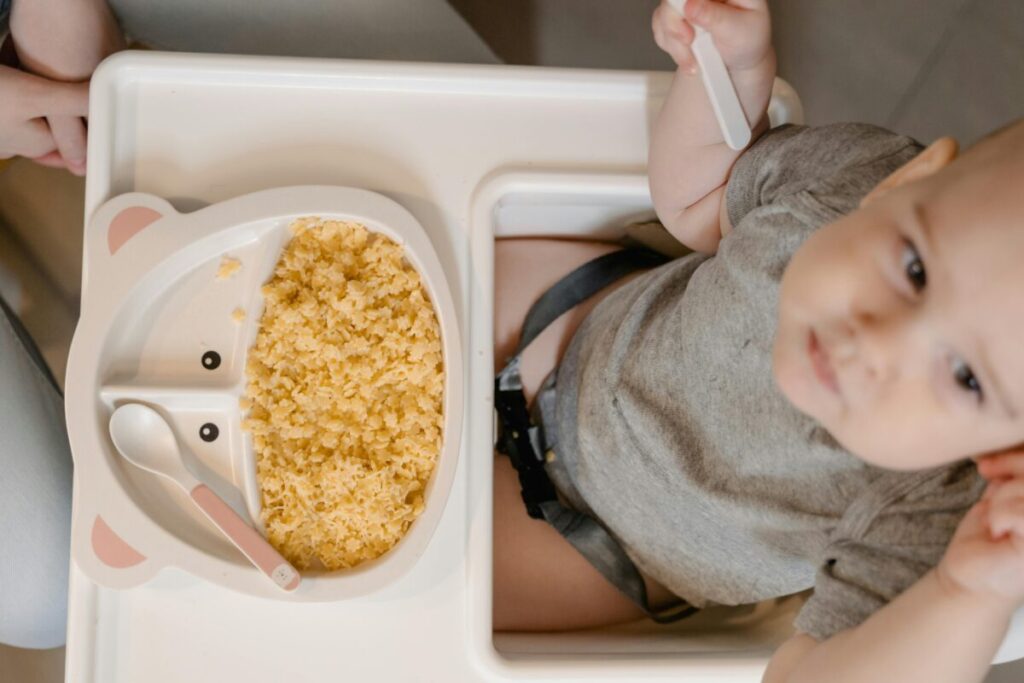
Let’s be honest for a second — if someone had told me a year ago that I’d spend my entire morning obsessing over a 10-month-old feeding schedule just to have my baby look me dead in the eye and toss a piece of broccoli at my face, I probably would’ve laughed. But here we are. Welcome to the messy, loud, and slightly chaotic 10-month-old stage, where the floor somehow eats more calories than the baby, there’s always oatmeal in your hair, and your laundry basket is basically a graveyard for spaghetti-stained onesies.
I’ve been exactly where you are. I remember sitting on my kitchen floor at 8:00 PM, staring at a plate of rejected turkey meatballs, feeling that familiar sting of ‘mom guilt.’ I was terrified she wasn’t eating enough, worried she’d choke on a pea, and honestly just exhausted from the constant cleanup. Trust me, you’re not doing it wrong. At 10 months, your baby is transitioning from a passive eater into a suddenly opinionated little eater with a surprisingly strong throwing arm. This isn’t meant to be a strict medical guide — it’s more of a real-life survival guide for the messy, beautiful, and loud reality of finding the perfect 10-month-old feeding schedule.
When They Start Picking Up Tiny Pieces of Food
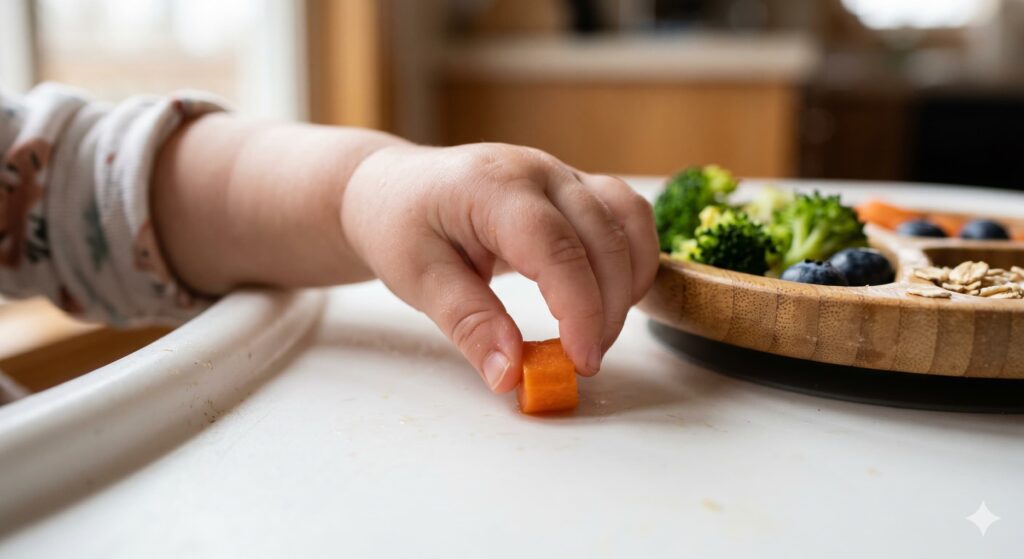
Can we just take a second to celebrate the Pincer Grasp? Around 10 months, you’ll see your baby stop “palming” their food like a barbarian and start using their thumb and index finger like a tiny, focused surgeon. It’s the coolest milestone ever—until they use that same precision to pick up a microscopic piece of lint from the carpet and try to eat it before you can intervene. Managing this newfound curiosity is a huge part of your 10-month-old feeding schedule, especially as they move away from purees.
This is usually the stage when finger foods start getting a lot easier. Their coordination is finally catching up to their curiosity. If you’ve been stuck in the “safe” world of smooth purees because you were scared to death of textures, this is your sign to lean in. Wait, I know what you’re thinking: “But what if they don’t chew?” Trust me, those gums are like iron. At 10 months, their gag reflex is moving further back, making them much more capable of handling lumpy, mashed, and soft-solid foods. This is where the real fun (and the real mess) begins.
Once they master that pincer grasp, your 10-month-old feeding schedule becomes a lot more about them exploring textures and a lot less about you doing all the work.
The “Sanity-Saver” 10-Month-Old Feeding Schedule (A Real-Life Sample)
I always try to treat schedules as a guide, not something you have to follow perfectly. You need it to guide you, but if a nap goes long or a diaper blowout happens right at lunchtime, the world won’t end. At 10 months, most babies are rocking two solid naps and three meals that actually look like… well, meals.
| Time | Activity | The “Real World” Breakdown |
| 7:00 AM | Wake Up & Milk | usually the first milk feed of the day |
| 8:30 AM | Breakfast | Usually the messiest meal of the day. Think yogurt in the eyebrows. |
| 10:00 AM | Morning Nap | a small window to rest, clean up, or just breathe for a bit. |
| 11:30 AM | Milk Snack | Optional, but helpful if they didn’t eat much breakfast. |
| 1:00 PM | Lunch | Focus on iron-rich baby foods here to keep energy up. |
| 2:30 PM | Afternoon Nap | The “fingers crossed it lasts at least an hour” nap. |
| 4:00 PM | Afternoon Milk | A quick bridge to keep the “hangry” monster away. |
| 6:00 PM | Dinner | The main event. Try to eat together, even if your dinner is cold. |
| 7:30 PM | Bedtime Milk | The quietest, sweetest 15 minutes of your entire day. |
Why the 3-Hour Gap is My Golden Rule

I used to make the mistake of offering a bottle right before lunch because I was so worried he was hungry. But then he’d just sit there and stare at his avocado toast like it was a boring museum exhibit. He was “milk-drunk.”
Wait, what helped me most was this : Try to keep a 2.5 to 3-hour gap between their last milk feed and their solid meal. This ensures they arrive at the high chair with a genuine appetite. We want them to start learning that food actually fills their belly, not just milk.
Setting up a solid 10-month-old feeding schedule isn’t just about the food itself, it’s about the timing.
Breakfast, Lunch, and Dinner: What’s Actually On the Menu?
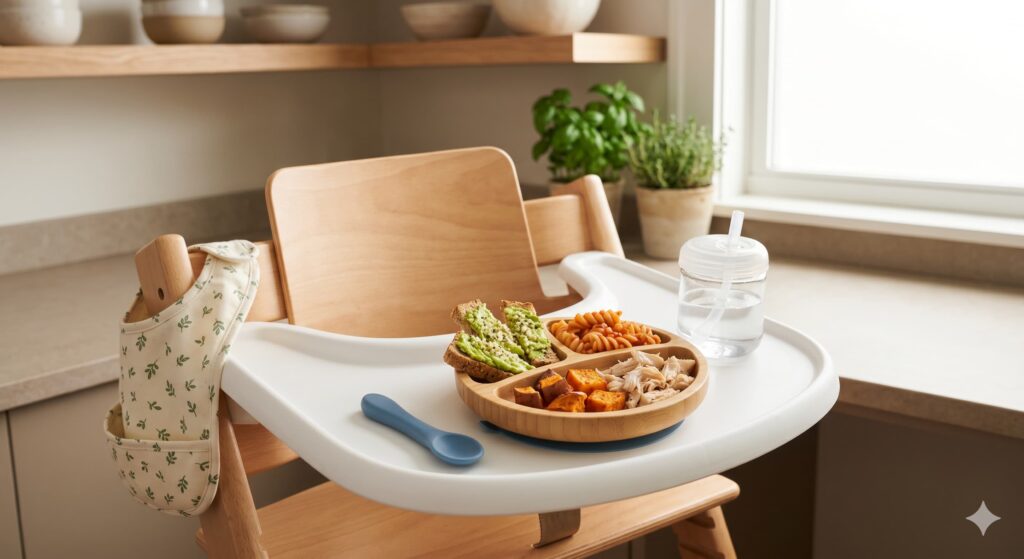
When we talk about the transition to finger foods, we aren’t just talking about giving them whatever we’re eating (though that’s the goal eventually). But here’s the thing: making sure your 10-month-old feeding schedule includes calorie-dense, iron-rich, and healthy-fat-heavy options is non-negotiable. Their brains are growing faster than your grocery bill, and they need the fuel to keep up with all that crawling and cruising.
Breakfast Ideas That Usually Work Well
Breakfast at our house used to look like a crime scene. But it was also when my little one was most willing to try new things.
Breakfast at our house used to look like a crime scene. But finding the right breakfast for your 10-month-old feeding schedule is key to starting the day without a meltdown. Here are a few ideas that usually work well:
- Iron-Fortified Oat Fingers: Mix baby oatmeal with a mashed banana and a sprinkle of cinnamon. Bake it into “bars” that they can easily hold.
- The “Green” Omelet: Whisk an egg with finely chopped spinach (and maybe a little feta because, hey, we have taste buds too). (If you’re still worried about eggs, check out our Introducing Allergens: A Nervous Mom’s Guide to First Tastes for some peace of mind). Cut it into finger-sized strips.
- Full-Fat Greek Yogurt: Don’t go for the low-fat stuff! Babies need those fats. Mix in some smashed raspberries for an antioxidant boost.
When you’re looking for breakfast options to fit into your 10-month-old feeding schedule, try to focus on things that are easy to grab.
Lunch: The Quick Wins
Lunch is usually when I’m running low on patience, so I keep it simple. When you are in the middle of a busy 10-month-old feeding schedule, you don’t always have time for gourmet meals. I used to keep a stash of slow-cooked chicken in the fridge just for these moments.
Lunch is usually when I’m running low on patience, so I keep it simple.
- Avocado Toast Strips: Use whole-grain toast (lightly toasted so it’s not gummy) and smash that avocado on thick. It’s a staple for any 10-month-old feeding schedule because it’s packed with healthy fats for brain development.
- Shredded Chicken & Sweet Potato: I used to keep a stash of slow-cooked, shredded chicken in the fridge. It’s a great way to practice that pincer grasp.
- Lentil Pasta: This is a lifesaver. It’s naturally high in iron and soft enough for gums to handle easily.
Dinner: Family Style (Sort of)
Dinner is usually the easiest time to offer a bit of what the family is eating. But it’s also about avoiding the temptation to just give them a pouch and call it a day.
- Mini Turkey Meatballs: Mix ground turkey with grated zucchini (sneaky veggies for the win!).
- Quinoa & Butternut Squash: Cook the quinoa until it’s nice and soft, then mix it with mashed squash so it “clumps” together. This makes it easier for them to grab.
- Salmon Strips: Don’t be afraid of fish! Salmon is packed with Omega-3s. Just make sure there are zero bones.
Dinner is usually the time when your 10-month-old feeding schedule either falls perfectly into place or completely falls apart because everyone is tired—and that’s okay!
Wait, before you reach for that extra scoop of cereal thinking it’ll lead to a longer night’s sleep, you might want to read why The Bedtime Cereal Myth: Why Filling Their Tummy Might Be Ruining Their Sleep is actually a thing. Spoiler: it might be doing the exact opposite
When They Start Throwing Food

Let’s talk about the elephant in the room: the throwing. You spend 30 minutes steaming, chopping, and arranging a beautiful organic meal, and within 30 seconds, your 10-month-old feeding schedule looks you dead in the eye and swipes the entire plate onto the floor.
Wait, before you cry (I’ve been there), understand that a lot of the time, they’re simply curious about what happens when food falls. They are learning about cause and effect. “If I drop this, Mom makes a funny noise and picks it up.”
The “No-Plate” Strategy
If your baby is in a “frisbee phase,” ditch the plate. Seriously. Put the food directly on the high-chair tray. It removes the tempting “tool” of destruction and forces them to focus on the food. Also, try the “One-Piece Rule.” Instead of a pile of food, put just two or three pieces on the tray. It’s less overwhelming for them and less to clean up for you when it inevitably hits the floor.
When They Hate Touching Food
Some babies are “sensory sensitive.” If your little one acts like a piece of wet watermelon is acid, don’t force it. But do keep offering. You can bridge the gap by giving them a “pre-loaded” spoon that they can take from your hand. It gives them control without the “scary” feeling of wet hands. If you notice they are extra picky about textures outside the high chair too, you can help them get used to different feels by trying out some fun [5 Sensory Play Ideas That Won’t Ruin Your Carpet (And 1 That Will, But It’s Worth It)] during playtime to ease that anxiety
Hydration: Ditching the Bottle (Slowly)
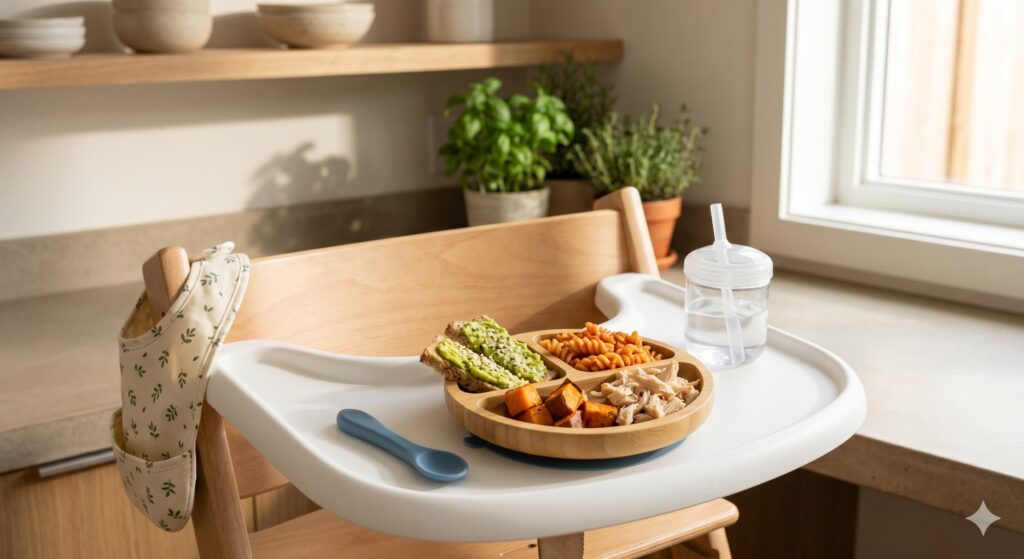
By 10 months, we’re starting to look toward the one-year mark, which means we need to talk about straw cups. Sippy cups are okay, but straw cups are much better for their oral motor development and speech skills. I remember the first time I tried a straw cup—she just chewed on it like a dog toy. Wait, give it time, because introducing water is a huge part of a successful 10-month-old feeding schedule. Use a weighted straw cup so they can get liquid at any angle.
I remember the first time I tried a straw cup—she just chewed on it like a dog toy. Wait, give it time. Use a weighted straw cup so they can get liquid at any angle. And keep it to water only during meals. We want them to learn that milk is for comfort and nourishment, but water is for washing down that delicious (or rejected) dinner.
I know you have a million questions running through your head. Building a 10-month-old feeding schedule is basically 50% strategy and 50% just hoping for the best. Here are the things that keep most of us up at night.
Common FAQ: The Things That Keep Us Up at Night
“What if my baby is only eating a few bites?”
Look at the week, not the meal. Some days they are teething and only want milk. Some days they eat more than you. It balances out. As long as they are growing and having wet diapers, you are doing fine.
However, if those ‘few bites’ turn into a total strike, you’ll want to check out my deep dive into why babies suddenly refuse solids. Sometimes it’s just teething, but sometimes it’s a simple tweak to the environment that changes everything.
“Can I still co-sleep and dream-feed?”
Listen, every baby is unique. If you’re following a 10-month-old feeding schedule but they’re still waking up for a ‘top-up’ at night, it might be out of habit or a need for closeness. But if you’re wondering if their diet is the reason for those 3 AM wake-up calls, take a look at my guide on Sleep Training & Nutrition: How to Help Your Baby Sleep Through the Night.
“Is gagging normal?”
Yes! Gagging is their body’s way of saying, “Whoa, that’s too big, let me move it forward.” Choking is silent; gagging is loud. It’s scary to watch, but it’s a necessary part of the learning process.
Conclusion: Trust Your Gut, Mama
At the end of the day, you are the world’s leading expert on your baby. Finding the right 10-month-old feeding schedule that works for YOUR family is a marathon, not a sprint. No blog post (not even this one!) knows your little one better than you do. 10 months is a loud, messy, exhausting, and beautiful transition. You are moving from “feeding a baby” to “raising an eater.”
Some days meals go great, and other days everything ends up on the floor. Honestly? All of those days are okay. You’re doing better than you think. So, wipe that sweet potato off your forehead, take a deep breath, and remember: this is just a phase. A very, very messy phase.
You’ve got this!
Getting ready for the next big milestone? Check out my guide on the 11-Month-Old Feeding and Sleep Schedule to stay ahead of the game!
Disclaimer: I’m just a parent sharing what worked for me — not a doctor. Every baby is different, so if something feels off or you have concerns, it’s always best to check in with your pediatrician.