Okay, full disclosure: I’m just a sleep-deprived mom sharing what I’ve learned about introducing allergens, not Dr. Google or Dr. Anyone… at least not today. This guide is based on my own messy experiences, late-night panic attacks, and probably way too much coffee—but every baby is different. Always talk to your pediatrician before you start, especially if your family has a history of allergies. Okay? Deep breath.
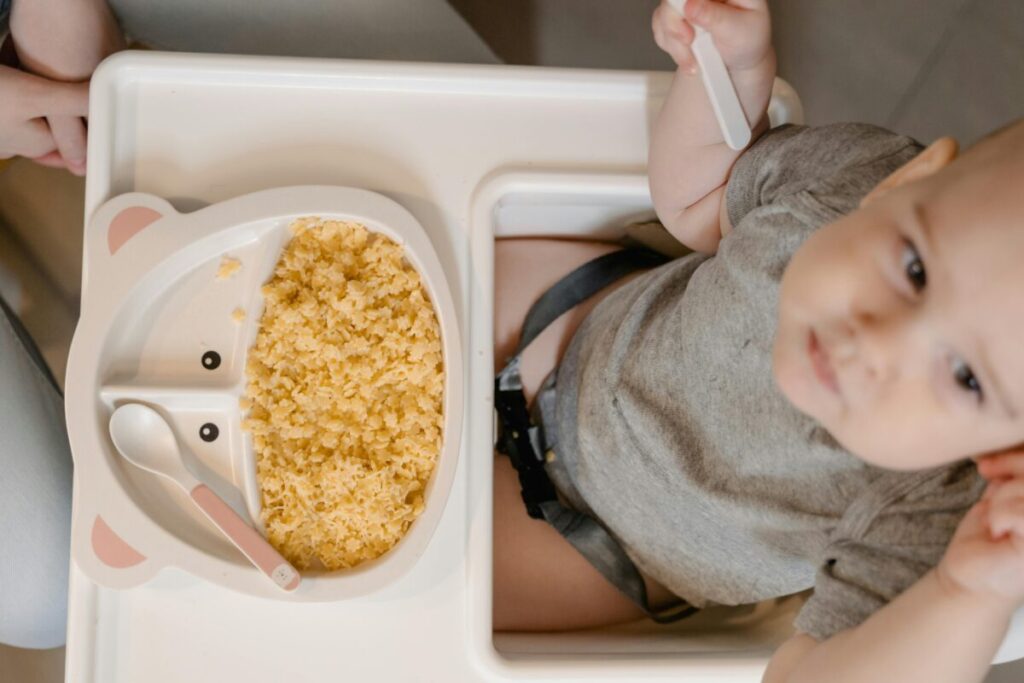
It was 10:15 AM on a Tuesday, and I was staring at a microscopic smear of scrambled egg like it was a ticking bomb. My daughter sat in her high chair, banging her spoon, looking at me with those “Feed me, lady” eyes… completely unaware that her mom was having a silent meltdown and possibly plotting a nap that might never happen. I mean, I literally smelled like sour milk and pure desperation. I swear my shirt had enough spit-up on it to refill a small coffee cup, and yes, I may have wiped my forehead on the sleeve—don’t judge. But, wait… let’s be real, we’ve all been there, right?
My phone was on the counter, screen unlocked, with the pediatrician’s number ready to go. The past three nights had been a total blur of Googling “infant anaphylaxis symptoms” until my brain was basically mush. First Peanut Butter Day feels scarier than a horror movie. One minute, you’re protecting this tiny human from every germ in the world, and the next, you’re supposed to hand them a potential allergen and just… watch. It’s nuts. I mean, it is literally terrifying.
Table of Contents
The Modern Shift in Introducing Allergens: Why Everything You Knew is “Old News”
Talk to your mom or grandma, and they’ll tell you to wait until the baby is three years old to even touch a peanut or an egg. Classic advice (because clearly, they lived in a different universe back then). But science changed its mind, and didn’t even bother leaving a note. Current advice? Early introduction—around 6 months—can actually reduce the risk of allergies. Waiting too long is basically “old-school.” But, wait… as if parenting wasn’t confusing enough already.
The “Top 9” Heavy Hitters (The Usual Suspects)

Here’s who’s usually responsible for the drama at the high chair:
- Peanuts (the one that keeps you up at night… literally)
- Eggs (the classic first “test”)
- Dairy (yogurt or cheese—but seriously, skip the bottle milk!)
- Fish (salmon, cod—smell is… optional, but inevitable)
- Shellfish (shrimp, crab, no shenanigans here)
- Tree Nuts (almonds, walnuts, cashews—but, wait… never give whole ones!)
- Wheat (because apparently, even bread is out to get us now…)
- Soy
- Sesame (the newbie on the scary list)
The Golden Rules of “No-Panic” Safety

When you start introducing allergens, remember to keep it calm and focused.
- Start at Home – Never try a new allergen at a restaurant. Trust me, you do not want to be Googling “hives in public” while juggling a stroller and a diaper bag.
- The Morning Rule – Always do first tastes in the morning. You want 6–8 hours of daylight and awake-time to observe. 7 PM? Big, fat nope. I mean, I literally did that once with a new yogurt and spent the whole night staring at her monitor like a crazy person. Never again. You don’t want to be staring at them with a flashlight at 3 AM.
- Start Tiny – Not a giant omelet. A microscopic smear… like, “did that even happen?” small.
- 3-to-5 Day Window – One new food at a time. Mix-ups = absolute panic. We need to know who the villain is.
Allergies vs. Sensitivity: Detective Mode
Every little red dot looks like an ER moment when you’re on edge. Use your instincts… and those Teething vs. Cold Guide detective skills. Seriously, it’s like we need a private investigator license just to start solids.
- Mild: A few hives, redness around the mouth. Scary? Yes. But, wait… it’s usually manageable. Keep Benadryl handy—even if it’s unopened, it’s like a security blanket for your anxiety.
- Emergency: Swollen lips, trouble breathing, or floppy limbs? Stop reading this. Call 911. Don’t second-guess your gut.
Feeding Logistics: Handling the “Scary” Stuff

Introducing allergens doesn’t have to be a source of anxiety. Whether you are a puree pro or following Baby-Led Weaning (BLW), here is how to serve these common allergens safely:
- Puree Pros (Smooth & Simple): If you are serving purees, the goal is a runny, safe consistency. Thin out a small amount of peanut butter or nut butter with breast milk, formula, or warm water. You want it to be thin enough to swallow easily, ensuring there are no thick clumps that could pose a choking risk.
- BLW Pros (The Tiny Smear): If you’re practicing baby-led weaning, keep it minimal. A tiny, translucent smear on a small piece of toasted bread is perfect for that first exposure. One small bite is all you need—there is no need to overdo it!
- The Iron-Rich Egg Hack: Eggs are a fantastic, iron-rich food, but they are also a common allergen. I recommend starting with a well-cooked egg yolk, mashed and thinned with a little water or breast milk. Just remember to stick to the 3-day window: wait three days before introducing any other new foods so you can easily identify the culprit if a reaction occurs.
Baseline Rule: Is Baby Actually Healthy?
If they’re currently sick—a Baby Cold, teething fever, whatever—just stop. No allergens today. You won’t know if a rash is a virus or peanut panic… and you’ll drive yourself crazy trying to figure it out. Wait until they’re back to their usual, broccoli-throwing selves. Trust me, the peanut butter can wait. Your sanity cannot.
Wait until they are healthy before introducing allergens for the first time.
The 7-Month Slump and Allergens
Trying to stick to a 7-Month Feeding Schedule while adding allergens? It’s pure chaos. Drool everywhere, sleep strikes, random tears (yours and theirs)… you know the drill. Be flexible. If you missed the eggs on Tuesday because they were too cranky? Try Friday. There are no trophies for finishing first.
Real Talk: FAQs About Introducing Allergens
Q: Seriously, when should I actually start introducing allergens? A: I know, the old advice was to wait until they’re practically in college, but the new science says otherwise. Most experts suggest introducing allergens around 6 months. Basically, once they’re ready for solids, the “scary stuff” should be on the menu too.
Q: Can I just get it all over with and introduce two allergens at once? A: I totally get the urge to rip the Band-Aid off, but please don’t. When you’re introducing allergens, you want to be a detective. Give it 3 to 5 days between each new “heavy hitter.” If a rash pops up, you need to know exactly who the villain was—the egg or the peanut butter.
Q: What if I’m too nervous and want to skip introducing allergens today? A: Listen, we’ve all had those “not today” mornings. If your baby is teething, has a cold, or you’re just physically vibrating with anxiety, it’s okay to wait. Introducing allergens is a marathon, not a sprint. Do it when you’re both feeling up for it.
Sanity Check: You Are a Warrior
Your heart is in your throat, you’re watching every breath like a hawk… but you’re doing amazing. You’re giving their body the tools to be strong, even if you’re currently covered in spit-up and have coffee stains on your shirt that have basically become part of the fabric now.
Once you survive that first week of peanuts and eggs, it feels like a total gold medal moment. Deep breath, keep the phone nearby, and remember—you’ve got this, Mama. The mess, the stress, the endless drool… it’s all just part of the ride. Now, go wash that shirt… or don’t. I’m literally not the laundry police. You’ve got this.
Surviving the process of introducing allergens is a big win for any parent.
P.S. If you’re looking for the nitty-gritty details on how to actually prep and serve each one, you can find my full breakdown here: 👉 Fearless Feeding: A Real-Mom Guide to Introducing the Top 8 Allergens
Medical Disclaimer
I am a parent sharing my personal experience. This content is for informational purposes only and does not substitute professional medical advice. Always consult your pediatrician.