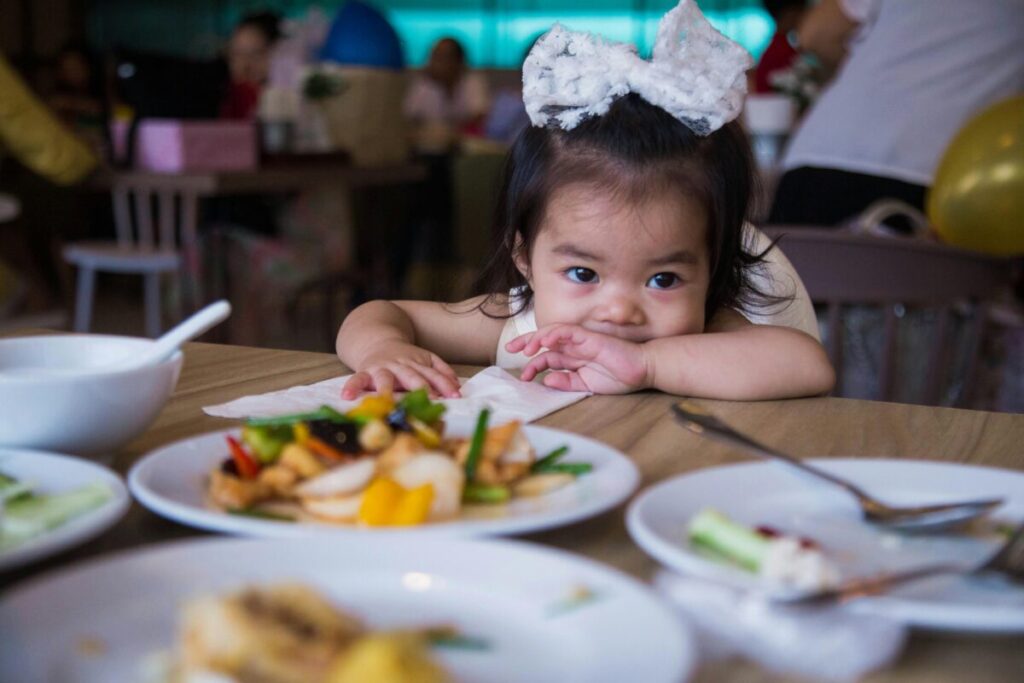
The toddler dinner battle is a real struggle, and I recently lived it when I watched my 16-month-old look me dead in the eye, take a piece of perfectly roasted broccoli, and slowly drop it onto the floor for the dog.
Quick Answer: How to Handle the Toddler Dinner Battle? If you are looking for immediate picky eater strategies, here is the secret: Stop the pressure. Use the Division of Responsibility method—you provide the healthy food, and your toddler decides how much to eat. Focus on “Safe Foods” (things they already like) alongside new exposures, and keep mealtime neutral to end the power struggle for good.
She didn’t even taste it. She just looked at it… paused… and decided it was absolutely not happening.
Welcome to the toddler years, mama. This is the era where “I love strawberries” at 10:00 AM becomes “Strawberries are poison” by 10:02 AM. If you’re currently hiding spinach in brownies, bargaining for “just one more bite,” or wondering if a human child can actually survive on nothing but air and three goldfish crackers, yeah… this is for you.
At Tiny Care Tips, we’ve moved beyond the “easy” baby phase of simple purees. We are now in the era of the Threenager. It’s messy, it’s frustrating, and it’s a total test of your patience. But honestly? we can get through it without turning every dinner into a high-stakes negotiation.
The Biology Behind the Toddler Dinner Battle: Why They Stop Eating (The Biology Behind the “No”)
Before we get to the “how-to,” we need to understand the “why.” Your toddler isn’t doing this to annoy you (even if it feels that way at 6:30 PM). There are a few things going on behind the scenes:
1. The Great Growth Slowdown
In the first year of life, babies triple their birth weight. It’s an insane biological sprint. But around 12 to 14 months, that growth rate drops off a cliff. They simply don’t need as many calories as they did when they were doubling in size every few months. Sometimes, they aren’t eating because they literally aren’t that hungry.
This physical shift often coincides with major developmental leaps. If your toddler is suddenly restless both at the table and in the crib, check out our 18-Month Sleep Regression: The Ultimate Survival Guide to see how these milestones affect their nighttime behavior as well.
2. Neophobia: The Caveman Defense
Neophobia is the scientific term for the fear of new foods. Basically, their brain is like: “If I don’t recognize it… I’m not eating it.” Once a baby starts walking (around 12 months), they could wander off and eat a poisonous berry. Their brain develops a natural “defense mode” that says, “If I don’t recognize it, I’m not putting it in my mouth.” This is why they suddenly reject the salmon they’ve been eating for months—they’ve just entered the “suspicious” phase.
This is why they suddenly reject the salmon they’ve been eating for months—they’ve just entered the ‘suspicious’ phase of the toddler dinner battle.
3. Sensory Overload
In the toddler dinner battle, eating is often a full-body sensory experience rather than just a matter of taste.
For a toddler, eating is a full-body sensory experience. They aren’t just tasting; they are feeling the slime, the crunch, the graininess. If a vegetable is slightly overcooked and mushy, it can trigger a “gag reflex” that isn’t about the taste, but about the overwhelming texture.
The “Flavor Window” and Why It’s Never Too Late
Did you know there is a “flavor window” between 6 and 18 months? This is when babies are most open to new tastes. Once that window starts to close around age two, the “picky eating” peak begins. If you’re already in the thick of it, don’t panic. We aren’t closing the door; we’re just changing the locks.
Understanding the flavor window helps you stay patient when the toddler dinner battle feels never-ending.
How to Handle the Toddler Dinner Battle: Strategies That Actually Work
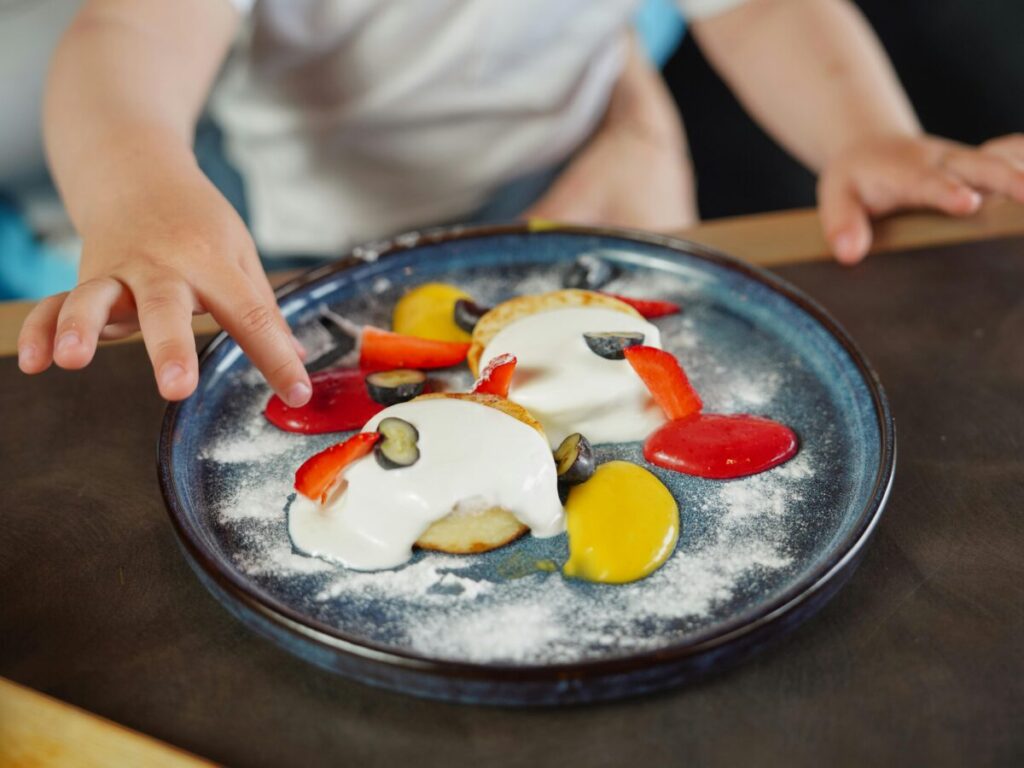
If “open the airplane” has crashed and burned, it’s time to overhaul your dinner table tactics. Here is the deep dive into what actually works.
1. The “Deconstructed” Plate Strategy
Toddlers are visually overwhelmed by “mixed” foods. A beautiful veggie risotto or a shepherd’s pie looks like a pile of unidentifiable chaos to them.
- The Fix: Serve the components separately. Put a pile of plain rice, a pile of cooked ground beef, and a pile of peas in separate sections of the plate. When a toddler can identify every single thing on their plate, their anxiety drops. They feel in control, and control is exactly what a 2-year-old craves.
They feel in control, and control is exactly what a 2-year-old craves during the toddler dinner battle.
2. The “Safe Food” Anchor
Never serve a plate composed entirely of new or “scary” items. yeah… that’s basically a guaranteed meltdown.
- The Rule of Three: Always serve two things you know they like (the “Safe Foods”) alongside one new or rejected item (the “Exposure Food”). If they see their favorite blueberries and cheese on the plate, the presence of one lone asparagus spear doesn’t feel like a personal attack.
While it’s tempting to offer a sweet treat just to ensure they eat something, creating a cycle of ‘dessert rewards’ can backfire. For a deeper look at managing sweets, check out our guide on The Sugar Struggle: Navigating Treats, Tantrums, and Healthy Boundaries for Toddlers to keep your nutritional goals on track.
3. Texture Engineering (The “Crunch” Factor)
If your toddler hates “wet” vegetables, stop steaming them. Steaming often makes veggies limp and mushy—a texture toddlers instinctively loathe.
- Roast Everything: Toss broccoli, cauliflower, or carrots in olive oil, a pinch of salt, and maybe some garlic powder. Roast them at 400°F (200°C) until the edges are crispy and caramelized. The “crunch” makes the vegetable feel like a snack rather than a “chore.”
Changing the texture of vegetables is a secret weapon that can quickly turn the tide of any toddler dinner battle.
Mom-to-Mom Advice
When it comes to effective Picky Eater Strategies, sometimes a simple psychological trick is all you need. Don’t ask, ‘Do you want broccoli?’ Because… but wait… you already know the answer 😅 The answer will always be a resounding ‘NO.’ Instead, use Limited Choice. Ask, ‘Do you want the little green trees or the orange sticks tonight?’ Either way, they are eating a vegetable, but they feel like they made the executive decision.
The Art of “Sneaky Nutrition” (The Survival Guide)
I am a big believer in ‘exposure’—putting the veggie on the plate so they get used to seeing it. But let’s be real: the toddler dinner battle can be exhausting, and sometimes we just need them to have some fiber and vitamins.
- The Ultimate Green Smoothie: You can hide a shocking amount of spinach or kale in a smoothie if you use pineapple, mango, or banana as a base. The sweetness of the fruit completely masks the “green” flavor. The sweetness of the fruit completely masks the ‘green’ flavor, giving you an easy win in the toddler dinner battle.
- The Grater is Your Best Friend: Finely grate zucchini or carrots into muffins, pancakes, or even pasta sauce. They add moisture to the food, but once they are cooked down, they become invisible. Adding grated veggies is a silent victory in the toddler dinner battle that keeps everyone healthy.
- Cauliflower Magic: Steam cauliflower and blend it until it’s perfectly smooth. You can stir this “cauliflower cream” into mac and cheese or mashed potatoes. It adds vitamins and bulk without changing the color or flavor profile that toddlers love.
But let’s be real: sometimes we just need them to have some fiber and vitamins so we can win the toddler dinner battle and sleep without worrying about their health.
The “Division of Responsibility” (Your Path to Sanity)
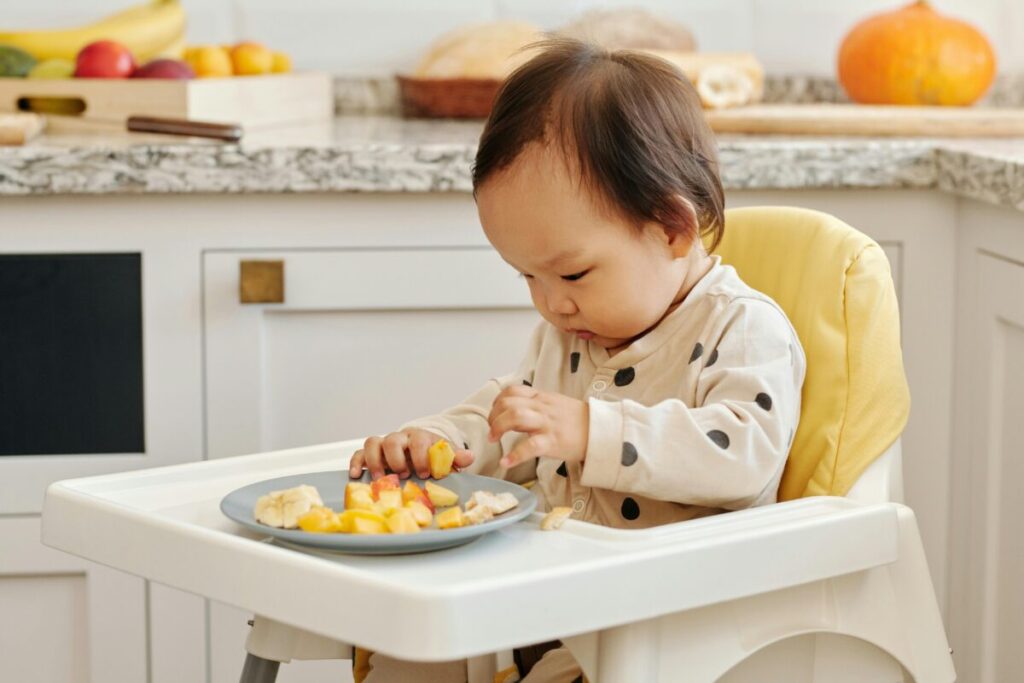
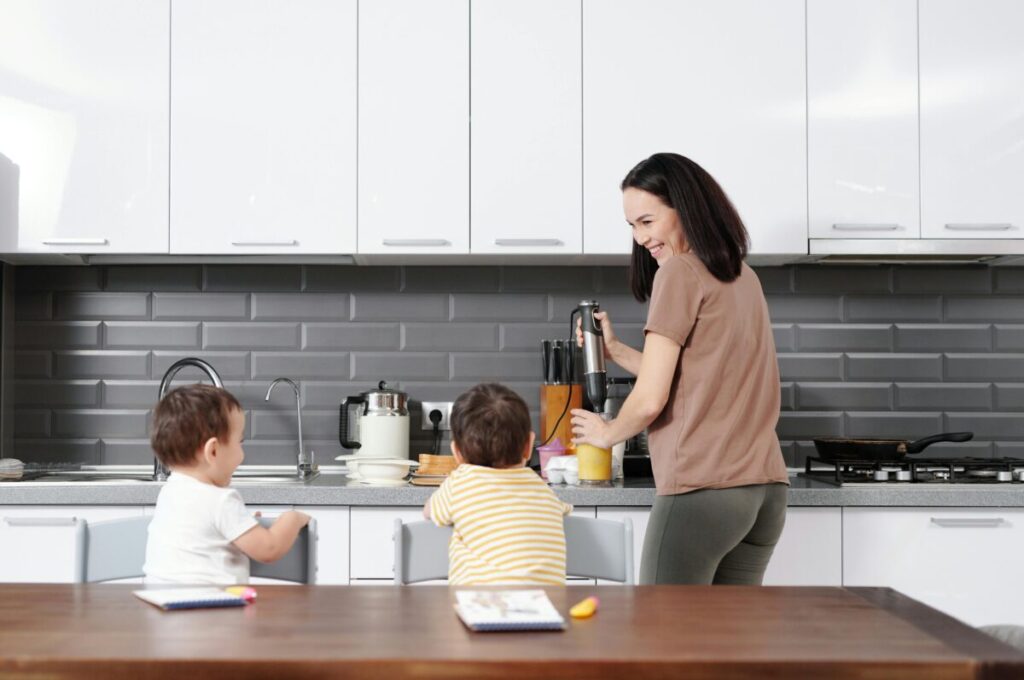
This is kind of the gold standard when it comes to feeding, developed by Ellyn Satter. If you embrace this, the dinner table wars will end.
- YOUR JOB: To decide What food is served, When it is served (schedule), and Where it is served (at the table, no screens).
- THEIR JOB: To decide Whether to eat it and How much to eat.
When you cross these lines (like begging them to take one more bite), you are entering a power struggle you will never win. If you serve a balanced meal and they choose to only eat the piece of bread? That’s okay. Stay neutral. Don’t cheer when they eat a pea, and don’t cry when they throw a carrot. Being a “neutral provider” takes the emotional charge out of the meal.
Being a ‘neutral provider’ isn’t just about the baby—it’s about protecting your own energy. Setting these boundaries is a key step in reducing The Mental Load: Why You’re Exhausted Even When Your Baby Sleeps, helping you step away from the dinner table without feeling emotionally depleted.
Embracing your specific role in the kitchen is the only way to end the toddler dinner battle for good.
Sample “Picky-Eater Approved” Menu (US & Europe Friendly)
Here is a 2,000-word-style breakdown of a day that builds food confidence:
- Breakfast (The “Building Block” Meal): Oatmeal made with whole milk, topped with a “face” of blueberries. Why? The “face” makes the food a toy, not a task.
- Lunch (The “Picnic” Plate): Cubes of cheddar, some sliced turkey or ham, whole-grain crackers, and three thin slices of bell pepper. Serving lunch “muffin-tin style” (putting things in the small holes of a tin) makes it an adventure.
- Afternoon Snack: Apple slices with a small dip of peanut butter or Greek yogurt. Dips are a huge win for toddlers—they love the “action” of dipping.
- Dinner (The “Exposure” Meal): Roasted sweet potato wedges (the “Safe Food”), a small portion of shredded chicken, and one “crunchy” broccoli tree.
- Bedtime Top-Off: A small milk feed. This ensures that even if they barely touched dinner, they won’t wake up in the middle of the night from true hunger pangs.
A small milk feed ensures they won’t wake up hungry, but remember that timing and quality matter more than quantity. If you’re still tempted to add solids to that last bottle, make sure to read our guide on The Bedtime Cereal Myth: Why Filling Their Tummy Might Be Ruining Their Sleep to understand how it actually impacts their rest.
FAQ: The Questions I See Every Day in My Inbox
“My toddler literally only eats ‘white’ foods (bread, pasta, plain rice). Should I be worried?”
This is SO common, like… almost every toddler goes through this phase . “White” foods are predictable. A Ritz cracker always tastes like a Ritz cracker. A strawberry can be sweet, sour, mushy, or firm—it’s unpredictable. Keep offering “color” on the side, but don’t stop serving the white foods. They need the calories to fuel their brain. Don’t let the preference for ‘white foods’ discourage you; it’s just one phase of the overall toddler dinner battle.
“Is it okay to use the iPad during dinner just to get them to eat?”
I know it’s tempting, but try to avoid it. Screens create “mindless eating.” The child isn’t learning to listen to their hunger cues or experiencing the texture of the food. They are just a passive vessel for calories. If you need a distraction, try putting on some light music or an audiobook instead. If you need a distraction during the toddler dinner battle, try putting on some light music or an audiobook instead.
“What about the ‘One Bite Rule’?”
Many experts now advise against the “One Bite Rule” (forcing them to try one bite before leaving). For a child with sensory issues, that one bite can feel like a trauma. Instead, try the “Touch, Smell, or Lick” rule. If they aren’t ready to chew and swallow, can they just touch the broccoli with their finger? Can they give it a “butterfly lick”? These tiny steps build up to that eventual first bite.
“My toddler wants a snack 10 minutes after refusing dinner. What do I do?”
This is a classic boundary test! If you give them a snack, you are teaching them that dinner is optional because “the good stuff” (crackers/fruit) is coming later. The answer is: “The kitchen is closed, but we will have a yummy breakfast in the morning.” It feels hard, but 1-2 nights of this usually ends the “dinner strike.”
Staying consistent with boundaries now will prevent a lifelong toddler dinner battle over every meal.
A Final Word: You Are Not a Short-Order Cook
Mama, your kitchen is not a restaurant. You do not need to cook three different meals to satisfy everyone. You are providing nourishment, love, and boundaries.
Tonight, if the floor ends up eating more than your toddler… yeah, it happens. Take a breath. Pour yourself a glass of whatever makes you happy. Remember that your child’s health is measured over weeks and months, not by a single Tuesday night dinner.
You aren’t failing the toddler dinner battle just because a meal ended up on the floor tonight.
You are doing an amazing job in one of the hardest developmental phases. Keep the “Tiny Care Tips” in your back pocket, stay consistent, and remember—one day, they’ll be twenty, and they’ll probably be ordering a salad of their own free will.
You’ve got this! ❤️🥦✨