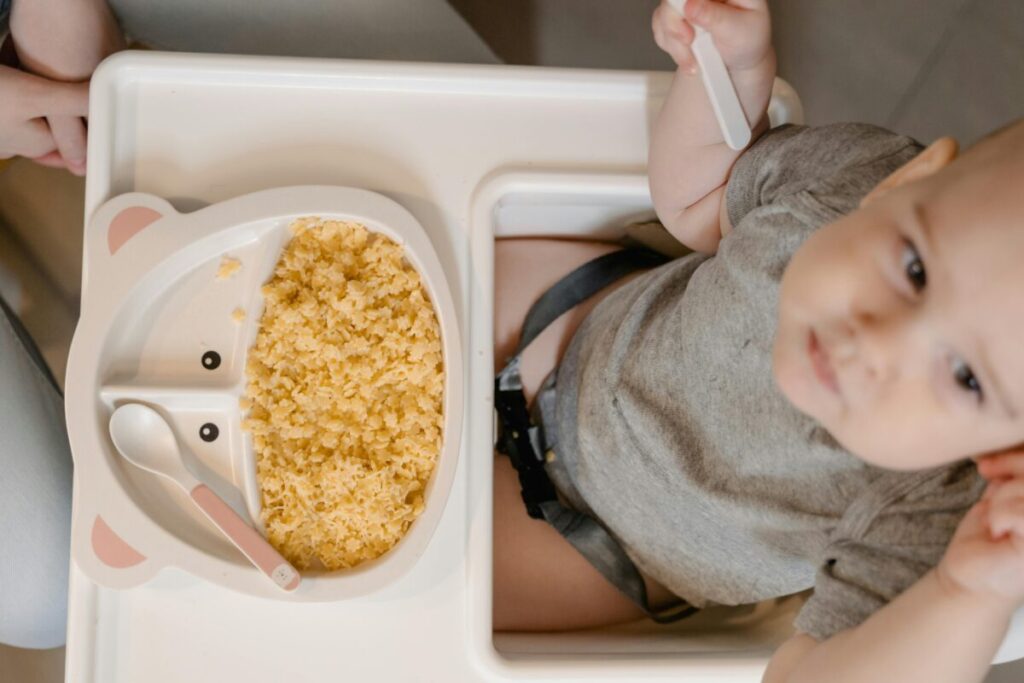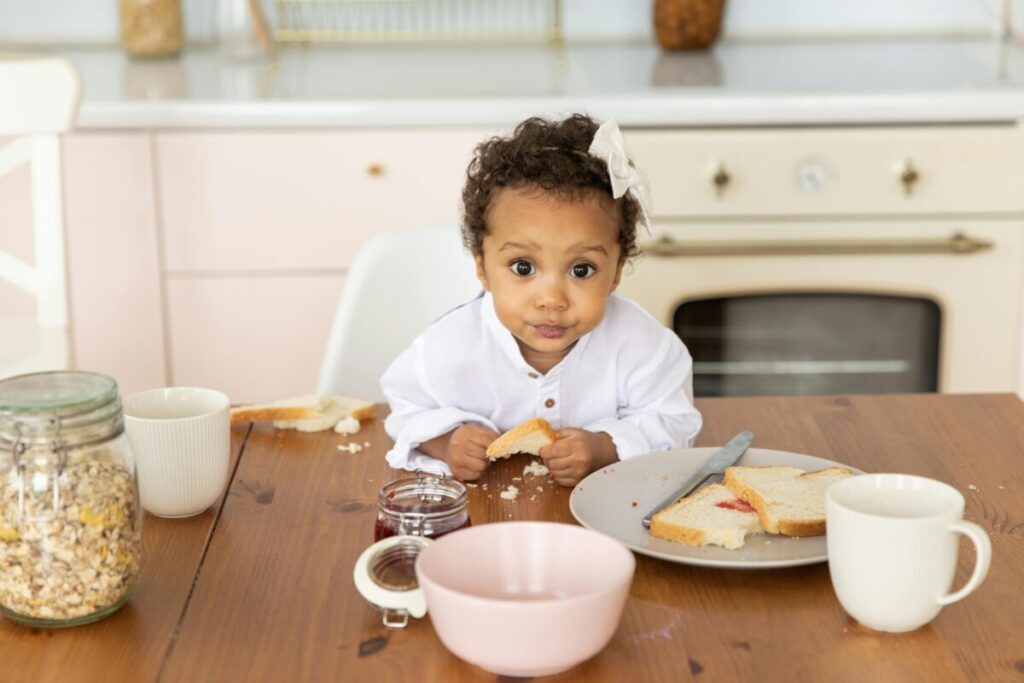
If you are looking for the quick answer, here is the golden rule for a 16 month old feeding schedule: your toddler should ideally have three main meals and two snacks a day, with a maximum of 16 to 20 ounces (470 to 600 ml) of milk.
I used to follow schedules so strictly… and then real life would hit. Some days he’d eat everything, and other days he’d take two bites and be done like that was enough.
Last week, my toddler threw an entire bowl of homemade, organic broccoli mac and cheese directly at the wall, looked me dead in the eye, and clapped. Then, she pointed at my cold cup of coffee and grunted.
Welcome to life with a 16-month-old.
If you spent your baby’s first year carefully pureeing organic sweet potatoes, measuring out perfect baby-led weaning (BLW) avocado spears, and meticulously tracking every single ounce of milk, this stage can feel like a cold, wet towel to the face. Around 16 months, something shifts in their tiny brains. They realize they are separate human beings with their own opinions, and they express those opinions loudly—usually by rejecting the exact foods they devoured yesterday, leaving you wondering what to feed a 16 month old who refuses to eat.
You find yourself staring at a full plate, desperately typing into Google, wondering what to feed a 16 month old who refuses to eat anything other than goldfishes or air.
If you are currently sitting on your kitchen floor, wiping tomato sauce off your baseboards, and wondering why your toddler is suddenly living on air and vibes, take a deep breath. You are not doing anything wrong.
Let’s talk about how to build a realistic daily routine, how to handle the inevitable toddler food strikes, and how to make sure they are actually getting the nutrition they need without you losing your mind.
Table of Contents
The 16-Month-Old Feeding Schedule: A Realistic Daily Routine
Every family has a different rhythm, but at 16 months, structuring their day helps prevent them from getting “hangry” (hungry + angry) or filling up on milk right before a meal. Finding the right 16 month old feeding schedule doesn’t have to be rigid, but having a basic flow keeps everyone sane.
Here’s what a typical day looks like for us (on a good day… because let’s be real, some days fall apart by lunchtime). It balances solid food, nap time, and milk without creating “milk-fill” zones.
| Time | Activity / Meal |
| 7:00 AM | Wake Up & Morning Milk (Optional nursing or a small cup of milk) |
| 8:00 AM | Breakfast (Oatmeal, scrambled eggs, or pancake strips) |
| 10:00 AM | Morning Snack (A few slices of banana, soft-baked oat bars) |
| 12:30 PM | Lunch (a key part of any balanced 16 month old feeding schedule, featuring leftovers, finger sandwiches, or soft veggies with hummus) |
| 1:00 PM – 3:00 PM | Nap Time (the only time you might actually drink your coffee while it’s still warm) |
| 3:15 PM | Afternoon Snack (Something with healthy fat and protein like avocado or yogurt) |
| 5:45 PM | Family Dinner (A baby-friendly version of whatever you are eating) |
| 7:00 PM | Bedtime Routine & Bedtime Milk (Followed by teeth brushing and stories) |
The Reality of a 16-Month-Old’s Appetite (Or Lack Thereof)

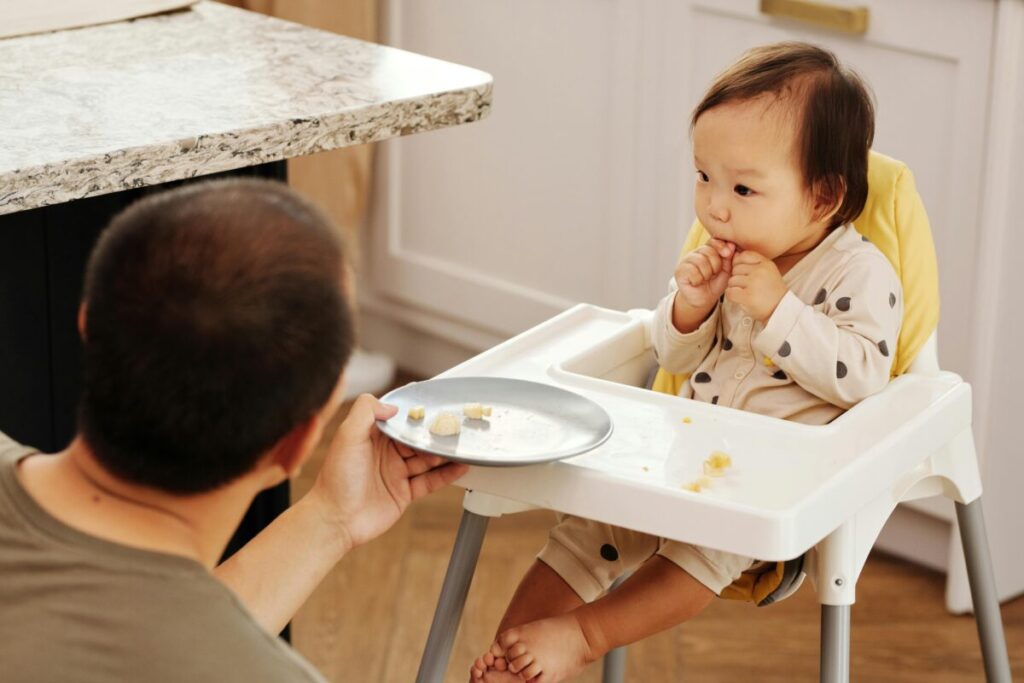
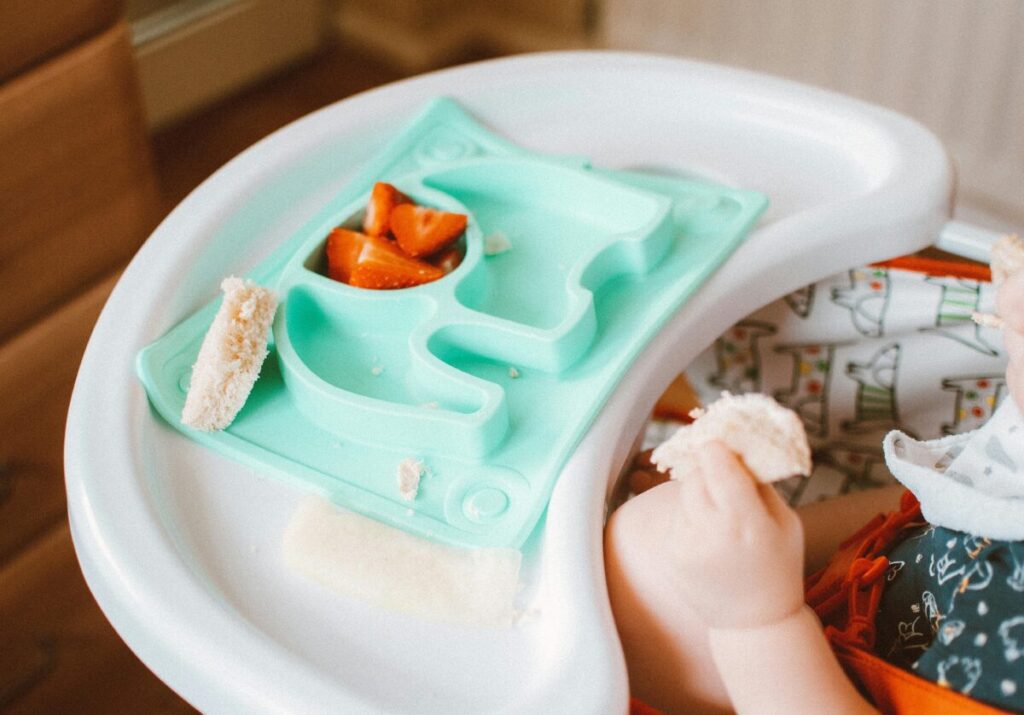
The biggest shock for most moms at this stage is the sudden drop in the sheer volume of food their toddler eats.
Between 6 and 12 months, babies grow at an astronomical rate, so they need a lot of fuel. But after their first birthday, their growth rate naturally slows down. Their bodies simply do not require as much food as they did a few months ago. Combine that with a burning desire to practice walking, climbing, and testing boundaries, and sitting in a high chair to eat a full meal becomes their absolute lowest priority.
I remember when my eldest hit this exact phase. I was so stressed because she went from eating three hearty meals a day to barely grazing on three bites of toast at breakfast. I spent hours googling what to feed a 16 month old who refuses to eat, convinced she was going to drop weight.
But here is the secret I wish someone had whispered to me back then: look at their intake over a whole week, not a single day.
One day, your toddler might eat like a teenage athlete, devouring everything in sight. The next day, they might refuse breakfast, throw lunch on the floor, and only eat two blueberries for dinner. If you look at those days individually, you will go crazy. But if you look at the week as a whole, it almost always balances out. Their little bodies are highly intuitive. They eat when they are hungry, and they stop when they are full.
I’ve had days where she refused lunch completely… and then asked for snacks ten minutes later like nothing happened. That’s when I realized it’s not about the schedule being wrong—it’s just toddler logic.
The Milk Math: How Much is Too Much?
One of the most common reasons toddlers stop eating solid food is that they are simply drinking too much milk. Because milk is sweet, warm, and comforting, a toddler will almost always choose a bottle or breast milk over having to chew a piece of chicken or navigate the texture of a zucchini.
So, how much milk should a 16 month old drink?
Pediatricians generally recommend limiting cow’s milk (or fortified plant milks) to about 16 to 20 ounces (approx. 470 to 600 ml) per day.
I noticed that on days when she drank more milk, she barely touched her food. But when I spaced it out a bit, she was suddenly much more interested in eating.
I actually saw this happen in real life more times than I can count. There were mornings when everything started with milk and I thought, “okay, at least she’s had something.” But then lunch would come and she’d just sit there, completely uninterested. It took me a while to realize it wasn’t about her being picky—it was just that she was already full before she even got to the table. Adjusting our 16 month old feeding schedule to space out milk and solid meals made all the difference.
If your toddler is drinking 24 to 30 ounces of milk a day, their tiny stomach is constantly full of liquid, leaving very little motivation to eat real food.
If you are struggling with a toddler who refuses solids, try tracking their milk intake for 48 hours—you might be surprised by how much it adds up.
When the Food Strikes Hit: Survival Strategies
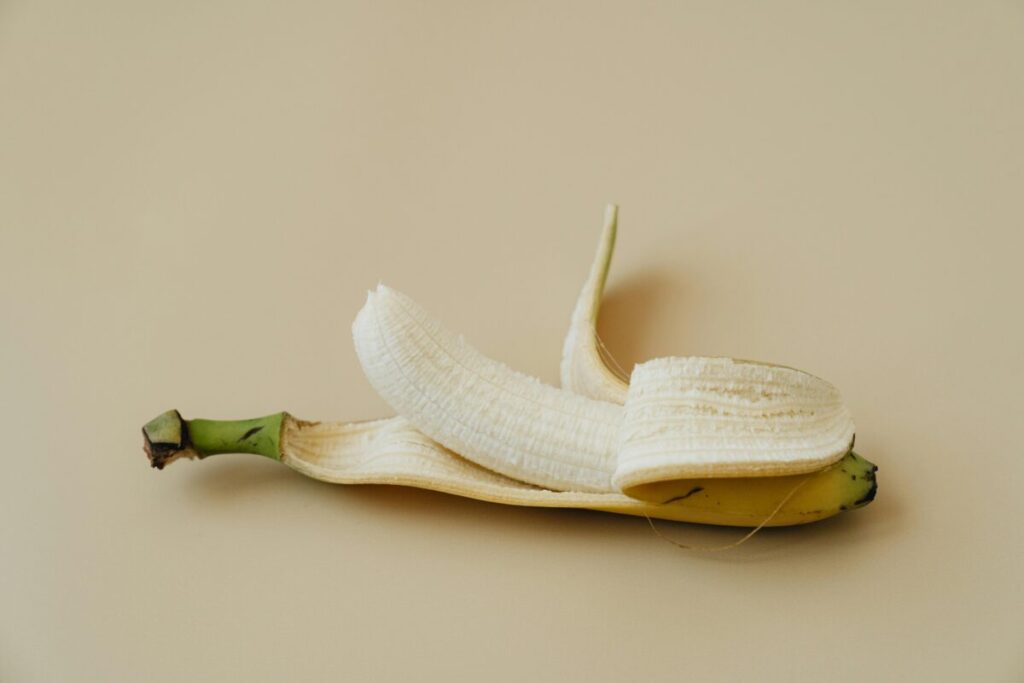
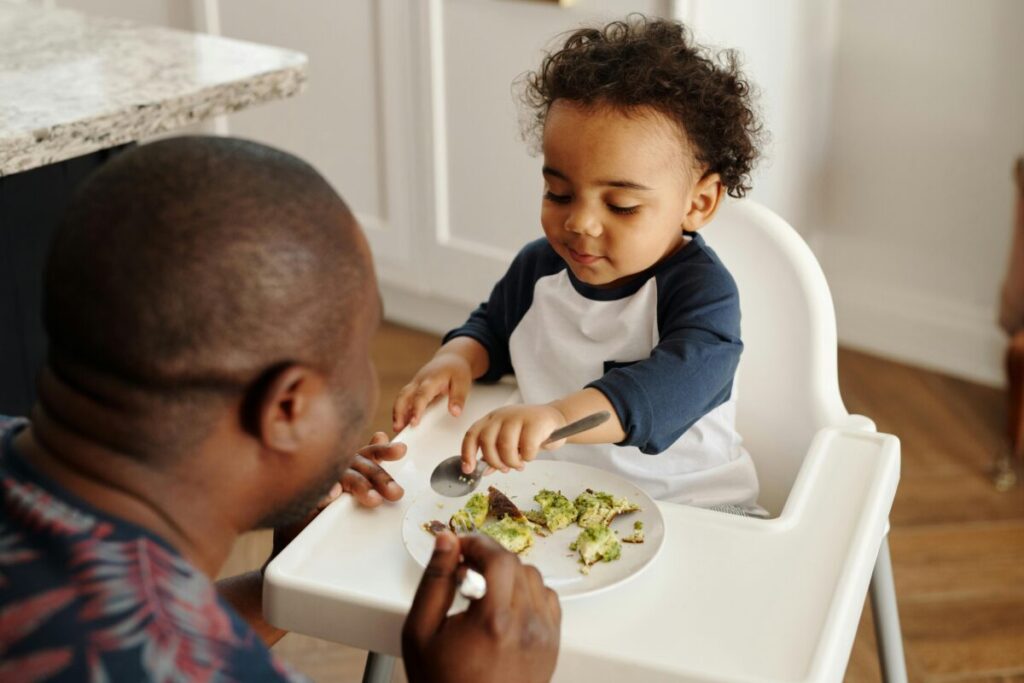
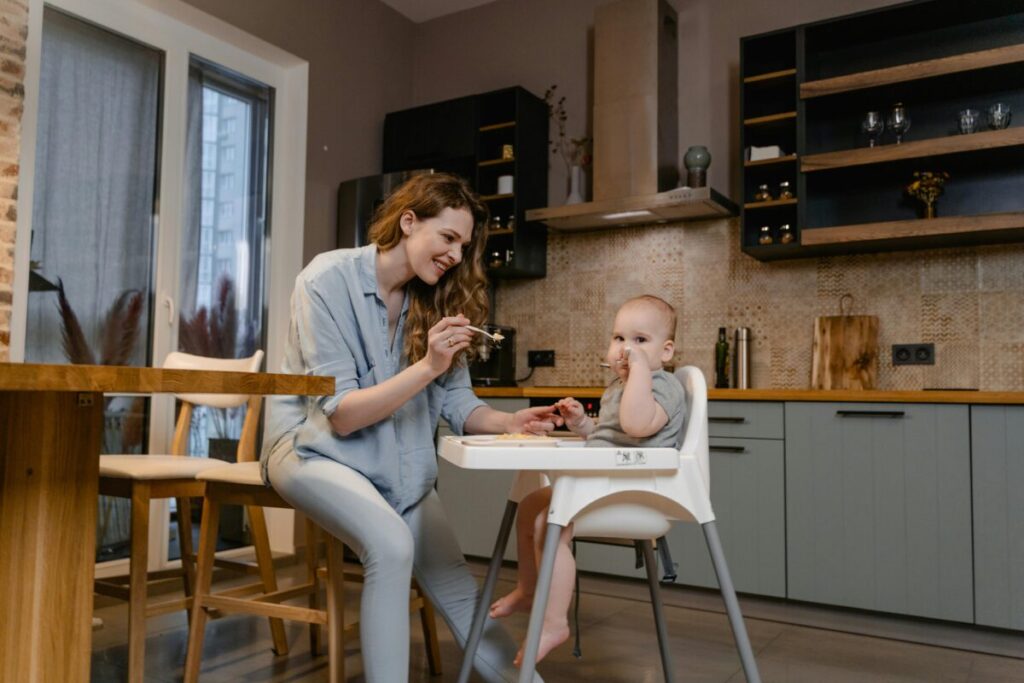
It is incredibly frustrating to cook a beautiful meal only to have it rejected. But before you spiral into mama-guilt, remember that food strikes at 16 months are almost always about control, not the actual food.
I remember one evening I made a full dinner, sat him down, and he just looked at it… and pushed the entire plate away. Not even tasted it. I just sat there like… seriously? not even one bite?
At this age, toddlers have very little control over their lives. We decide when they sleep, when they go in the stroller, and what they wear. The only two things they have absolute, 100% control over are what goes into their mouth and what comes out of their body.
If you turn meals into a power struggle, your toddler will win every single time. Here is how to disarm the struggle and keep your kitchen peaceful:
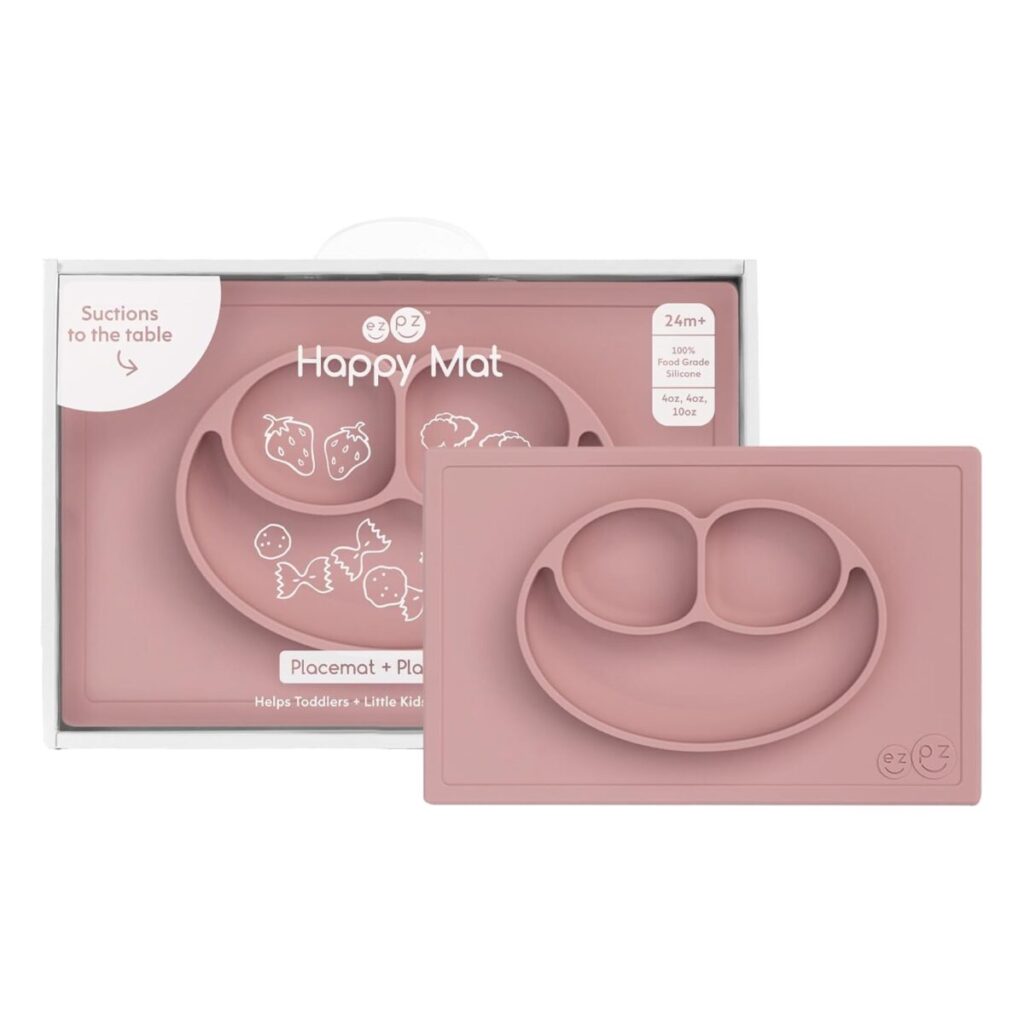
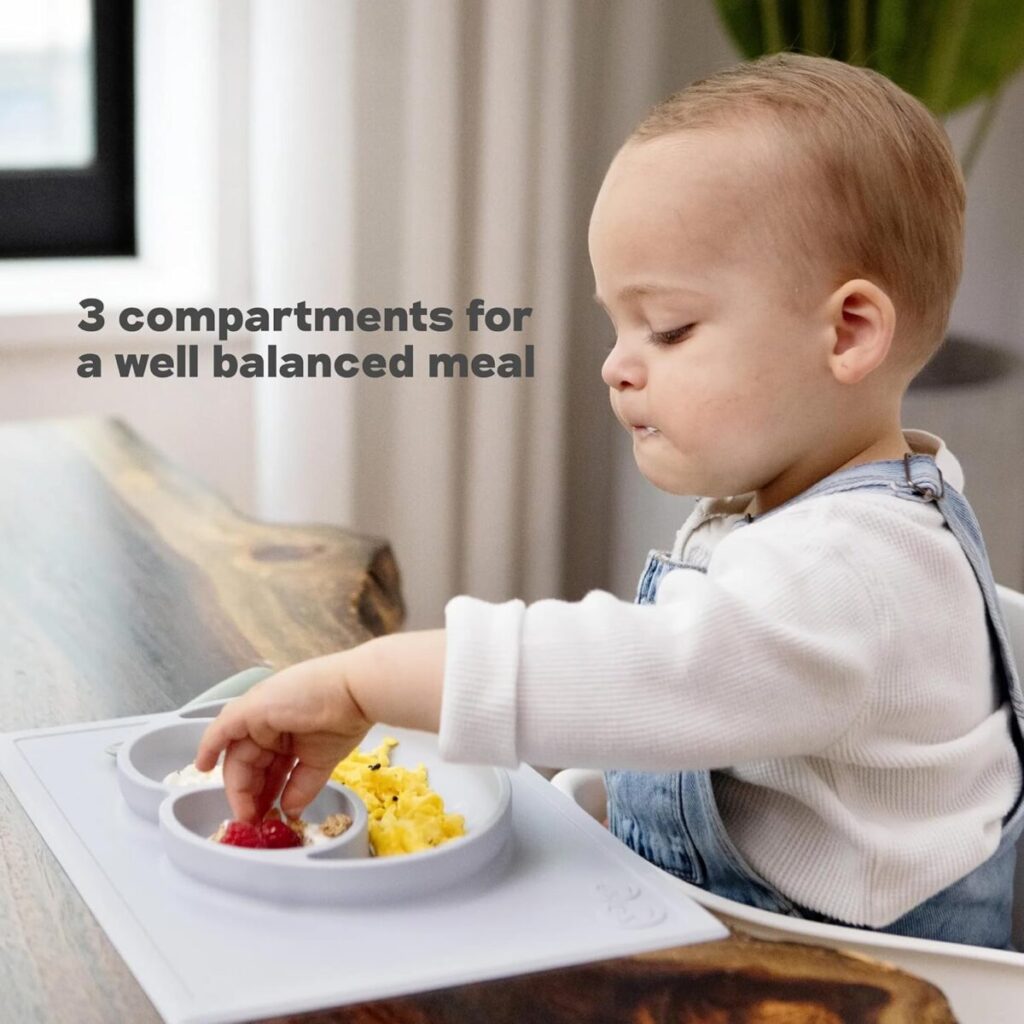
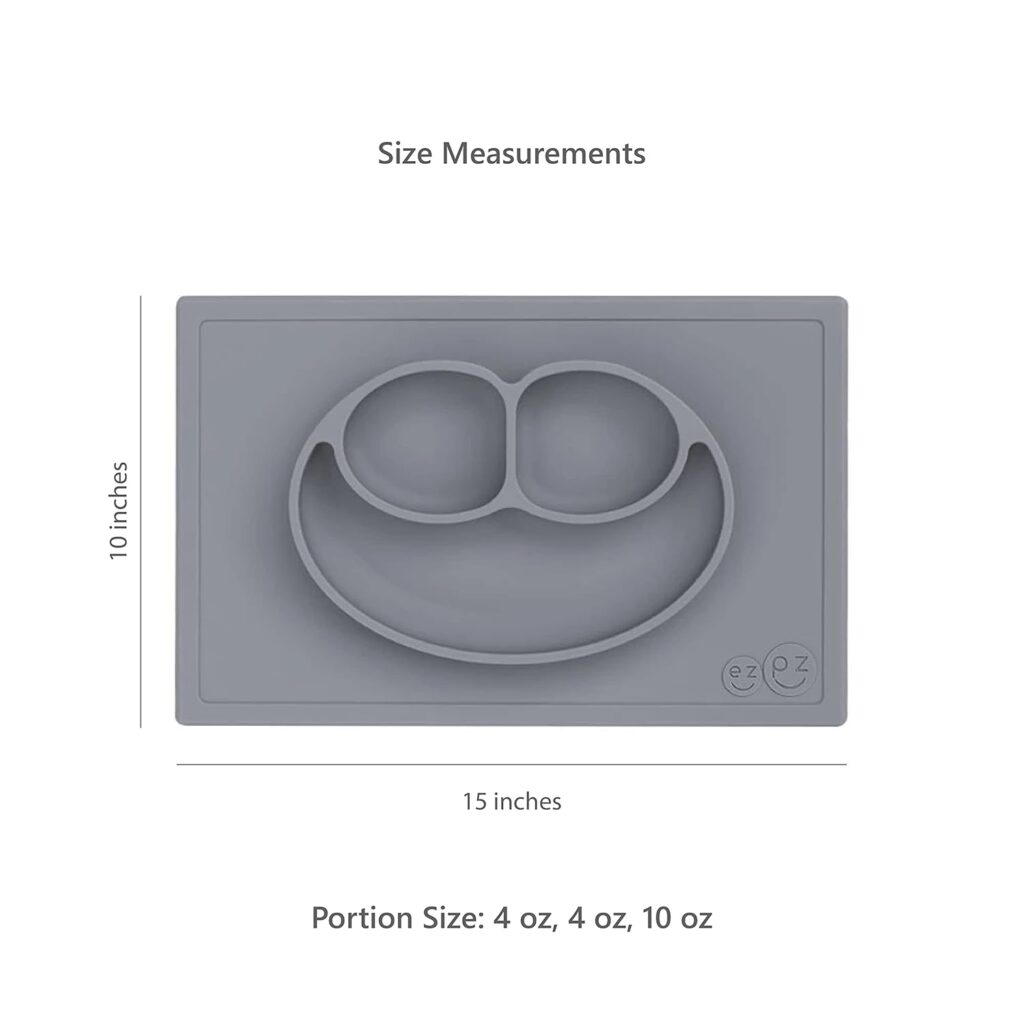
If you’re tired of the constant ‘food-on-the-floor’ game, I highly recommend using the ezpz Happy Mat. It suctions directly to the table, so even a determined 16-month-old can’t flip it. It’s an investment in your sanity, and it makes clean-up so much faster!
1. The Division of Responsibility (Your New Best Friend)
This is a gold-standard parenting concept created by Ellyn Satter, and it will save your sanity:
- Your job is to decide what to serve, when to serve it, and where to serve it.
- Their job is to decide whether to eat it, and how much to eat.
Once you put the plate down, your job is officially done. You do not need to beg, bribe, perform puppet shows, or play “here comes the airplane” to get them to take a bite. If they eat, wonderful. If they don’t, calmly say, “I see you are telling me you are done,” and take the plate away after 15 minutes. Instead of stressing, just keep some 5-Minute Nutrient-Dense Meals for Toddlers: Healthy, No-Cook Ideas When You’re Exhausted on standby for the next meal. Knowing you have a quick, healthy backup plan takes all the pressure off you, and that peace of mind is worth more than any fancy, three-course toddler meal.
2. Always Include a “Safe Food”
Never serve a plate of entirely new or challenging foods. Always include at least one food on their tray that you know they love and feel comfortable with (like bread, banana slices, or pasta). Even if they ignore the rest of the meal, they can fill up on their safe food without you having to run to the pantry to make a separate meal—and this simple trick will keep your 16 month old feeding schedule running smoothly without extra stress.
How much milk should a 16-month-old drink per day?
Pediatricians generally recommend limiting cow’s milk to 16–20 ounces (470–600 ml) daily to ensure your toddler has enough appetite for solid foods.
Why is my 16-month-old suddenly refusing to eat?
At 16 months, growth slows down naturally, and toddlers often use mealtime as a way to test boundaries and exert control. It is usually a normal phase rather than a health issue.
What is the “Division of Responsibility” in feeding?
It’s a strategy where the parent decides what, when, and where to serve food, while the toddler decides whether to eat and how much. This removes power struggles from mealtimes.
Should I worry if my toddler skips a meal?
No, it’s normal. Look at their nutritional intake over the entire week rather than a single day. Toddlers are intuitive eaters who balance their intake over time.
Fast, Stress-Free Meal Ideas for Tired Days
We do not have time to be gourmet chefs three times a day. We need easy toddler meal ideas for busy moms that actually deliver on nutrition without requiring us to wash five different pans.
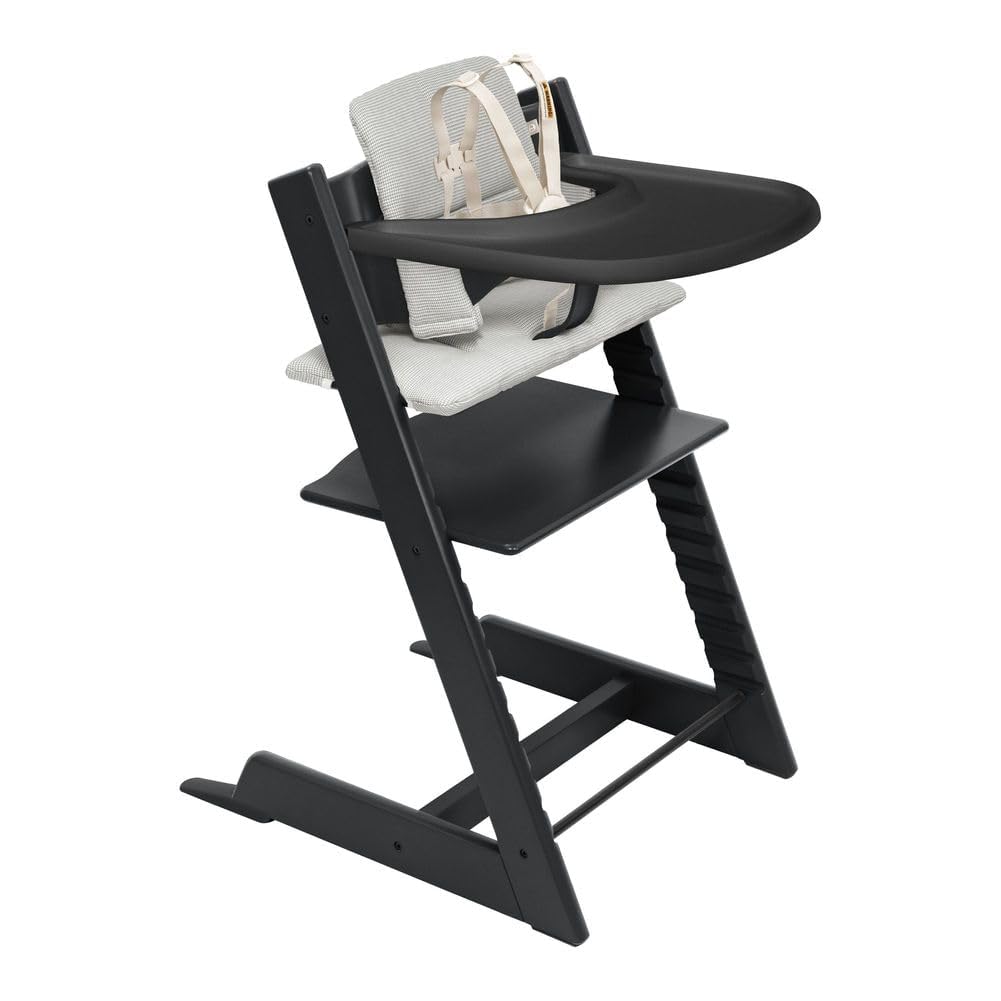
I know high chairs can be a pain to clean. If you are tired of scrubbing food out of tiny crevices, I honestly recommend investing in the Stokke Tripp Trapp. It’s definitely a splurge, but it wipes clean in seconds, looks beautiful in your kitchen, and most importantly—it grows with your child all the way to their teenage years. It’s the last high chair you’ll ever need to buy.
Some days, if I’m being honest, I’m just trying to put something on the plate that he won’t immediately throw on the floor.
Here are three simple, go-to meals that are perfect for a 16-month-old’s developmental skills (great for practicing their pincer grasp or spoon feeding!):
- The “Deconstructed” Taco Plate: Toddlers love holding separate items. Serve a few spoonfuls of black beans (rinsed), some shredded cheddar cheese, a dollop of sour cream or plain yogurt, and some soft avocado slices. It is packed with healthy fats, iron, and fiber, and takes exactly three minutes to assemble.
- Loaded French Toast Strips: Whisk an egg with a splash of milk and a pinch of cinnamon. Dip a slice of whole-wheat bread in the mixture and cook it in butter. Cut it into long, finger-sized strips. The texture is incredibly soft and easy to chew, and the egg provides a massive protein boost.
- The “Clean-Out-The-Fridge” Pasta: One of my favorite easy toddler meal ideas for busy moms is simple pasta: cook some baby-friendly pasta (like rotini or penne, which are easy for small hands to grab), then toss it with a little olive oil or butter, some tiny steamed broccoli florets, and finely shredded leftover chicken.
Looking for more realistic toddler tips? Check out these helper guides next:
- ✨ If you want the full picture of this stage: Read 17 Month Old Developmental Milestones: A Realistic Guide for Modern Moms to understand exactly what’s going on in that busy little brain.
- 🍼 If you are struggling with milk and bottles: Read The Great Milk Rebellion: Switching to Cups Without Losing Your Sanity and make the transition stress-free.
- 🧠 If the food strikes are triggering big emotions: Check out What to Say During a Toddler Tantrum: Scripts That Actually Work (and Keep You Sane) for peaceful co-regulation tricks.
- 🤧 If they are starting daycare or bringing home every bug: Don’t miss The Daycare Crud: How to Build Your Toddler’s Immunity (Without Living in a Bubble) to keep your little one strong.
A Note from the Trenches: Trust the Process
If you are currently exhausted, tired of cleaning up mashed peas from the rug, and worried that your 16-month-old isn’t getting enough nutrients, please take a deep, deep breath. You don’t need to cook complicated recipes; having a few easy toddler meal ideas for busy moms in your back pocket is more than enough. This is a season of boundary-testing, mess, and exploration. Your toddler is learning how to be a person, and food is just one of the playgrounds where they are testing their limits…
This is a season of boundary-testing, mess, and exploration. Your toddler is learning how to be a person, and food is just one of the playgrounds where they are testing their limits. Keep offering varied, healthy foods without pressure. Sit down and eat with them, let them see you enjoying your food, and keep the environment at the table light and happy.
Some days it feels like nothing is working… and then the next day, they eat everything like it was never a problem.
They will eat. They will grow. And you will survive this kitchen chaos!
You are doing an absolutely beautiful job, mama. Hang in there, keep the wipes close by, and take it one meal at a time.
I remember thinking I was doing something wrong because she wouldn’t eat properly, but looking back, it was just timing. Once I adjusted when milk happened in the day, not what she ate, everything felt a little easier. Not perfect—but easier. And honestly, at this stage, fine-tuning our 16 month old feeding schedule is everything.
Disclaimer: I am a mom sharing my personal experience and research, not a medical professional. The content on Tiny Care Tips is for informational purposes only and is not a substitute for professional medical advice, diagnosis, or treatment. Always consult your pediatrician before making changes to your child’s diet or routine.