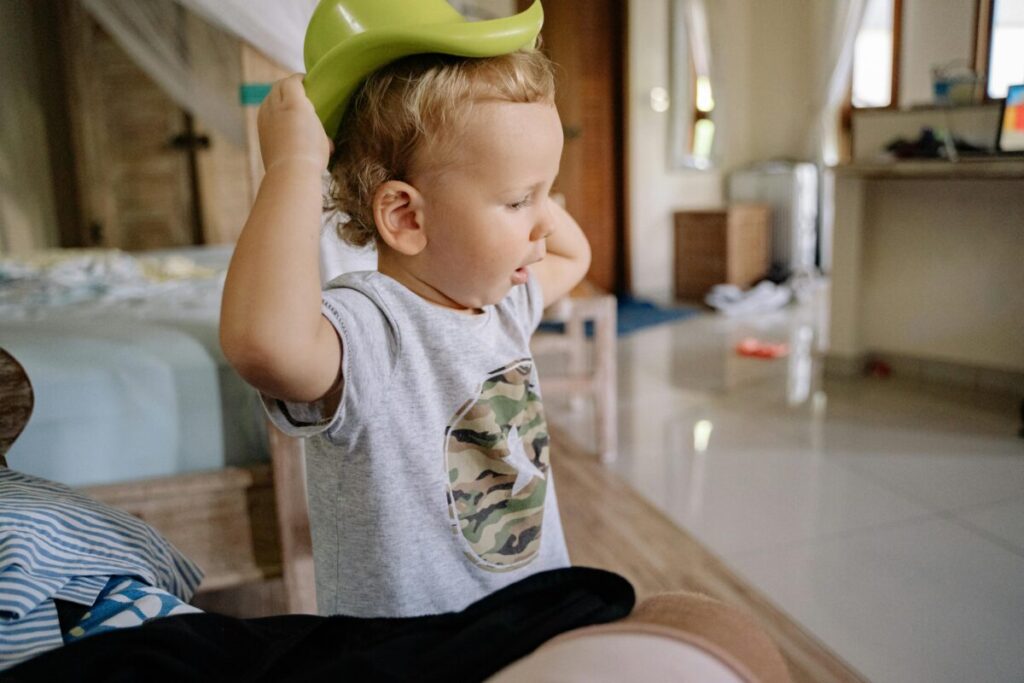
Are you looking at your twenty-one-month-old lately thinking, “Okay… what happened to my sweet little baby?” Because somehow they suddenly have opinions about everything, want to talk nonstop, and act personally offended when another child even looks at their toys.
One minute they’re saying new words that completely melt your heart, and the next they’re screaming because you handed them the wrong spoon.
And honestly, if you’ve been worrying that the clinginess, possessiveness, or emotional meltdowns mean something is wrong — they usually don’t. Around this age, toddlers go through a huge developmental shift. Their language starts growing fast, their emotions get bigger, and they become much more aware of separation, routines, and control.
Which basically means: a lot is happening inside those tiny little brains right now.
So just take a deep breath, and grab whatever beverage is closest to you right now—even if it’s that exact cup of coffee you’ve already reheated three times in the microwave today and still haven’t finished. If you’re reading this while hiding in the bathroom for a two-minute breather because your toddler has been yelling and trailing behind you since the sun came up, I completely, deeply get it.
We are officially navigating the wild world of 21 month milestones, and let’s be honest, it is a rollercoaster where your toddler’s brain is rapidly absorbing everything like a sponge, while their emotional baseline stays as stable as a loose tire on a gravel road. One minute they are melting your heart by pointing to a bird and telling you a full, muddy story, and the next they are screaming bloody murder on the kitchen floor because you didn’t let them eat a piece of old sidewalk chalk they found under the couch.
The infant phase is a distant memory, and we are now dealing with a fully mobile, incredibly vocal little person who has a life-or-death opinion on everything from the color of their plate to the exact way you open a snack bar. But tracking these 21 month milestones isn’t about matching your real-world, messy child against a glossy parenting magazine or a dry medical checklist. It’s about decoding the silent, heavy developmental shifts… Let’s pull back the curtain on what is actually going on this month and talk about how we can make it to bedtime without completely losing our minds.
And I know that keeping a toddler fueled during these meltdowns is a challenge in itself. When you’re running on fumes, check out my 5-Minute Nutrient-Dense Meals for Toddlers: Healthy, No-Cook Ideas When You’re Exhausted for those days when even the simplest recipe feels like too much.
It’s about decoding the silent, heavy developmental shifts happening under that wild head of hair, because your little one is experiencing a massive world expansion right now, and they are using every tool they have to test their limits, find their words, and figure out exactly where they end and where you begin. Let’s pull back the curtain on what is actually going on this month and talk about how we can make it to bedtime without completely losing our minds.
🚨 Spoiler Alert for Exhausted Moms: If you think 21 months is a wild ride, wait until you hit the near-two crisis! You can sneak a peek at your upcoming future in my ultimate guide: 23 Month Milestones: The Unfiltered Survival Guide for Tired Moms.
The Echo Era: Surviving the 21 Month Old Toddler Vocabulary Explosion


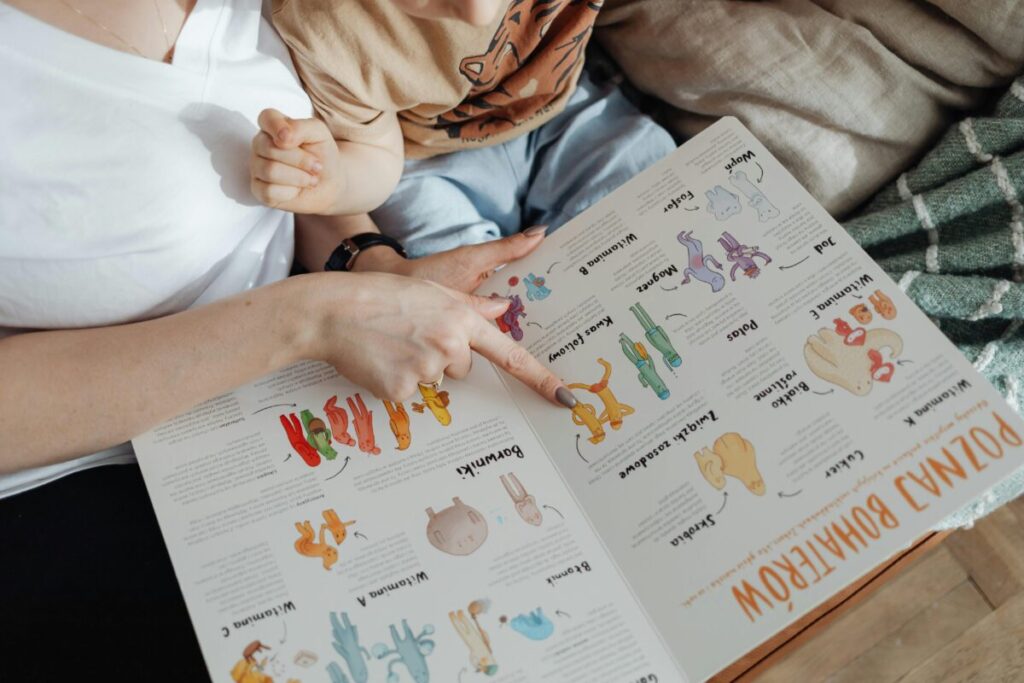
If you have noticed that you can no longer mutter a single private thought under your breath without it being shouted back at you across the living room with direct eye contact, welcome to the echo chamber. This particular month is famous for what pediatricians and desperate parents alike call the 21 month old toddler vocabulary explosion, and it’s a beautiful, terrifying threshold where they aren’t just mimicking simple sounds anymore; they are actively downloading entire phrases and testing them out at the worst possible moments.
I got a brutal reality check on this exact milestone just a few days ago when I was carrying an overly full laundry basket down the hallway, tripped over a plastic toy truck, and dropped the entire load. As everything scattered across the floor, I let out a slightly inappropriate exclamation—nothing truly terrible, but definitely a word I didn’t want featured on a preschool application.
My toddler, who I thought was completely engrossed in his blocks across the room, didn’t skip a beat; he looked up, pointed at the piles of dirty socks, and repeated the exact word back to me with perfect, crystal-clear American English pronunciation, laughed, and then said it three more times just to make sure I heard it.
That was the exact moment I realized his brain is a literal tape recorder with zero filters, and during this amazing 21 month old toddler vocabulary explosion, their language skills shift gears from single, isolated labels like “ball” or “milk” to simple, muddy two or three-word combinations like “more juice please” or “big doggie outside.” They are beginning to use language to actually direct their world, which is incredible to watch, but it also means your days of having secret adult conversations in front of them are officially over.
Encouraging this language leap doesn’t require expensive flashcards or rigorous academic screen time, so turn off those apps and just talk to them like the real people they are becoming. Narrate your boring daily tasks, describe what you’re doing while you fold the laundry or cook dinner, and name the objects they point to at the park. When they mispronounce a word—like calling a blanket a “binkie”—don’t criticize them or make them repeat it; just repeat the sentence back to them using the correct word naturally because their brains are logging the correct sounds, and before you know it, they’ll be using those exact words to argue with you about why bedtime shouldn’t exist.
The Playground Guard Dog: Teaching Toddlers to Share at 21 Months
Let’s talk about the social side of this age for a second, because honestly, it can be really humbling. If you’ve taken your toddler to a playground lately, there’s a good chance you’ve already had at least one moment where you wanted to slowly disappear into the ground from embarrassment.
Around this age, “mine” suddenly becomes the most important word in their vocabulary. And they don’t say it politely either. They say it with their whole chest while clutching some completely random object like their life depends on it.
Last weekend at the park, another little boy walked near our bench — not even touching anything, just existing nearby — and my toddler immediately grabbed his old plastic bucket, held it against his chest, and yelled “MINE!” so loudly half the playground turned to look at us.
And I’m not gonna lie, I instantly felt that wave of mom guilt. You know the feeling. The “Oh great, everyone probably thinks I’m raising a rude little gremlin” kind of feeling.
But honestly, toddlers this age aren’t trying to be mean or selfish. They just genuinely don’t fully understand sharing yet. Their brains are still very much in the “this is mine and I need it RIGHT NOW” phase of development.
But here is the raw truth you need to hear when you are actively trying to navigate teaching toddlers to share at 21 months: true, empathetic sharing is a cognitive impossibility for them right now. At twenty-one months old, your child does not understand that when another kid takes a toy, they will eventually get it back; to their developing brain, an object leaving their hand feels like it has vanished into a black hole forever, and they see themselves and their possessions as one single entity.
When you are focused on teaching toddlers to share at 21 months, drop the heavy expectations and change your strategy entirely. Instead of forcing them to hand over a toy mid-play—which usually just triggers a massive, high-decibel meltdown that ruins the afternoon—focus on the concept of taking turns. Use a simple timer on your phone or use words like, “It’s his turn now, and then it will be your turn,” and practice this at home during independent play with low-stakes items.
If they act like a tiny guard dog at the park, don’t sweat it, apologize to the other parent, redirect your child to a different activity, and remember that this fierce possessiveness is just a normal, necessary step on the long road to understanding personal boundaries.
21 Month Milestones: The Real-Life Checklist


Every single child moves through their growth updates on a completely fluid, non-linear timeline, so if your friend’s baby is doing something yours isn’t, close that group chat. Tracking 21 month milestones isn’t about creating a high-stress competition; it’s about having a realistic roadmap of the new skills your toddler is playing around with this month. Here is a zero-judgment look at what their busy bodies and brains are trying to master right now:
- Advanced Motor Control: They aren’t just walking anymore; they are running with a bit more balance, attempting to kick a large ball without falling over, and figuring out how to walk backward or climb up onto adult-sized chairs when your back is turned.
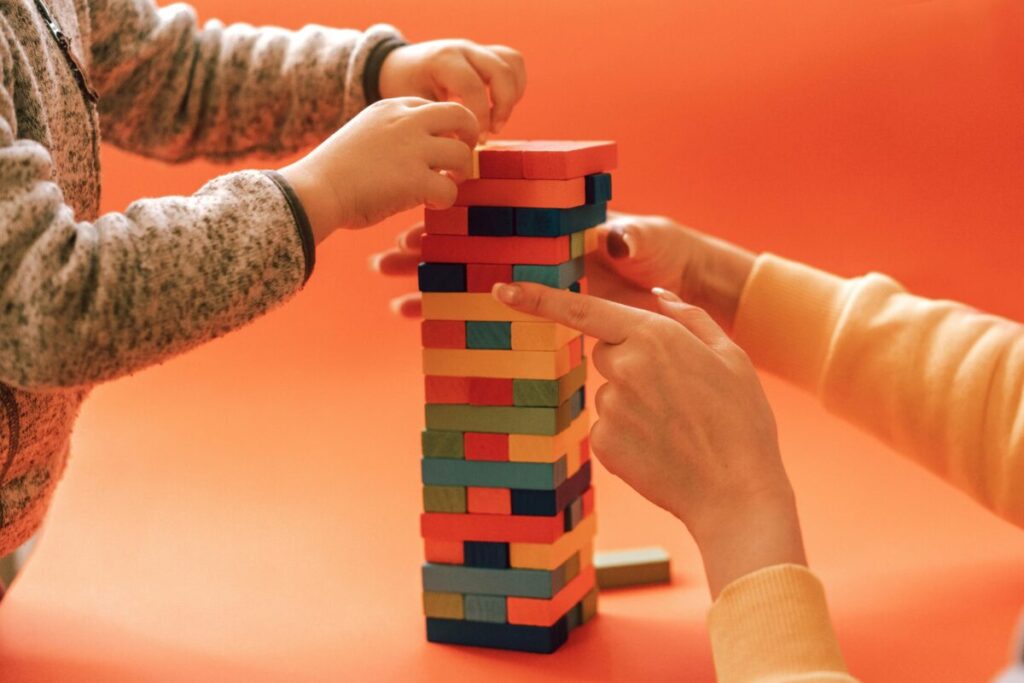
- The Puzzle Prototype: You might notice them trying to fit shapes into sorting toys, stacking four to six blocks into a tower, or turning knobs, handles, and lids with absolute, quiet determination.
- Two-Step Directives: Their receptive language is sharp, meaning if you say, “Pick up your shoes and bring them to the door,” they can usually follow both steps of the instruction without getting completely distracted halfway through.
- Early Pretend Play: They are starting to mimic real life during playtime, so you might see them pretending to feed a stuffed animal with an empty spoon, talking on a fake phone, or putting a blanket over a doll.
And if your toddler isn’t doing every single thing on these milestone lists yet, try not to panic or fall into a late-night Google spiral about it. Toddlers develop in such uneven, random ways sometimes.
One month they seem completely focused on talking nonstop and learning new words, and then suddenly the physical stuff slows down for a bit. Other kids are climbing everything in sight but barely interested in speaking yet. It really can vary so much.
Honestly, development doesn’t happen in this perfectly balanced, step-by-step way the internet sometimes makes it sound.
Keep an eye on the bigger picture, trust your instincts when something truly feels off, keep up with your pediatrician visits, and try to focus more on how your own child is growing instead of constantly comparing them to milestone charts or other toddlers online.
The Clinging Shadow: How to Handle 21 Month Old Separation Anxiety

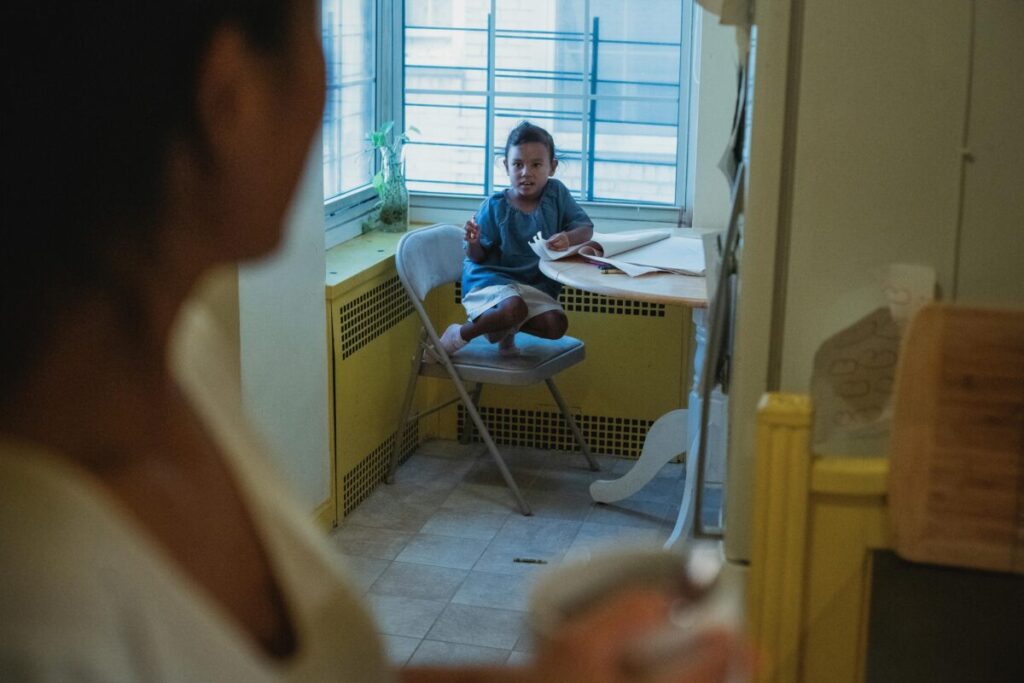
And just when you start thinking, “Okay… maybe we’re finally getting a little independence here,” something shifts again. Suddenly your toddler, who was happily wandering around the house playing on their own for ten whole minutes last week, now needs to be attached to you like a tiny emotional support koala 24/7.
A lot of parents get caught off guard by this stage. One minute your toddler seems super confident and independent, and the next they’re crying because you walked into the kitchen without them. Random fears can pop up out of nowhere too — the vacuum cleaner becomes terrifying, the blender is apparently evil, and even closing the bathroom door can feel like a personal betrayal to them.
Honestly, it can feel exhausting and confusing, especially when it seems to happen overnight.
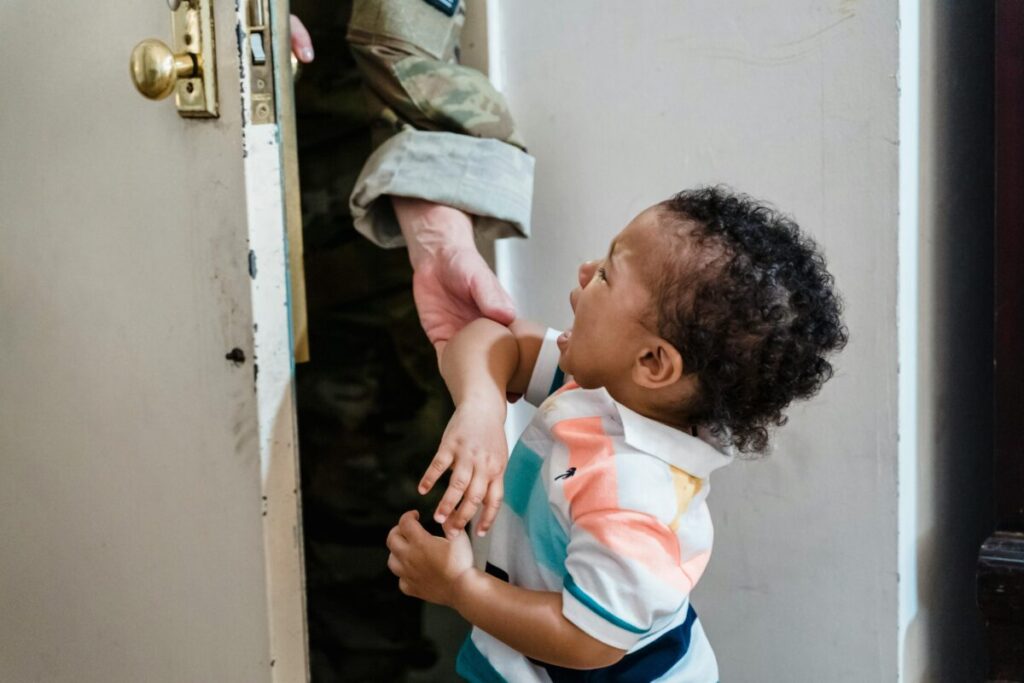
This deep emotional shift often leads to a major 21 month old separation anxiety surge that can turn your daily routine upside down, making them scream when dropped off at childcare, cry hysterically if you walk into the kitchen to grab a glass of water, or experience sudden bedtime resistance because they are terrified of being away from you in the dark.
A couple weeks ago, I hit one of those moments where I just felt completely done. It had been a long day of tantrums, whining, transitions, and my toddler wanting to be attached to me every second. I’m not even exaggerating when I say he followed me everywhere for hours. If I stood up, he stood up. If I walked into another room, he was right behind me crying.
At one point I tried to go to the bathroom alone for literally one minute, and the second I closed the door he grabbed onto my jeans and started screaming like I had abandoned him forever.
And honestly, by that point I felt so overstimulated and touched-out I could barely think straight anymore.
Luckily my husband walked in the door around then and took over for a bit, and I immediately escaped to the kitchen pantry. I shut the door, sat down on the floor in the dark, grabbed a cold Coke from the fridge, and just sat there quietly for a few minutes doing absolutely nothing.
It didn’t magically fix the clinginess or separation anxiety. But it gave me a second to breathe and calm my nervous system down before going back out there again.
And sometimes, as a parent, those tiny little reset moments matter more than we admit.
When you are actively figuring out how to handle 21 month old separation anxiety, remember that this clinginess is actually caused by their growing intelligence because they now understand that you exist even when you aren’t in the room, and they are terrified of missing out on your safety. To ease the stress, never sneak out of the house or slip away when they aren’t looking because that actually breaks their trust and makes the anxiety much worse; instead, create a short, confident, and loving goodbye ritual, reassure them that you always come back, keep your departures brief, and remember it’s an exhausting phase, but it’s a beautiful sign of their deep attachment to you. And if you’re navigating these sleep struggles alongside separation anxiety, you might find my guide helpful: [The Crib to Bed Transition: How to Move Your Toddler Without Losing Your Mind] — it covers how to make that big move when your toddler is already feeling a little extra clingy.When you are actively figuring out how to handle 21 month old separation anxiety, remember that this clinginess is actually caused by their growing intelligence because they now understand that you exist even when you aren’t in the room, and they are terrified of missing out on your safety. To ease the stress, never sneak out of the house or slip away when they aren’t looking because that actually breaks their trust and makes the anxiety much worse; instead, create a short, confident, and loving goodbye ritual, reassure them that you always come back, keep your departures brief, and remember it’s an exhausting phase, but it’s a beautiful sign of their deep attachment to you.
Pull up a chair, mama. There’s more:
If you are currently hiding in the pantry with a snack while your toddler bangs on the door (no judgment, we’ve all been there), here are a few more brutally honest guides to help you survive the next chaotic phases:
- ⚡ How we survived last month: Revisit the stubborn pre-two phase in The Wild and Unfiltered Guide to 22 Month Milestones: Surviving the Pre-Two Chaos.
- Bedtime Battles: Why Your 2-Year-Old Is Suddenly Afraid of the Dark (and 14 Other Excuses)
- The Gentle Goodbye: A Real-Talk, 1,300+ Word Guide to Weaning Your Toddler (Without the Heartbreak)
- The Screen Time Struggle: A Guilt-Free Guide for Toddler Moms
You Are Doing an Incredible Job in the Trenches
Take a second and realize how far you’ve already come. You made it through the newborn fog, the sleepless nights, the crawling chaos, and now somehow you’re raising a loud, emotional, hilarious little toddler with very strong opinions about snacks and absolutely everything else.
And honestly? Some days this stage feels really hard.
The days can feel so long right now. The nonstop talking, the tantrums in public, the clinginess, the constant “mine!” at the playground — it’s exhausting in a way people don’t always talk about enough. Some afternoons you’re already drained before lunchtime even hits.
But this phase won’t last forever, even though it feels endless when you’re in the middle of it.
Some days you’ll stay calm through every meltdown and feel like you really handled things well. Other days you’ll hide in the kitchen for two minutes eating chocolate or drinking a cold soda in silence just to reset your brain a little. Honestly, both versions of you are normal.
You do not have to be a perfect parent to be a good mom.
Your child doesn’t need someone calm and patient every second of every day. They just need someone who keeps showing up, keeps loving them through the chaos, and keeps being their safe place when their tiny world suddenly feels too big and overwhelming.
I see you, mama. You are doing a beautiful job, your toddler thinks you are the entire center of the universe, and we are going to get through these 21 month milestones together, one cold drink and one quiet pantry escape at a time. We’ve got this.
Medical Disclaimer: Hi mama! Just a quick reminder that while I love sharing my raw, real-world parenting experiences, tips, and sanity-saving tricks, I am not a pediatrician, child psychologist, or certified medical professional. The information on tinycaretips.com is meant for educational and supportive purposes only. Every baby develops on their own fluid, beautiful timeline. If you have any specific concerns about your toddler’s behavior, vocabulary development, or growth, always consult with your pediatrician. You’re doing an amazing job!