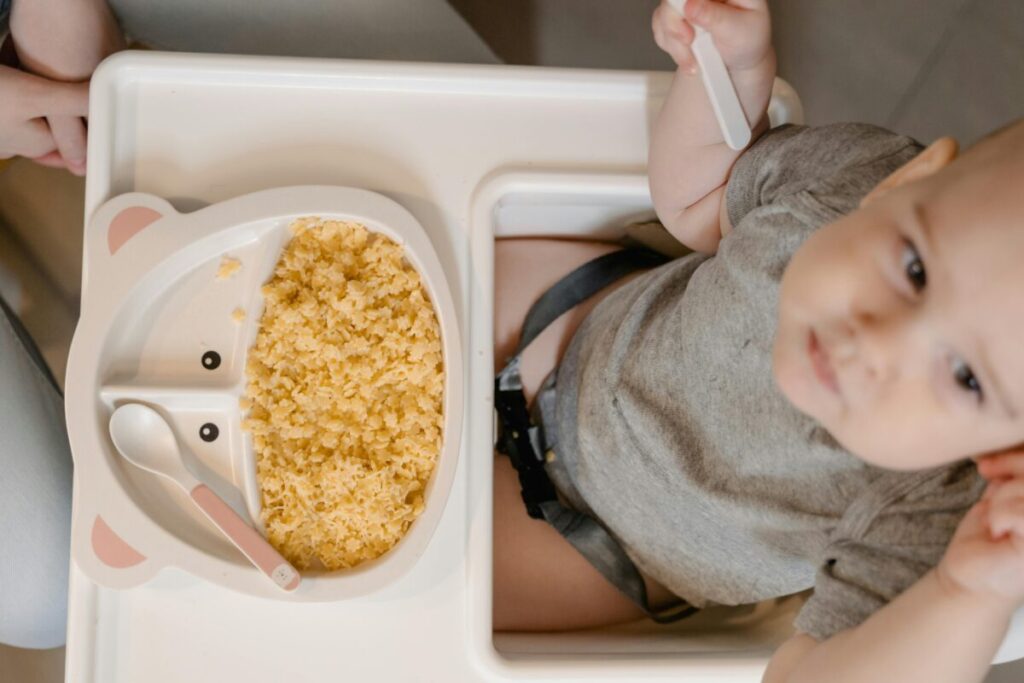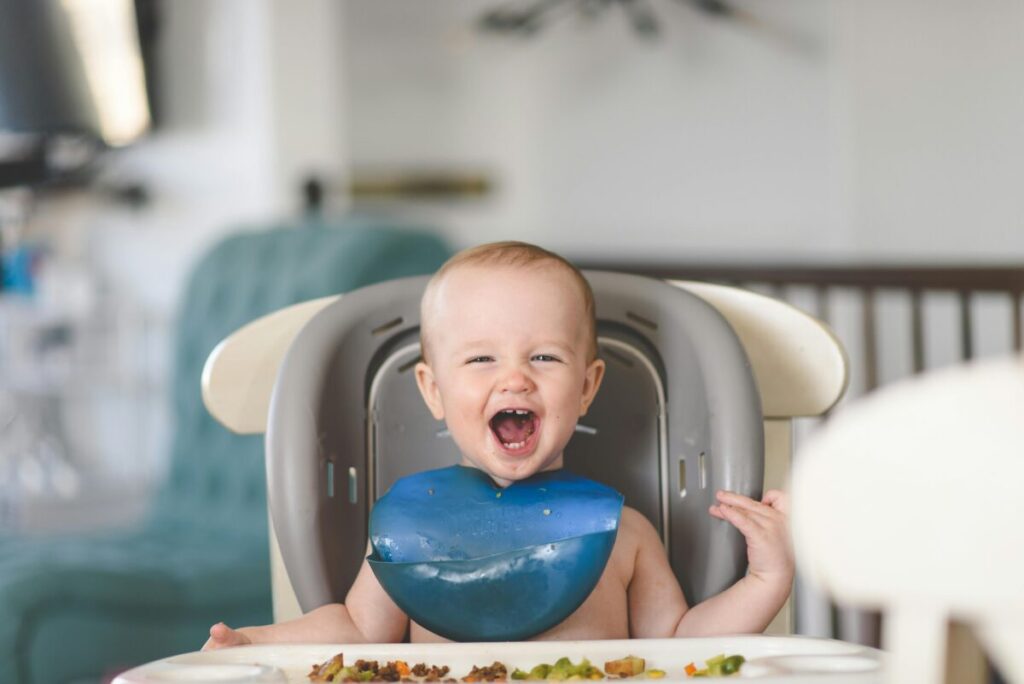
What is the ideal 14 month old feeding schedule? A balanced daily routine for a 14-month-old toddler should include three main meals and two structured snacks spaced 2.5 to 3 hours apart, with a total daily milk intake of 16 to 24 ounces (480–710ml) and 1 to 4 cups of water. The focus at this stage is on encouraging self-feeding with healthy finger foods and transitioning completely from baby bottles to straw or open cups.
Can we all just take a collective, deep, caffeine-fueled breath? Because if you are sitting here reading this with a fourteen-month-old toddler currently trying to paint your living room wall with mashed avocado, welcome to my daily circus. You survived the first birthday, but wait—nobody warned us how fast the scenery changes. Yesterday, my sweet boy was happily swallowing whatever puree I spoon-delivered to his mouth. Today? He literally grabbed the spoon, threw it at our cat, and stared me down.
Figuring out a consistent 14 month old feeding schedule is just… a lot. It is not even about the food anymore, but let’s be real—it’s a high-stakes power struggle over cups, pure independence, and sudden food strikes. We are in the thick of it, and honestly… if you’re in this stage too, you already know how wild this gets.
I remember one morning not that long ago — I made what I thought was the “perfect” breakfast. Eggs, toast, fruit… the whole thing. He looked at it, picked up one piece, dropped it on the floor… and that was it. Breakfast over. I just stood there like… okay. Cool. Glad I tried.
When the Mess Meets the Living Room: My Daily Reality Check
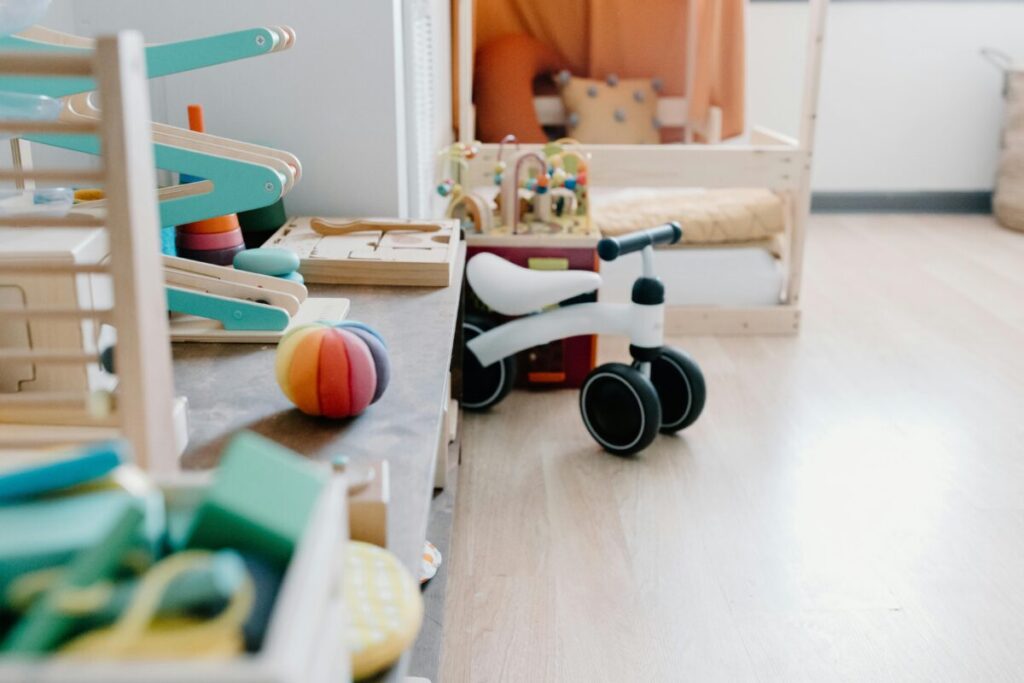
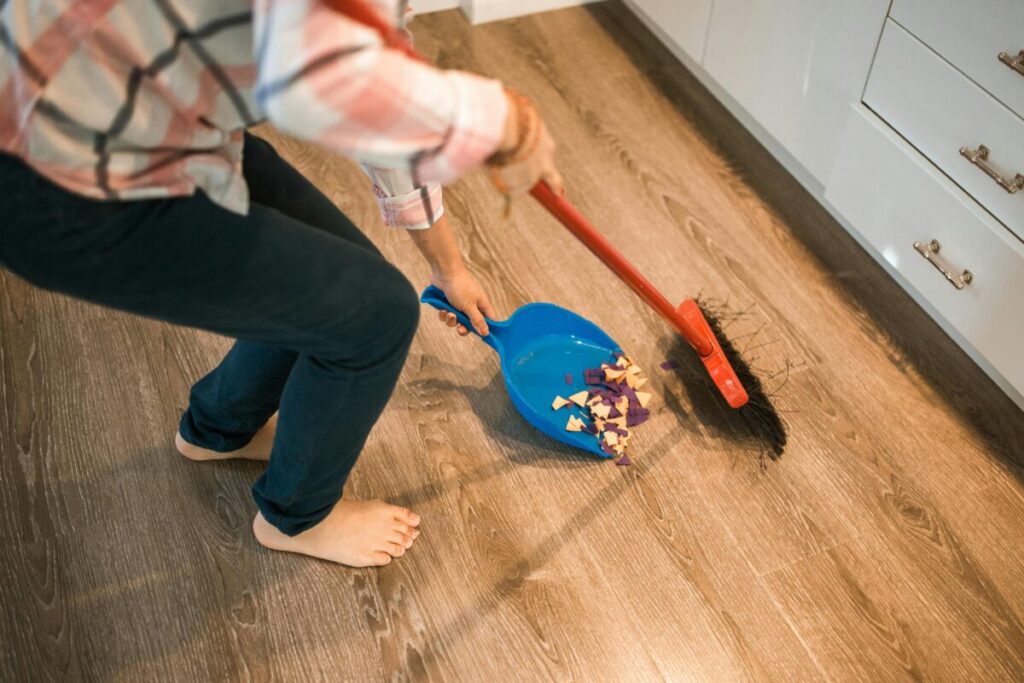
Some days, trying to balance keeping a clean house, writing, and raising a toddler feels like trying to ride a unicycle on a tightrope while juggling flaming torches. I’ll spend an hour tidy-cleaning the living room, sorting those colorful plastic blocks into their designated Target bins, and sweeping up the endless trail of pet dander. I try to apply that same organization to our 14 month old feeding schedule, hoping everything will run smoothly. It feels structured. It feels under control.
And then the second I step into the kitchen to prep a meal… yeah. Reality hits me like a flying wet noodle.
There is absolutely nothing that humbles you quite like spending time wiping down the baseboards, only to walk into the kitchen and find your toddler systematically dropping steamed broccoli florets onto the floor to see if they bounce. You go from “organized homemaker” to “floor-cleanup crew” in approximately three seconds flat. It’s just constant. Like you clean… and two minutes later it looks like something exploded on your floor again.
The Morning Rush and the Cup Dilemma
Our mornings usually start earlier than I care to admit. By 6:30 AM, he’s up and babbling. The very first thing on the agenda is breakfast and hydration, And this is where things start getting messy — the whole cup situation. We are saying a firm goodbye to the bottles and trying to get comfortable with open cups or straw cups.
This brings us to the big question: how much milk should a 14 month old drink?
| Milk Source / Type | Recommended Daily Range |
| Whole Cow’s Milk (or alternative) | 16 to 24 ounces (approx. 480–710ml) |
Sheets-ში ექსპორტი
The general recommendation from pediatricians is around 16 to 24 ounces (which is roughly 480ml to 710ml) of whole milk per day. Here’s the catch: if your toddler is still chugging milk from a bottle like it’s their primary source of life, they are going to refuse their actual food. At this age, milk is a companion to meals, not the main event.
When we were working on this transition, I realized that if I offered a full cup of milk right when my son woke up, he would completely ignore his breakfast. So now, the routine looks a bit different. He gets a few sips of water from his straw cup first thing in the morning to hydrate, and then we sit down for breakfast. The milk comes with the food, served in a sturdy weighted straw cup or a trainer cup. It prevents him from filling up on liquid before he even takes a bite of his eggs.
Honestly? No. Let me just say it – Last Tuesday, I tried to introduce a new, fancy open cup because I saw some influencer mom doing it on social media. I was obsessing over how much milk should a 14 month old drink at one sitting, so I poured exactly four ounces of whole milk into it, handed it to him, and within two seconds, he dumped the entire thing down his pajama shirt, smiled, and clapped. I spent the next twenty minutes cleaning milk out of the high chair straps while he sat there shirtless, eating a piece of dry toast. So yeah, we are back to straw cups for now.
Simple Breakfast Wins (No Culinary Degree Required)
When you are trying to build a solid 14 month old feeding schedule, breakfast needs to be fast, reliable, and loaded with the right nutrients to fuel all that walking and climbing. I used to think I had to make these elaborate, beautiful breakfast platters. Let’s be real: nobody has time for that on a Tuesday morning. If you need more inspiration for those busy mornings, be sure to check out my 10-Minute Toddler Breakfasts: When You’re in a Rush.
Our go-to breakfast rotation relies heavily on simple, healthy finger foods for 14 month old toddlers that are easy for them to grab but don’t pose a choking hazard.
Our go-to breakfast rotation relies heavily on simple, healthy finger foods for 14 month old toddlers that are easy for them to grab but don’t pose a choking hazard.
- The Soft Scramble: One egg scrambled with a splash of whole milk and a tiny pinch of cheese, cooked in butter so it stays nice and soft.
- The Banana Pancake Batch: I make these in bulk over the weekend (just banana, egg, and a spoonful of oat flour), freeze them, and pop them in the toaster on busy mornings.
- The Loaded Oatmeal: Thick rolled oats cooked with whole milk, with a big spoonful of peanut butter or almond butter stirred in for those crucial healthy fats.
The goal here is self-feeding. Yes, they will get oatmeal in their hair. Yes, you will find scrambled egg bits in the cuffs of their pants. But letting them pinch, grab, and smear their food is how they develop their fine motor skills and learn to love eating.
The Late-Morning Slump: 10:30 AM Snack Time
Around mid-morning, right before the midday nap, my toddler’s energy starts to dip. This is where a strategic snack comes into play. The goal of a toddler snack isn’t to stuff them so they skip lunch; it’s to keep their blood sugar stable so they don’t turn into a screaming wrecking ball before their nap.
Actually—this reminded me of something last week, I spent forty minutes making these adorable, tiny homemade sweet potato muffins. I even used those fancy silicone liners, thinking they’d be the perfect new addition to our 14 month old feeding schedule. But wait—he took one look at them, squeezed them into mush between his fingers, and fed the crumbs directly to our dog. I literally sat on the kitchen floor and wanted to cry. Now? I just give him a cheese stick or some sliced banana and call it a day.
[7:30 AM] Breakfast (Eggs, Toast, Berries + Milk)
|
[10:30 AM] Mid-Morning Snack (Avocado or Cheese + Water)
|
[1:00 PM] Lunch (Deconstructed Plate + Sips of Milk)
|
[4:00 PM] Afternoon Snack (Yogurt or Soft Fruit + Water)
|
[6:30 PM] Family Dinner (Family food chopped into small pieces)
For this snack, I focus on hydration and healthy fats. I’ll offer some sliced, very ripe avocado cubes or a few small pieces of pasteurized whole-milk cheese. I also make sure his water cup is nearby.
If you are wondering how much water your little one should actually be getting alongside their milk, aim for about 1 to 4 cups (which translates to roughly 240ml to 960ml) of water spread out throughout the entire day. I find that keeping a small, spill-proof straw cup in his play area makes it easy for him to take independent sips whenever he needs a break from building block towers.
That was the moment I realized… yeah, we’re keeping snacks simple for a while.
Lunchtime and the Dreaded Food Strike
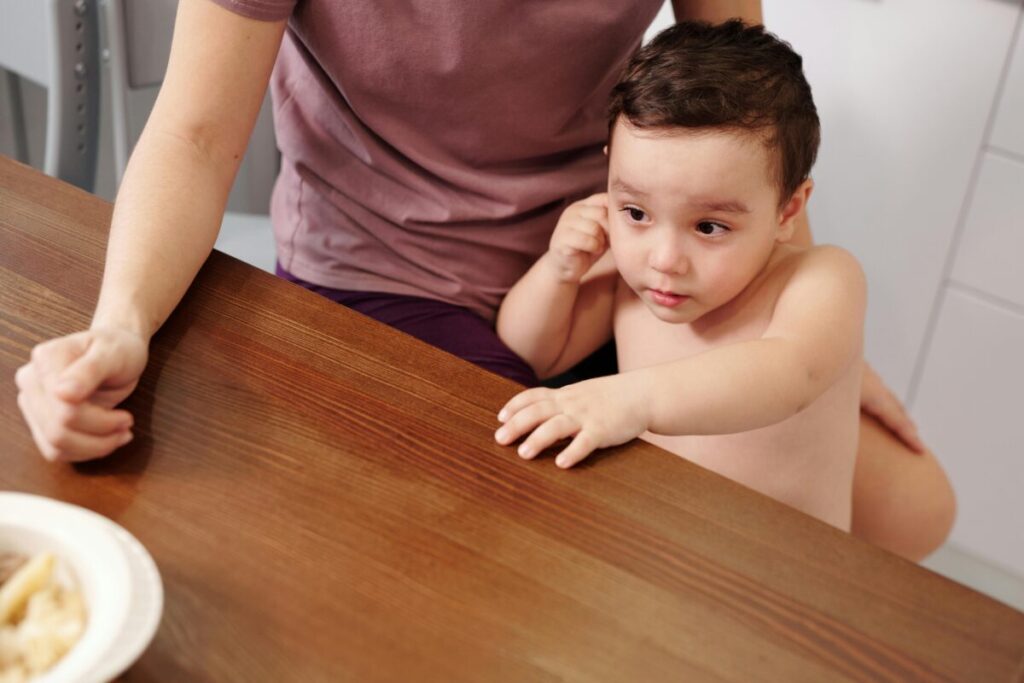
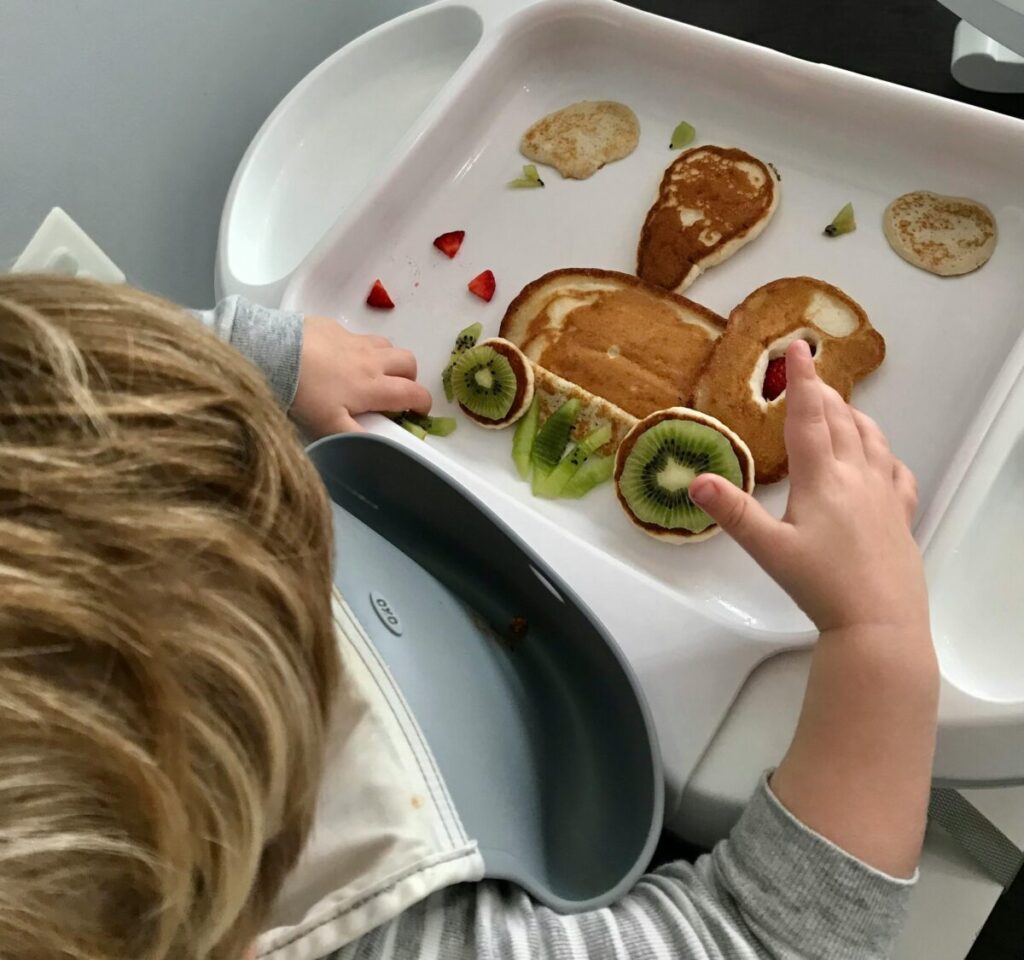
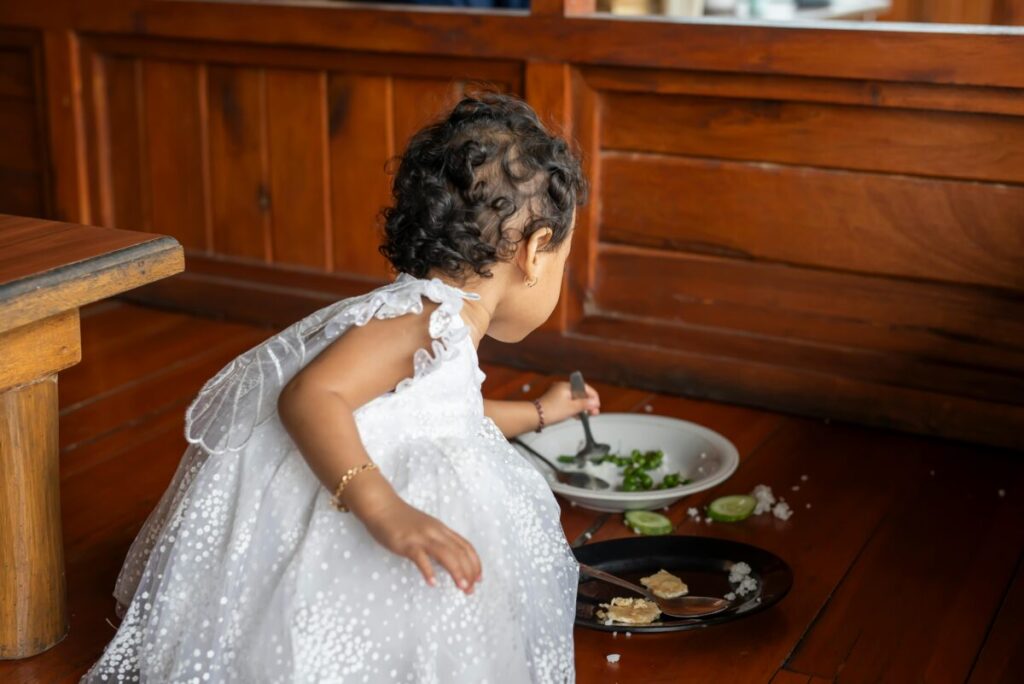
Lunch is usually served around 1:00 PM, right after he wakes up from his nap. This is the time of day when you are most likely to encounter a toddler refusing to eat at 14 months.
It can be incredibly disheartening. You spend time prepping a lovely, balanced plate, you sit them down, and they take one look at it, shake their head, yell “No!” and push the entire plate away. Or worse, they feed it directly to the dog.
If you are dealing with this, take a deep breath. It is completely normal. Remember, this is a developmental phase, not a permanent state of affairs. If you need more help, check out my guide: Toddler Food Refusal: 7 Proven Strategies to End the Dinner Battle, where I break down actionable ways to turn these stressful moments into peaceful meals.
I’ve had days where he refused lunch completely… and then asked for snacks ten minutes later like nothing happened. Like—sir? We just did this. It makes no sense, but apparently that’s toddler logic.
And this is the part no one really prepares you for… around fourteen months, toddlers start realizing they actually have control. And the easiest thing to control? What goes into their mouth. This developmental milestone is usually the main culprit behind a toddler refusing to eat at 14 months—they realize they can just say “no” and there is very little you can do about it.
Their growth slows down a bit too, which means their appetite is all over the place. Some days they’ll eat like a teenager after football practice… and other days? Two blueberries and vibes.
When he goes on a lunch strike, I don’t force it. I leave the food on his tray for about fifteen to twenty minutes. If he plays with it or ignores it, I calmly take the plate away without making a fuss. If you turn mealtime into a battleground, they will win every single time.
To make lunch more appealing during these picky phases, I rely on easy-to-manage, healthy finger foods for 14 month old kids that feel like play. I’ll make a plate of “bento-style” items:
- Deconstructed turkey and cheese rolls (cut into tiny, bite-sized pieces).
- Steamed, super-soft sweet potato fries that he can dip into a little bit of plain whole-milk Greek yogurt.
- A few well-cooked, squished green peas (always smash round foods like peas or blueberries slightly to prevent choking!).
The Evening Confession: From Foodie Dreams to Reality
By the time 6:00 PM rolls around, the exhaustion of the day peak-levels. I am a foodie mom. I genuinely love reading up on the latest pediatric nutrition research, planning healthy menus, and dreaming of raising a child who happily eats quinoa and roasted asparagus.
But let’s be entirely real: some days, the tank is completely empty.
You’ve had a grueling day, you’ve cleaned up spilled milk three times, and the thought of standing over a hot stove to cook a three-course ancestral meal makes you want to cry—especially when you are already dealing with a toddler refusing to eat at 14 months and every meal feels like a battle. There have been nights where I’m so incredibly tired that I completely abandon my kitchen plans. I’ll open an app and order myself a massive, garlic-sauce-dripping local shawarma and a freezing cold can of Coca-Cola, while my toddler happily munches on a simple plate of leftover shredded chicken, steamed zucchini, and sliced strawberries.
And you know what? That is not failing. That is survival. Your child does not need a gourmet chef; they need a happy, sane parent. If your dinner routine sometimes involves paper plates and a side of takeout for yourself, give yourself a massive pat on the back for getting through another day.
The 3 AM Trenches: Yes, Still.

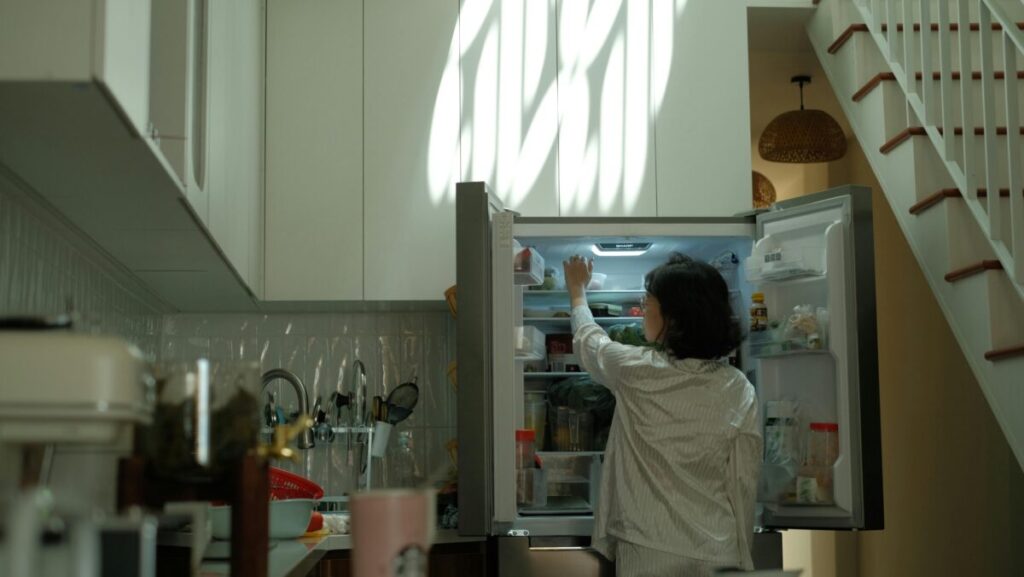
You would think that once a baby hits fourteen months, the nights of wandering the halls like a zombie would be long gone. But toddlerhood has a funny way of throwing curveballs. Just when you think you’ve established a perfect 14 month old feeding schedule and your sleep routine is gold, they hit a developmental leap, a late-night teething storm, or a sudden burst of separation anxiety.
Suddenly, you find yourself right back in those familiar 3 AM trenches. You’re sitting on the floor of the nursery in the pitch black, humming a lullaby, wondering how on earth a human so small can have so much energy in the middle of the night.
Okay, real confession… last week, one of those brutal 3 AM nights — you know the ones — he was screaming so loud I was genuinely convinced the neighbors were about to knock on the door.
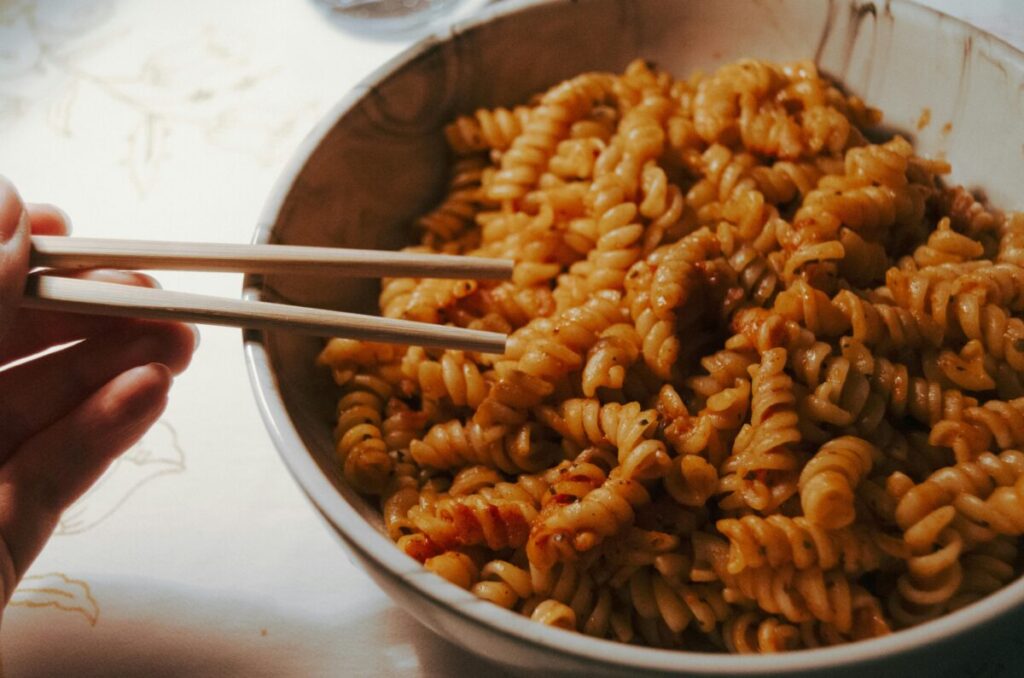
I was standing there in my pajamas, half asleep, staring into the fridge like it was going to give me answers… and then I just grabbed the leftover macaroni and started feeding it to him straight from the container. With my hands. No plate, no plan, nothing.
Five minutes later he passed out. Covered in cheese sauce. I was covered in cheese sauce. The kitchen was… yeah.
Not my finest parenting moment. But honestly… it worked. And at 3 AM? that’s kind of all that matters.
When these nights happen, I try to remind myself that it is all connected. Sometimes a daytime food strike or a sudden refusal of solids is just a sign that their mouth is sore from incoming molars, which leads to those disrupted nights. On days like that, even the best healthy finger foods for 14 month old toddlers—the ones they usually love to grab—get completely ignored. If he is too fussy to sleep, I focus on comfort first, keep the lights low, and remind myself that this, too, is just a temporary phase.
Okay… if I had to actually explain what our day looks like (on a good day…)
If you need a quick, scannable guide to print out or keep on your phone for those chaotic days, here is how a balanced, highly successful 14 month old feeding schedule looks in practice:
- 7:00 AM – Wake Up: A few sips of water to start the day.
- 7:45 AM – Breakfast: Scrambled egg with cheese, toast strips, and a small cup of whole milk (around 4 to 6 ounces or 120-180ml).
- 10:30 AM – Morning Snack: Slices of soft avocado or a small cheese stick, served with water.
- 12:30 PM to 2:00 PM – Midday Nap: Rest time for both of you!
- 2:15 PM – Lunch: Soft turkey pieces, steamed sweet potato wedges, and sliced, squished berries, with sips of water.
- 4:30 PM – Afternoon Snack: A small bowl of whole-milk Greek yogurt with a pinch of cinnamon, served with water.
- 6:30 PM – Family Dinner: Whatever the family is eating (pasta, soft meat, cooked veggies), cut into safe bites, served with a small cup of whole milk.
- 7:30 PM – Bedtime Routine: Reading, winding down, and heading to sleep.
Every child is unique, so don’t sweat it if your times shift by an hour or two. The most important thing is keeping the spacing between meals and snacks consistent—usually about 2.5 to 3 hours—so they arrive at the table with a healthy appetite.
But wait, before you go… > If you are currently sitting in the trenches of toddlerhood and trying to figure out the next steps of this crazy journey, you are definitely not alone. Here are a few other guides I wrote while staring at my own messy kitchen floor:
- Struggling with the formula-to-milk transition? Read my honest take: Is Toddler Milk a Marketing Scam? The Truth About Formula vs. Whole Milk
- Tired of your dinner ending up on the dog? Check out: The Toddler Dinner Battle: How to End the “No Veggies” War Without Losing Your Mind
- Still dealing with late-night wake-ups? Relive the madness with: The 3 AM Club: Survival, Drool, and the Baby Teething Relief That Actually Works
- Need a realistic blueprint for this transition phase? Read: The 15 Month Old Feeding Schedule: Toddler Food Strikes, Cup Transitions, and Kitchen Chaos – A complete sanity-saving guide for navigating the daily mess.
You Are Doing Amazing, Mama
At the end of the day, feeding a toddler is less about following a perfect set of rules and more about learning to go with the flow. Some days will feel like an absolute triumph, where they eat every single thing on their plate and actually use their cup without spilling a drop.
But wait, other days will be a total disaster. You will find yourself vacuuming dried, crushed cereal out of your rug while wondering how they can possibly survive on three bites of cheese and half a grape.
Be patient with them, but most importantly, be patient with yourself. You are navigating a major developmental transition right alongside your little one. Keep offering those healthy finger foods for 14 month old toddlers, keep those cups of milk balanced, and don’t panic when the food strikes happen.
Now, go enjoy that hot coffee (or that cold Coke!) while they are sleeping. You’ve earned every single sip.
Disclaimer: Just a quick heads-up, mama: I’m a mom sharing my lived-in experiences and hard-won kitchen victories, not a pediatrician or a certified nutritionist. Every toddler is beautifully unique. Always consult with your pediatrician before making any major changes to your child’s diet or if you have specific medical concerns. We’re all just doing our best!