
The Short Answer: For most healthy children over 12 months, toddler milk is NOT necessary. Pediatricians and major health organizations like the WHO and AAP agree that a balanced diet of whole cow’s milk and solid foods provides all the nutrients a toddler needs without the added sugars and high price tag of “Stage 3” formulas.
Many parents standing in the baby aisle often wonder, is toddler milk necessary for their growing child? One minute you have a newborn, and the next… you’ve got a toddler. It happens so fast. One minute you’re finally done with bottles and pumping… and the next? You’re standing in the pharmacy aisle, squinting at a wall of silver and gold cans labeled ‘Stage 3’ or ‘Growing-Up Milk,’ not knowing what to pick.
I’ve been there. Trust me. I still remember one specific, blurry Tuesday afternoon. I stood there for like twenty minutes, just going back and forth. I was clutching a cold gallon of regular whole milk in one hand and staring at a $30 can of toddler formula in the other. I felt like a total failure. I kept thinking, “If I just buy the regular milk, am I being a ‘cheap’ mom? Is he going to miss some critical brain-building nutrient because I didn’t buy the fancy silver can?”
That guilt hits hard, doesn’t it? It shows up in the grocery store, making us feel like “basic” just isn’t enough for our kids. But once I actually looked into it, I realized that the question—is toddler milk necessary—has a much, much simpler answer than the big brands want you to find.
So… What is Toddler Milk Exactly? (Ingredients and Facts)

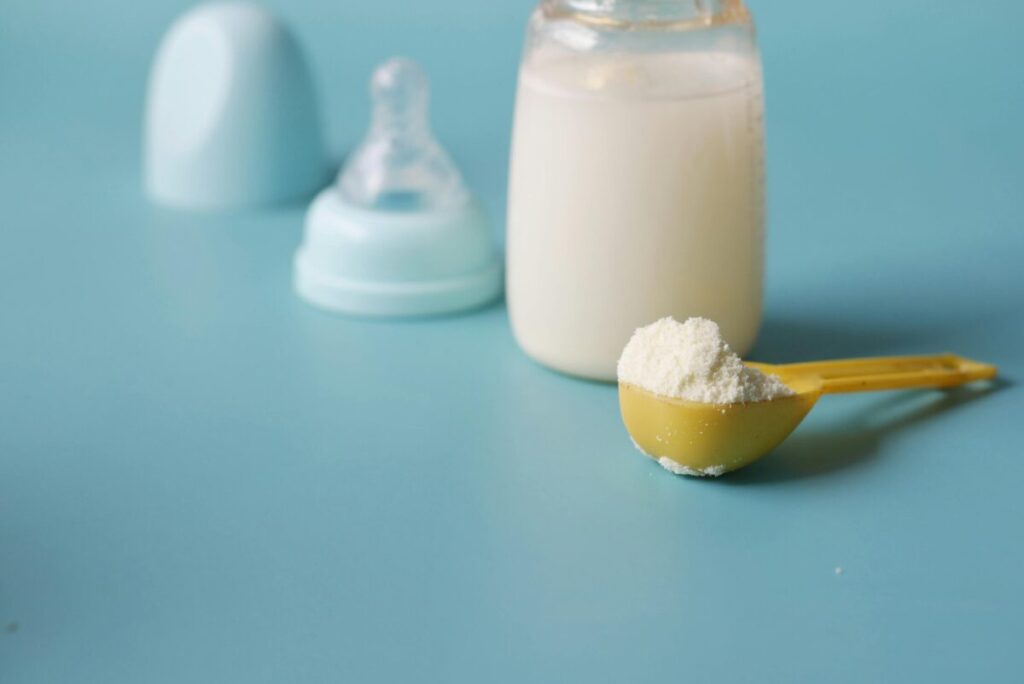
Before we get into the ‘scam’ talk, let’s answer the big question: is toddler milk necessary or just clever branding? Let’s look at what’s actually in these cans. Toddler milk is basically powdered cow’s milk with extra vitamins added in. Sounds okay, right? Well, it’s also packed with a laundry list of additives that you won’t find in your fridge.
What surprised me was this: unlike infant formula, which is strictly regulated (because it’s a baby’s only source of food), toddler milk is basically the Wild West. Since it’s just a “beverage” for kids over twelve months, it doesn’t have to meet those same crazy-high nutritional standards.
The way brands sell it is as a ‘bridge’ for picky eaters. But if you’re struggling with a child who refuses real food, you might find my guide on how to end the toddler dinner battle more helpful than a sugary drink.
Why This Stuff Is So Expensive (And Why We Still Buy It)
And yeah… let’s talk about the price for a second, because, let’s be honest, parenting is expensive enough. Transitioning to whole milk is supposed to be the one time things actually get cheaper. A gallon of organic whole milk is a tiny fraction of the cost of those powders.
This stuff is a huge business because parents are constantly asking is toddler milk necessary when their kids hit the picky eating stage. Why? Because they know we’re terrified of our kids not eating enough. By slapping words like “Brain Support” or “Immune Shield” on the label, you end up paying way more than you actually need to.
They aren’t selling milk; they’re selling us an escape from our own anxiety—anxiety we could probably fix with a $4 carton of eggs and some spinach.
My “Sugar Shock” Moment (And Why I Was Mad)

I’m the type of mom who checks every label. But even I was floored when I finally turned that Stage 3 can around. While I was obsessing over whether toddler milk was actually necessary for his brain, the manufacturers were busy sneaking in corn syrup solids, maltodextrin, and straight-up cane sugar.
Why? Because toddlers are smart (and stubborn). If a drink tastes like a vanilla milkshake, they’re going to drink it, and the parents are going to keep buying it. Whole milk has natural lactose, but these formulas often have extra sweeteners that just aren’t needed.
I remember the exact moment I realized I was basically giving my son a vitamin-fortified soda disguised as milk. I was honestly annoyed. Here I was, steaming organic broccoli like a pro, while his “healthy” supplement was spiking his blood sugar right before his nap. Not cool.If you’re as worried about sugar intake as I am, you’ll want to read my deep dive into navigating the sugar struggle and setting healthy boundaries for toddlers.
Not cool. This experience was my first real clue that the answer to is toddler milk necessary is often a loud ‘no’ for healthy kids.
So what do doctors actually say?
If you’re still wondering, ‘is toddler milk necessary,’ don’t just take my word for it. While the labels boast about the nutritional benefits of toddler milk, big medical groups—the AAP (American Academy of Pediatrics), the WHO, and the European experts—are all pretty much on the same page: they aren’t needed for healthy kids.
The AAP is very clear: for the vast majority of healthy kids, toddler milk is not necessary. Period. Once they hit that one-year mark, they should be getting their nutrients from actual, real food.
- Whole Milk: Gives them the fat they need for brain growth, plus Vitamin D and Calcium.
- Solid Foods: That’s where the fiber, iron, and zinc should come from.
When we rely on these drinks, we might actually be making picky eating worse. Understanding the psychology of why toddlers say ‘no’ to new foods is way more effective than just giving them a sweet drink to fill them up.
When Is it Actually Useful? (Because Sometimes It Is)


Look, I’m not here to mom-shame. We’ve all got enough of that. While for most of us the answer to “is toddler milk necessary” is a no, there are definitely exceptions:
- Medical Stuff: If a child has serious growth issues or malabsorption problems, these drinks can be a lifesaver.
- The “Extreme” Picky Eater: I’m not talking about a kid who hates peas. I’m talking about kids with sensory issues or medical conditions where they barely eat anything at all.
- Access Issues: In places where fresh, healthy food is hard to get, fortified milks can prevent some serious deficiencies.
But for the average kid with a stocked fridge? It’s usually an expensive extra you don’t need.
The “Son Test”: Real Milk Won
After all my stressing and aisle-standing, the funniest part was my son’s reaction. I finally worked up the courage to just give him a cup of plain, organic whole milk.
I was bracing for a meltdown. Honestly, I thought he’d reject it. Instead? He chugged the whole thing. He actually liked it! He preferred the taste of real milk over that chalky, rehydrated powder. Seeing him happy with a simple cup of milk made all that “formula-guilt” feel so pointless and exhausting, and it finally gave me the answer to that nagging question: is toddler milk necessary?
It was a good reminder: sometimes the simple stuff is exactly what they need.
Whole Milk vs. Toddler Milk: A Quick Reality Check
If you’re standing in the aisle staring at the options, the cow’s milk vs toddler formula debate boils down to one thing: simplicity versus processing. One is a fresh, single-ingredient food, while the other is a complex mix of powders and oils. Here is a quick reality check to help you decide:
| Feature | Whole Cow’s Milk | Toddler Milk (Stage 3) |
| Price Tag | Budget-friendly | Super expensive |
| Main Ingredient | Fresh milk | Powder, oils, corn syrup |
| Hidden Sugars | None (just lactose) | Often loaded with corn syrup |
| Who Recommends It? | Pediatricians | Marketing departments |
| Preparation | Pour and go | Mix, shake, repeat |
FAQ: The Stuff We Actually Worry About
“But he won’t eat meat! What about iron?”
This is the big one. This is why we ask, “is toddler milk necessary.” Iron matters, for sure. But you can get it from beans, fortified cereal, spinach, or eggs. If you’re really stressed, I’ve mapped out how to fit these into the ultimate 12-month-old feeding routine so you can balance solids and milk without the guesswork. If you’re still worried, ask your doctor about iron drops. It’s way cheaper and doesn’t come with the added sugar.
“Is it the same as ‘Next Step’ formula?”
Yep. Different name, same marketing. Most parents start looking into these because they aren’t sure when to stop formula for toddlers, and brands capitalize on that confusion. It’s all just fortified milk drink marketed to make you feel like it’s essential for success.
“Can I just give him Almond milk?”
If there’s an allergy, maybe. But be careful—most plant milks (except soy or pea) are basically just water and don’t have the fat toddlers need. Always check with your doctor first.
“Does it really help them get smarter?”
Those DHA labels are tempting, I know. But your kid can get those same fats from eggs, salmon, or even nut butters. You don’t need a silver can for a smart kid!
So what’s the actual answer? Honestly… regular food is more than enough.
So, at the end of the day, is toddler milk necessary? For about 95% of us, the answer is a big, fat no.
The marketing departments at these companies are very good at their jobs. They know exactly how to push our buttons and make us feel like we’re failing if we don’t buy their products. They want us to stay in that formula aisle forever.
But here’s the truth: You’re doing great. Your toddler doesn’t need a “Stage 3” label to grow up strong. They need your patience, a lot of messy meals, and just regular, balanced food.
Stop the guilt. Save that money for a much-needed coffee or a bottle of wine (you’ve earned it!). Feel confident walking right past that silver can. You’ve got this, mama.
I swear I stood there forever wondering is toddler milk necessary. Tell me I’m not the only one? Let’s talk in the comments. Tell me I’m not the only one? Let’s talk in the comments.
Honestly… regular food is more than enough. If you’re at the stage where you’re ready to let go of the bottle or breast and fully embrace this new chapter of solids and whole milk, you don’t have to do it alone. My guide, The Gentle Goodbye: A Real-Talk Guide to Weaning, will help you navigate that transition without the heartbreak (or the expensive toddler milk).
Disclaimer: I’m a mom and a blogger, not your doctor! This post is based on my personal experience and research for Tiny Care Tips. Every kid is different, so please, please talk to your pediatrician before making big changes to your child’s diet, especially if they have health issues or special needs.