I remember sitting on the floor of the nursery the night after my little one’s first birthday, surrounded by wrapping paper scraps and a very expensive toy they preferred the box of, and just… sobbing. Not the cute, single-tear-down-the-cheek sob, but the full-blown, “where did my baby go?” ugly cry. It hits you like a freight train.
Suddenly, they aren’t “infants” anymore. They are toddlers. They have opinions. They have teeth. And most intimidatingly, they need a whole new way of eating. Finding the right 13 month old feeding routine feels a bit like trying to solve a Rubik’s cube while someone is screaming for Cheerios in your ear, but I promise, we can figure this out together over a giant cup of (probably cold) coffee.
Let’s be real, transitioning into this second year is a wild ride. One day you’re measuring formula scoops like a chemist, and the next, you’re wondering if a piece of floor-crust counts as a grain serving. The shift from “baby food” to “toddler meals” is messy, confusing, and involves a lot of laundry. But it’s also the start of a really fun chapter where they actually start eating what we eat—mostly. Um, except for the things they decide are “poisonous” today that they loved yesterday. Toddlers, right?
The Great Milk Migration
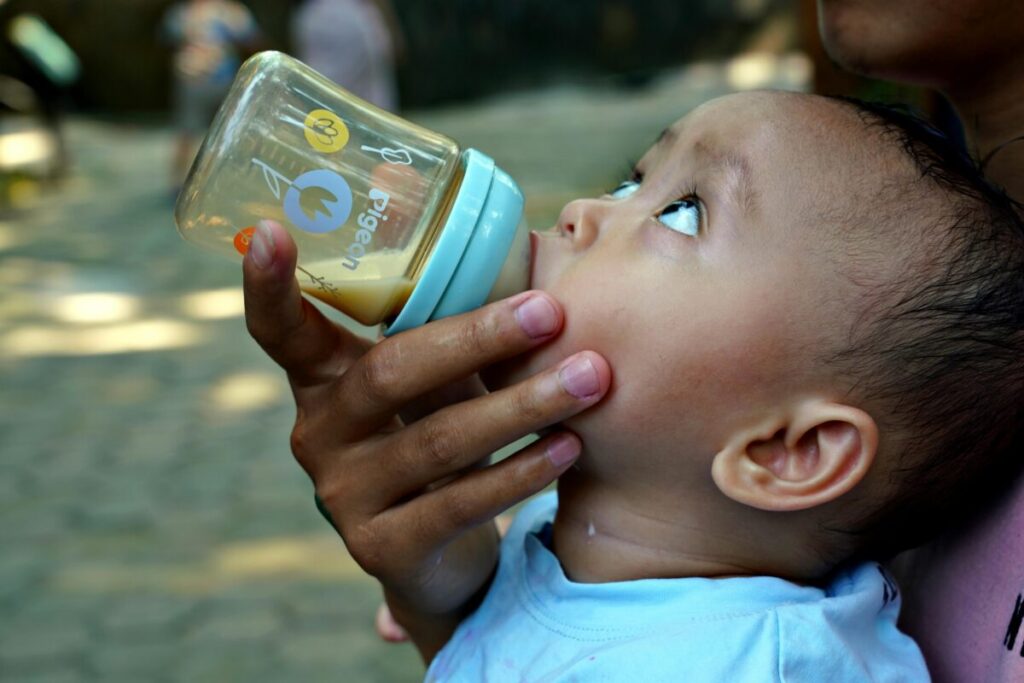

The biggest hurdle for most of us is transitioning from formula to whole milk at 13 months. If your house was anything like mine, those bottles were a security blanket—for both of you! I used to dread the 7 AM “demand” for a bottle because it was my only twenty minutes of peace. But our pediatricians are right: it’s time for the “real” stuff and a sturdy sippy or straw cup.
When I started the switch, I felt like a secret agent. I’d mix 75% formula with 25% whole milk, praying they wouldn’t notice the change in “vintage”. Slowly, over two weeks, the ratio shifted. Some kids take to it like ducks to water; others look at the cup like you’ve offered them a glass of liquid broccoli. If they refuse the whole milk at first, don’t panic. It’s a flavor and temperature shift. Try warming it slightly—just enough to mimic that familiar formula warmth—and remember that the goal is about $16 – 24$ ounces a day. Any more than that, and they might be too full to eat the actual nutrients they need from solid food.
Pro-tip: If you’re stressed about the mess of self-feeding, just know that your dog is about to become the cleanest floor-scourer in the neighborhood. Embrace the splat.
The “11 AM Snack Attack” and Other Timing Secrets
A solid 13 month old feeding routine isn’t just about what they eat, but when. Toddlers are like tiny, erratic clocks. If you miss the window for lunch by ten minutes, you aren’t just dealing with a hungry kid; you’re dealing with a “hangry” biological weapon. I try to stick to a “three meals, two snacks” rhythm.
Breakfast usually happens around 7:30 AM. Think oatmeal with smashed berries or a bit of scrambled egg. Then comes the 10:30 AM snack. This is usually when I’m trying to answer emails for the blog or fix a bug on the site. Let me tell you, trying to manage a toddler’s caloric intake while troubleshooting a website is harder than navigating 1C accounting programs at tax time or trying to calibrate my husband’s Samsung Odyssey G9 monitor after he “fixed” it. It takes a level of mental gymnastics that should be an Olympic sport. One minute I’m checking code, and the next I’m debating the structural integrity of a banana slice. Well, that’s mom life for you. If you find yourself struggling with those chaotic mornings, check out my favorite 10-Minute Toddler Breakfasts: When You’re in a Rush for some quick inspiration.
Healthy Toddler Meal Ideas for 13 Month Old Explorers
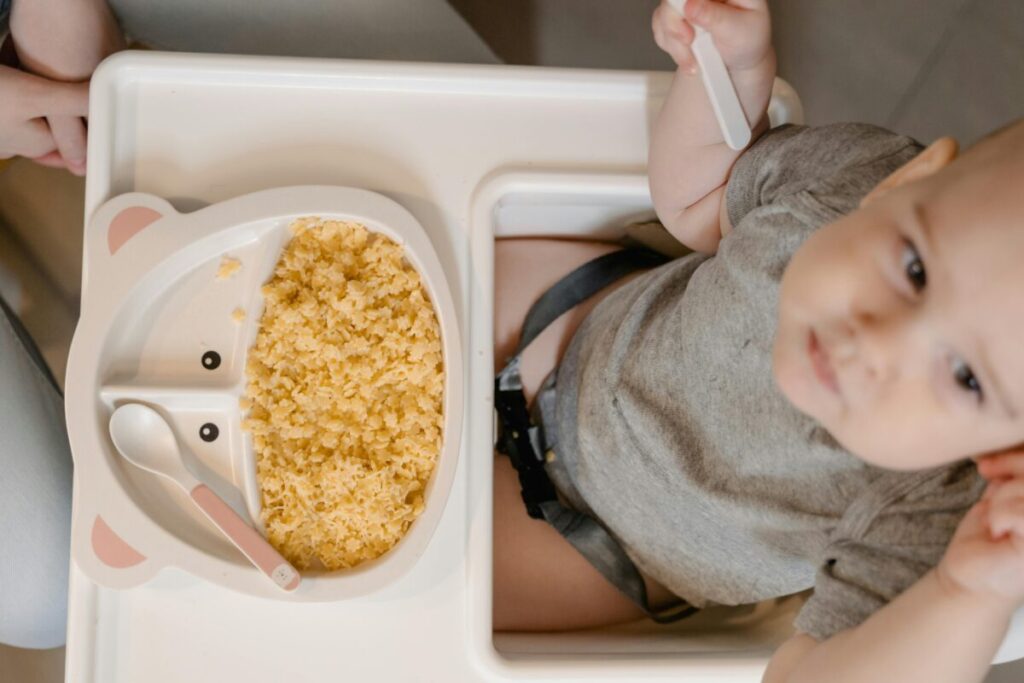
So, what do we actually put on the plate? When looking for healthy toddler meal ideas for 13 month old eaters, I try to think in “rainbows” (even if the current favorite color is ‘beige’). Here are a few things that actually worked for us without causing a kitchen-wide food fight:
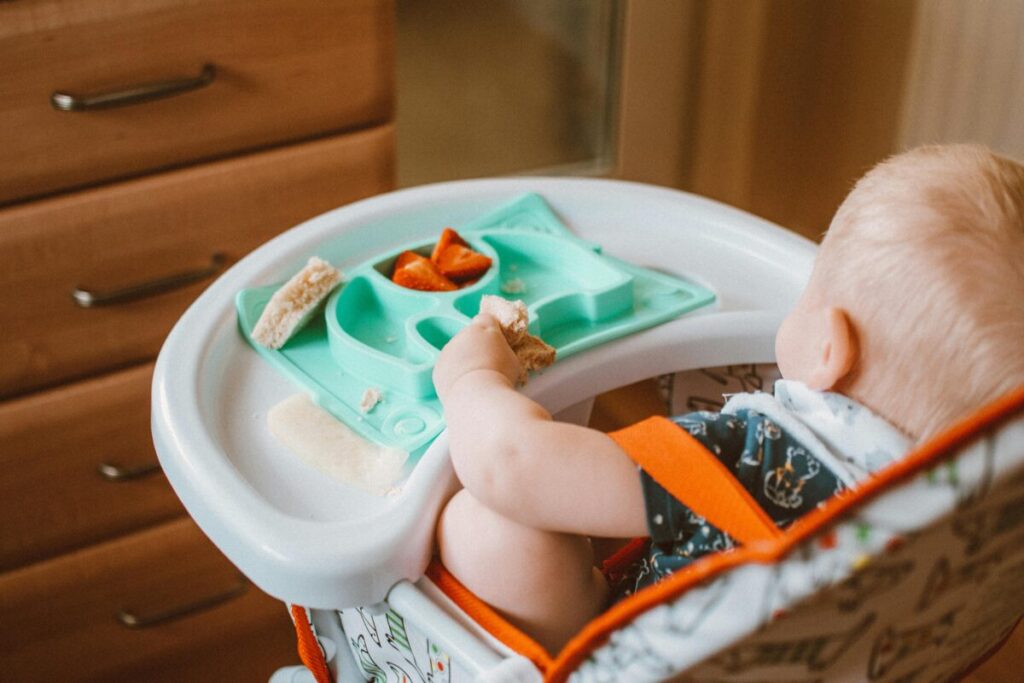
- The Deconstructed Taco: Instead of a messy wrap, I lay out small piles: softened black beans, tiny bits of shredded chicken, a few cubes of avocado, and some shredded cheese. It lets them practice their “pincer grasp,” which is great for motor skills.
- Sweet Potato “Toasts”: I roast thin slices of sweet potato until they’re soft but hold their shape. Top them with a little peanut butter (check for allergies first!) or some plain Greek yogurt. It’s sweet, filling, and packed with Vitamin A.
- Pasta with “Hidden” Veggie Sauce: This is my secret weapon. I steam carrots and zucchini, blend them into a smooth purée, and mix it into a little tomato sauce with rotini pasta. They think they’re just getting noodles; I know they’re getting a garden’s worth of nutrients. Um, just don’t let them see the blender, or the secret is out.
Hydration Station: How Much Water Should a 13 Month Old Drink?
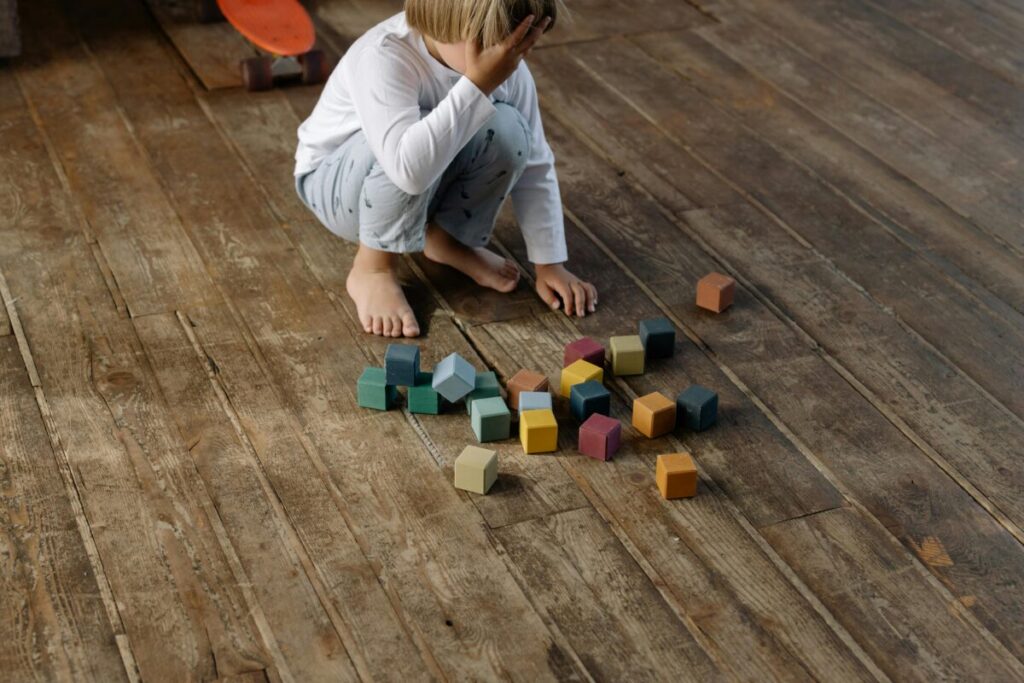

Since we’re cutting back on the constant milk supply, water becomes the MVP. A common question I get in the comments is how much water should a 13 month old drink? The general rule of thumb is about 1 to 4 cups (8 to 32 ounces) of water throughout the day, depending on how active they are and how much milk they’re still getting.
I keep a weighted straw cup within her reach at all times. If it’s visible, she’ll sip on it while playing with her blocks. If I hide it in the kitchen, she forgets it exists. We want to avoid juice as much as possible—toddlers are sweet enough without the extra sugar spikes, and their teeth will thank you later. Plus, “juice-high” toddlers are a force of nature I am not prepared to handle on a Tuesday morning. Trust me, you don’t want to be cleaning the trash can after a sugar-fueled rampage.
The “Foodie Mom” Confession: Shawarma and Self-Care
Let’s have a “mom-to-mom” heart-to-heart here. I spend hours—literally hours—researching the best organic kale-spinach-quinoa blends for my kid. I’m a “foodie” mom. I want her to have the best start. I’m obsessed with micro-nutrients and finding the perfect avocado. But by 6 PM? After a day of chasing a tiny human who moves like a caffeinated squirrel, my brain is fried.
There have been plenty of nights where my toddler is tucked in after a perfectly balanced meal of steamed salmon and peas, and I’m standing in the kitchen ordering a large shawarma and a cold Coca-Cola on my phone. And you know what? That is okay. We cannot pour from an empty cup, and sometimes that “cup” needs to be filled with spicy meat, garlic sauce, and caffeine. Don’t let the Instagram-perfect lunchboxes make you feel like you’re failing. If your kid is fed and you are sane, you are winning.
The 3 AM Trenches: Why is This Still Happening?


You’d think that once they hit the one-year mark, the nights would be easy. Ha! Jokes on us. Even with a solid 13 month old feeding routine, we still hit those nights that feel like the 3 AM trenches of the newborn days. You know the ones—where you’re rocking them in the dark, wondering if you’ll ever sleep again. Sometimes it’s teething (those molars are no joke), sometimes it’s a growth spurt, and sometimes they just want to make sure you’re still awake.
If they wake up hungry at night, I try to look at the daytime calories. Are they eating enough during the day? Sometimes a small, protein-rich snack before bed—like a little bit of cheese or a banana—can help bridge that gap. But let’s be real: sometimes they just want a cuddle, and that’s part of the routine too. Put down the pacifier, pick up the toddler, and remember this phase is short.
The Mess, The Stress, and The Success
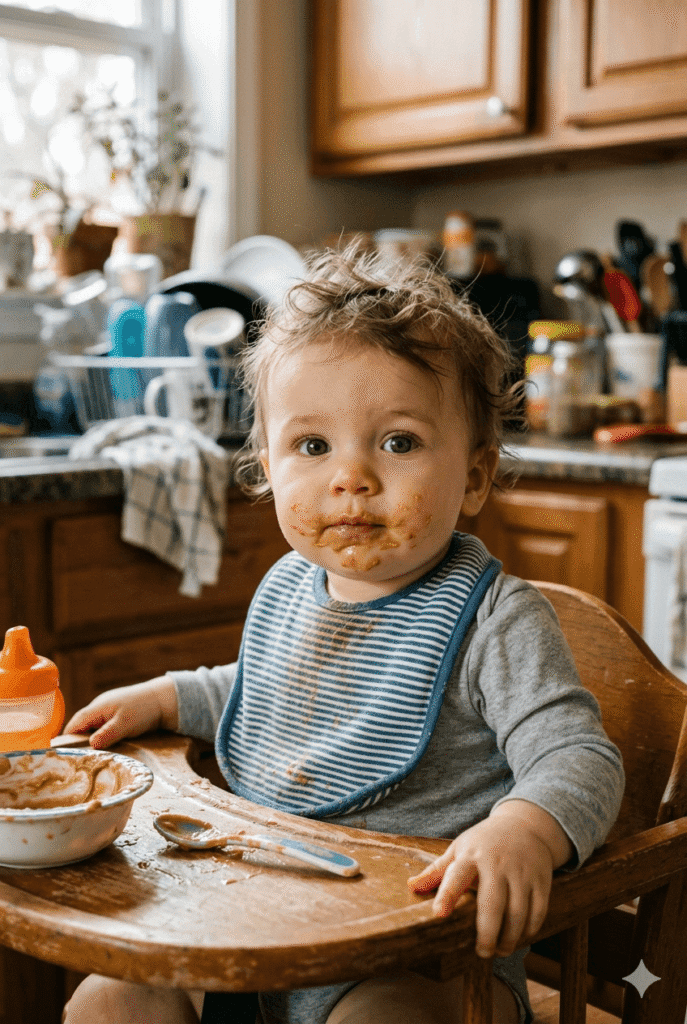
The transition to toddlerhood is a messy business. You will find peas in your hair. You will find a hidden piece of cheese in the stroller that has been there since last Tuesday. You will worry if they’ve eaten enough, and then you’ll worry if they’ve eaten too much.
But then, they’ll do something amazing. They’ll use their spoon correctly for the first time, or they’ll offer you a soggy piece of their toast as a “gift,” and your heart will just melt. This 13 month old feeding routine isn’t about perfection; it’s about progress. It’s about moving away from the baby phase and watching this little person develop their own tastes and personality.
You Might Also Love: More Mom-to-Mom Survival Guides
If you found this routine helpful, you might want to dive into these other toddler tales (and sanity-savers) from the blog:
- Ready for the next milestone? Check out what’s ahead: The 14 Month Old Feeding Schedule: Toddler Independence, Picky Eating, and Cups – Because just when you think you’ve figured out the 13-month routine, they decide to rewrite the whole rulebook (and throw their cup on the floor).
- The 3 AM Club: Survival, Drool, and the Baby Teething Relief That Actually Works – For those nights when the feeding routine is perfect, but those pesky molars have other plans.
- The Sugar Struggle: Navigating Treats, Tantrums, and Healthy Boundaries for Toddlers (1-3 Years) – Now that they’re eating solids, here’s how to handle the inevitable “cookie negotiations” without losing your mind.
- Why Your Toddler Says “No” to Everything (And How to Stay Sane Without Yelling) – Because sometimes “No” is their favorite response to that healthy meal you just spent an hour preparing.
Final Thoughts
As we wrap this up (and I go check if there’s any of that Coke left in the fridge), remember that every child is different. Some will love the transition to whole milk, and others will stage a protest. Some will eat anything green, and others will treat a green bean like a personal insult. It’s all normal.
Stick to the basics: offer a variety of healthy toddler meal ideas for 13 month old explorers, keep an eye on how much water should a 13 month old drink, and be patient with the process of transitioning from formula to whole milk at 13 months. You’re doing a great job, mama. Even on the days where the floor is covered in spaghetti and you’re considering moving into a hotel just to escape the dishes. We’ve got this!
Disclaimer: Just a quick heart-to-heart, mama: I’m a fellow mom sharing my lived-in kitchen chaos and hard-won victories, not a pediatrician or a certified pediatric nutritionist. Every toddler’s developmental and nutritional needs are beautifully unique. Always consult with your pediatrician before making any major dietary changes (like transitioning to whole milk) or if you have specific health concerns. We’re all just doing our best, one cold coffee at a time!