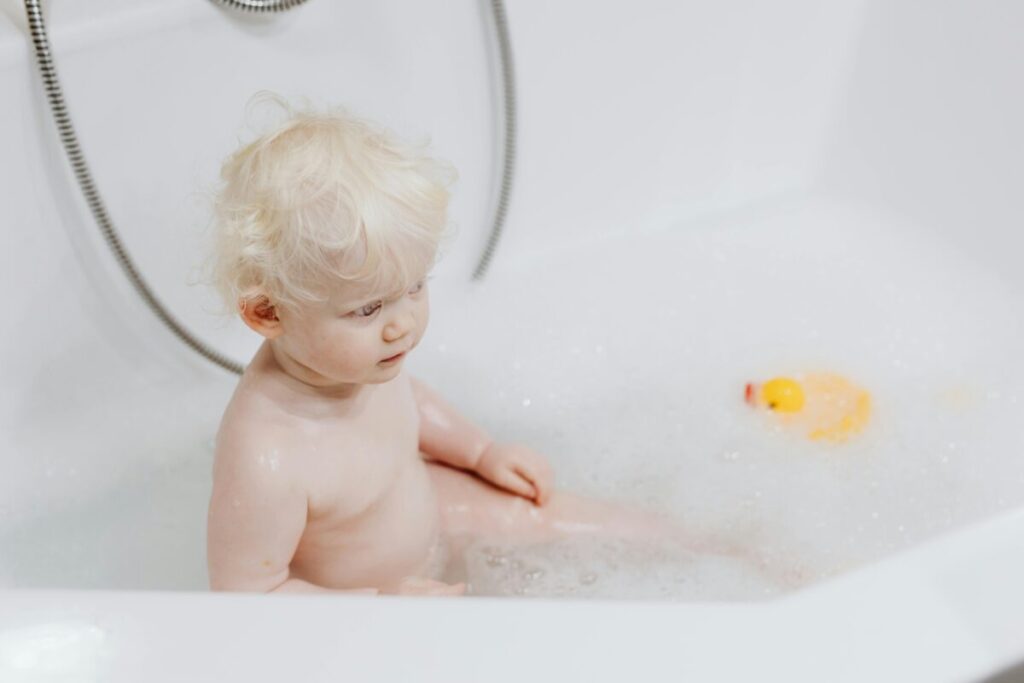
Let’s be honest — potty training is one of those parenting stages that sounds way easier online than it feels in real life.
Social media makes it look like every toddler switches from diapers to underwear in one magical weekend with zero accidents and a smiling mom drinking hot coffee in the background. Meanwhile, real-life potty training usually looks more like cleaning pee off the floor while your toddler runs away laughing with no pants on.
A few days into potty training, I remember sitting on the bathroom floor completely exhausted after my toddler had three accidents before lunchtime. At one point I honestly questioned whether we were both mentally ready for this stage.
So if you’re currently staring at a pile of diapers wondering how on earth you’re supposed to make this work, take a deep breath.
You are not failing, you are definitely not alone, and I promise your child is not going to head off to college wearing a diaper.
This isn’t a rigid, textbook guide written by someone who has never scrubbed pee out of a rug. This is a raw, real-life survival guide from one tired mom to another. Let’s talk about how to tackle potty training at 2 years old without losing your absolute mind.
The Golden Rule: Readiness Over Age
Before you run out and buy a whole stack of superhero underwear or one of those tiny potties that suddenly takes over your bathroom, take a breath for a second. One of the biggest mistakes I made at first was thinking potty training had to start the minute my toddler turned two. I remember looking at the calendar thinking, “Okay… this is the age. We should probably be doing this now.” Meanwhile, my child had absolutely no interest in cooperating with that plan whatsoever.
The truth is, turning two doesn’t magically mean their brain and body are ready for potty training overnight. Some toddlers are excited about it early, and others act like the potty is a personal attack on their freedom. Both are completely normal.
Toddlers develop so differently at this age, and trying to force it before they’re emotionally or physically ready usually just turns the whole thing into a giant power struggle. And honestly? A determined two-year-old can outlast even the most motivated parent when they decide they are not participating.
I learned pretty quickly that pushing too hard only made everyone more frustrated. Things got much easier once I stopped focusing so much on the age itself and started paying attention to actual readiness signs instead.
Instead of looking at the clock, look for these real-life signs of readiness:
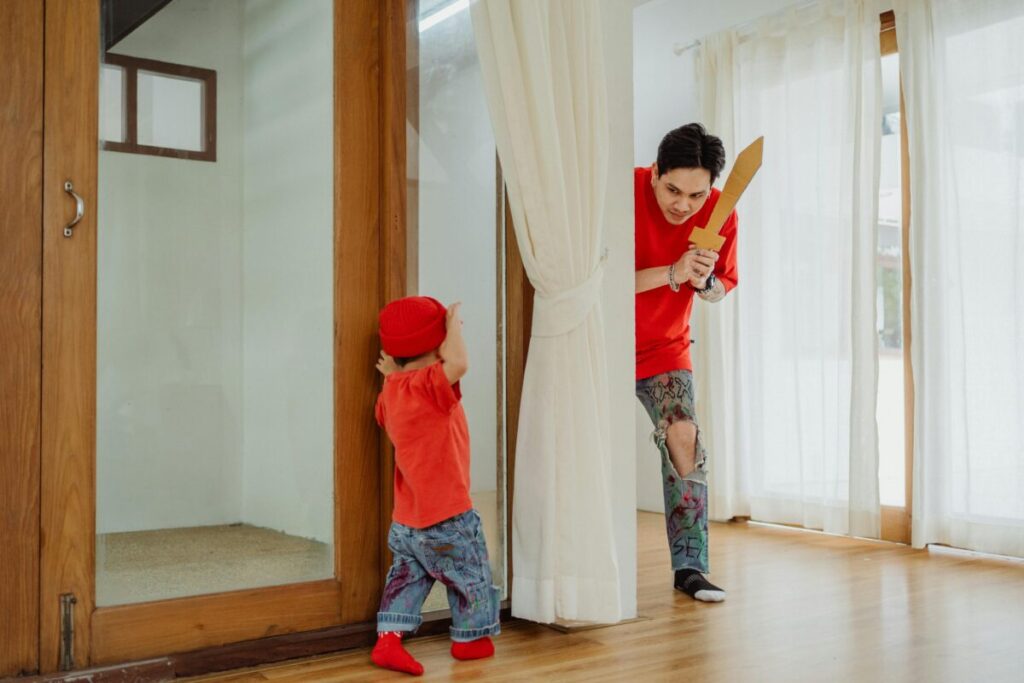
- The “Hide and Poop” Habit: They sneak behind the sofa, duck into a corner, or hide behind the curtains when they are filling their diaper. This means they are becoming aware of their bodily functions.
- The Dry Spell: They can stay dry for at least two hours at a time, or they wake up from a nap with a completely dry diaper. This shows their bladder muscles are getting stronger.
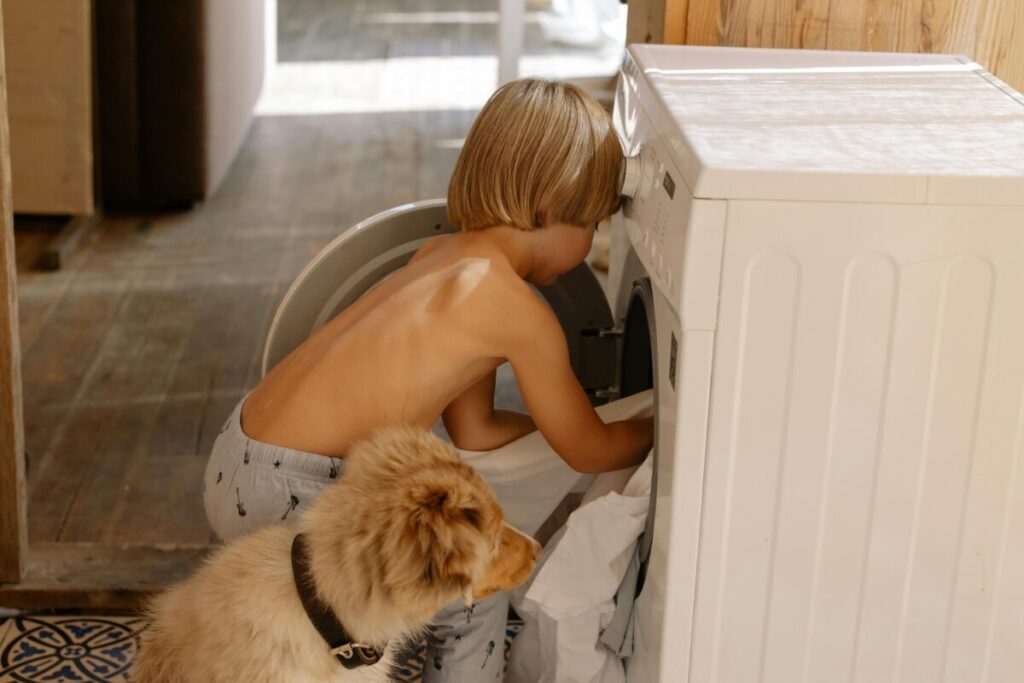
- The Announcement: They literally tell you, either with words or gestures, that they have a wet or dirty diaper. They might pull at it or say, “Poop!”
- The Obsession with Your Bathroom Habits: They follow you into the bathroom, stare at you while you use the toilet, and want to flush for you. (Say goodbye to bathroom privacy, by the way—not that you had much anyway!)
- Basic Independence: They can pull their own trousers or sweatpants down and up, and they can follow simple, two-step directions.
If your little one isn’t showing at least a few of these signs, put the training potty away for a few weeks. There is absolutely no shame in waiting. A child trained at 26 months takes a fraction of the time and stress compared to a child forced into it at 24 months.
Pre-Game Prep: Setting the Stage
Before you fully dive into potty training, it really helps to make the whole idea feel normal first. Toddlers do so much better when things feel familiar instead of suddenly becoming this huge, high-pressure event.
One thing that helped us a lot was introducing the potty way before we seriously started training. At first, my toddler mostly treated it like a random new household object. Some days toys were sitting inside it, other days it somehow ended up in the living room for no reason at all. But honestly, that was okay. The goal in the beginning is just comfort and familiarity.
You’ll want either a small potty chair or a toddler seat that fits onto your regular toilet. Personally, having a little potty nearby saved us so many stressful moments. Because when a two-year-old suddenly realizes they need to pee, you usually have about five seconds before the situation becomes everybody’s problem.
Try to keep the bathroom atmosphere relaxed and casual. Read potty books during bedtime, talk about using the toilet naturally during the day, and let them see that it’s just a normal part of life. My toddler even started making stuffed animals “go potty,” which honestly ended up being weirdly helpful.
The less pressure attached to the potty in the beginning, the less resistance you usually deal with later when the diapers finally start coming off.
Choosing Your Battle Strategy
When it comes to potty training, most parents eventually realize there’s no single “perfect” method that works for every child. Honestly, a lot depends on your toddler’s personality, your schedule, and how much chaos you’re personally prepared to handle that week.
Some families love the fast, all-in approach. Others do much better taking things slowly. And truthfully? Both are completely valid.
Strategy A: The Bare-Bottom Weekend
This is the famous “three-day method” you’ve probably seen all over the internet. Basically, you stay home for a few days, clear your schedule, and let your toddler spend most of the day without diapers or pants so they can start recognizing the feeling of needing to go.
The biggest advantage is that toddlers usually connect things pretty quickly when there’s nothing absorbing the accident for them. They begin understanding:
“Oh… I feel pressure, then pee happens.”
That immediate connection can really help some kids learn faster.
But I’m not gonna lie — this method is intense.
You spend the entire weekend watching your child like a detective searching for clues. Every sudden pause, weird facial expression, or tiny potty dance suddenly feels like a medical emergency. By the end of the day, I personally felt like I had run a marathon inside my own living room.
And yes, there will absolutely be puddles on the floor at first. Probably more than one.
Strategy B: The Slow-and-Steady Approach
This method tends to work better for families who can’t pause life for three days straight or for toddlers who get overwhelmed easily.
Instead of going all-in immediately, you slowly introduce potty routines throughout the day — after waking up, before naps, after meals, before leaving the house, things like that. Some parents use training pants or pull-ups during this phase while their child gradually builds confidence.
The nice thing about this approach is that it usually feels less stressful overall. It fits more naturally into everyday life, daycare schedules, errands, and normal routines.
The downside is that it can take longer because modern diapers and pull-ups are honestly very comfortable. Some toddlers don’t feel especially motivated to switch to the potty when the diaper already works perfectly fine for them.
Whichever approach you choose, consistency matters way more than perfection.
One thing that really confuses toddlers is switching back and forth constantly — potty training one day, diapers all day the next, then trying again randomly later. Their little brains do better when the routine stays predictable for a while.
Dealing with the Inevitable Accidents



Let me say this loudly for the moms in the back: Accidents are not failures. Accidents are literally how toddlers learn how to potty train.
When accidents happen — and they will — it’s completely normal to feel frustrated for a second. I remember one day my toddler peed on the living room rug literally five minutes after I had just cleaned up a different mess, and internally I wanted to scream into a pillow. Potty training can be really exhausting sometimes.
If you find yourself hitting a breaking point, you’re not alone; check out Touched-Out and Overstimulated: 10 Real-Life Coping Strategies for the Exhausted Mom for some practical ways to reset when you’re feeling completely drained.
But one thing I learned pretty quickly is that our reaction matters a lot. Toddlers are still figuring this whole process out, and if accidents start feeling scary or shameful, some kids begin hiding when they pee or poop, or they start holding it in completely because they’re afraid of getting in trouble.
As hard as it can be in the moment, try to stay calm and matter-of-fact about accidents. Nothing dramatic. Nothing shame-filled.
Something simple like:
“Oops, your pants are wet. Pee goes in the potty. Let’s clean this up together.”
That calm tone really helps.
And honestly, involving them in the cleanup can actually be helpful too — not as a punishment, but just as part of the process. My toddler would help hand me paper towels or carry wet clothes to the laundry basket, and over time they slowly started realizing that using the potty was a lot easier than stopping playtime to clean up accidents.
The biggest thing is making the potty feel safe, normal, and low-pressure instead of emotionally loaded.
The Dreaded Poop Strike
Ah, the poop strike. This is the unofficial rite of passage for almost every parent tackling potty training at 2 years old.
A lot of toddlers figure out peeing in the potty pretty quickly… and then completely panic when it comes to poop. Honestly, this part catches so many parents off guard.
For little kids, pooping can feel weird, uncomfortable, and even a little scary. Some toddlers suddenly act terrified of the toilet, beg for a diaper the second they need to poop, or try to hold it in for as long as humanly possible. And unfortunately, the more stressed they become about it, the harder the whole situation usually gets.
I remember thinking, “Okay, we’re finally making progress,” after a few successful potty pees — and then suddenly my toddler refused to poop anywhere except a diaper for days. It felt like we had gone completely backwards overnight.
One thing that really helped was backing off the pressure.
If your child absolutely refuses to poop without a diaper, it’s okay to take smaller steps instead of forcing the issue. Some parents start by simply having their toddler poop in a diaper inside the bathroom first. Then later, sitting on the potty while still wearing the diaper. Slowly making the process feel safe usually works much better than trying to push through fear.
Another huge thing is avoiding constipation at all costs. If pooping starts hurting even once, toddlers often become scared to try again. Keeping them hydrated and offering foods with fiber — fruit, berries, prunes, oatmeal, water — can make a really big difference.
And honestly, one surprisingly helpful trick is using a little step stool under their feet. Toddlers poop much more comfortably when their feet feel supported instead of dangling in the air. It sounds simple, but it genuinely helps their body relax.
Most importantly, try not to panic if this stage takes time. Poop struggles during potty training are incredibly common, even for kids who seem totally fine with peeing in the toilet already.
Motivation Without the Bribery Traps
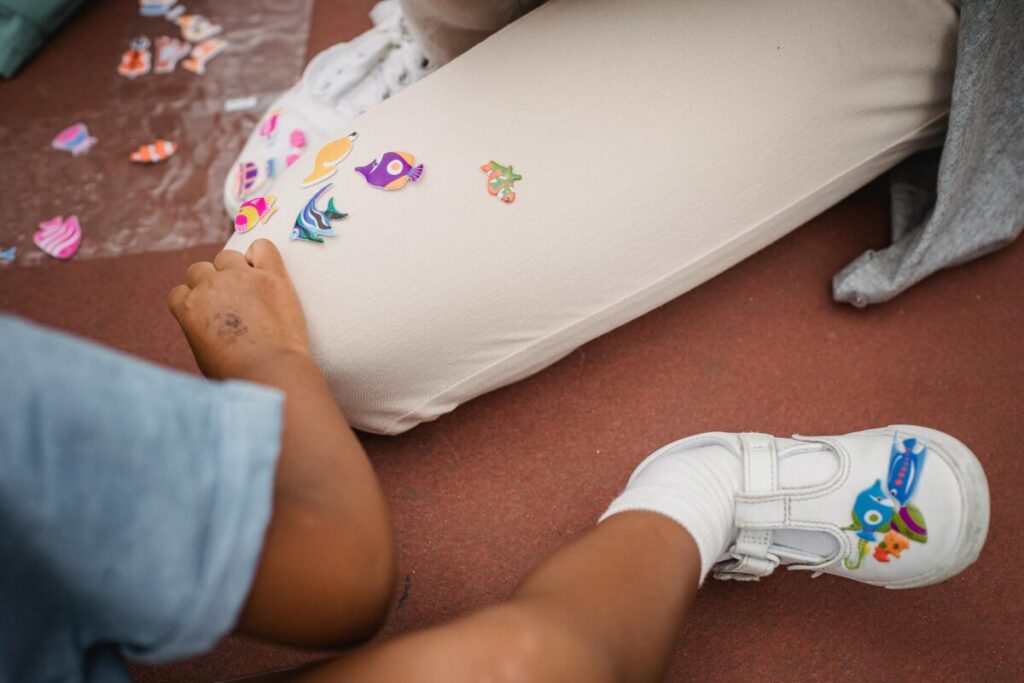
Let’s be honest — almost every parent reaches a point during potty training where they consider bribery. You’re tired, your toddler is refusing to sit on the potty for the tenth time that day, and suddenly offering cookies, stickers, or an entire toy store starts sounding completely reasonable.
And honestly, small rewards can absolutely help. The key is just not turning potty training into a full-scale hostage negotiation.
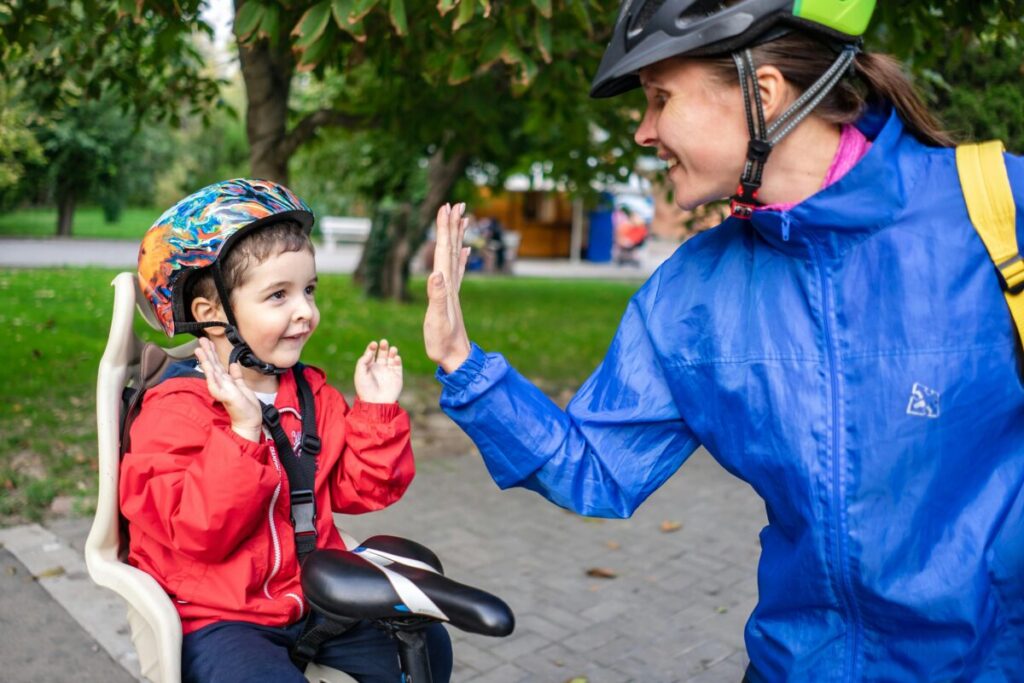
Toddlers at this age usually get excited over really simple things anyway. A sticker chart, one gummy bear, an enthusiastic high-five, or a ridiculous celebratory potty dance from mom or dad can feel like the greatest achievement of their entire life.
I still remember clapping like my toddler had just won an Olympic medal over one successful potty pee. Was it dramatic? Absolutely. Did it work? Also yes.
One thing that helped a lot was focusing on the effort, not only the actual result. Sometimes they’ll sit on the potty, try their best, and nothing happens — and that’s still progress. Just getting comfortable with the routine matters too.
Simple encouragement like:
“Good job listening to your body,”
or
“I’m proud of you for trying,”
can build way more confidence than pressure ever will.
The goal is making the potty feel positive and low-stress, not creating a tiny negotiator who demands a brand-new toy every single time they pee three drops into the toilet.
Nighttime Training: A Completely Different Beast
Here is a piece of medical trivia that will save your sanity: Daytime potty training and nighttime dryness are two completely different developmental milestones. Being awake and choosing to use the toilet is a behavioral skill. Staying dry overnight is a purely physiological milestone. It depends entirely on a brain hormone called ADH (antidiuretic hormone) and the physical maturity of their bladder capacity. Your child can be 100% perfectly trained during the day, but still wake up with a soaked diaper every single night for another year or two, and that is completely normal.
Do not stress about nighttime training at 2 years old. Use pull-ups or overnight diapers for bedtime, protect your mattress with a high-quality waterproof cover, and let nature take its course. Once they start waking up dry consistently for a couple of weeks straight, then you can talk about ditching the night diapers. Until then, protect your sleep at all costs!
📚 Read More Unfiltered Toddler Guides:
If you are navigating the crazy, beautiful, and chaotic transition into the toddler years, you don’t have to do it alone! Check out these honest, real-life survival guides for the months leading up to and during the “turning two” shift:
- Looking ahead to the age two shift? Read The Ultimate 24 Month Old Behavior Guide: Surviving the Turning Two Shift for exact toddler tantrum tips and routine hacks.
- Struggling with the 2-year-old transition early? Check out 23 Month Milestones: The Unfiltered Survival Guide for Tired Moms to understand major toddler behavior changes.
- Dealing with the pre-two chaos? Don’t miss The Wild and Unfiltered Guide to 22 Month Milestones: Surviving the Pre-Two Chaos to help you keep your sanity intact.
When to Throw in the Towel
If you have been trying to potty train for a week or two, and your house feels like a war zone, your child is screaming every time they see the bathroom, and you are crying tears of pure frustration into your coffee cup—it is okay to quit.
Let me repeat that: It is completely okay to stop and try again later.
Quitting doesn’t mean you failed, and it doesn’t mean your child is stubborn. It simply means their brain and body aren’t quite ready to sync up yet. Force-feeding a routine they are resisting will only create long-term behavioral issues and anxiety around the bathroom. Wrap the potty chair up, put it in the closet, go back to diapers, and don’t bring it up again for another month or two. When they are truly ready, the process will be so much smoother, easier, and less painful for both of you.
You are doing an amazing job, mama. Take a deep breath, buy some good stain remover for the carpets, and give yourself some grace. This is just a temporary phase, and you will get through it!
Disclaimer: I am a mom sharing my real-life experiences, tips, and research, but I am not a pediatrician or a medical professional. Every child is unique, and potty training paths can vary. The information on tinycaretips.com is intended for educational and informational purposes only and should never replace professional medical advice, diagnosis, or treatment from your pediatrician. Always consult with a doctor or qualified healthcare provider regarding any questions you may have about your child’s health or development.