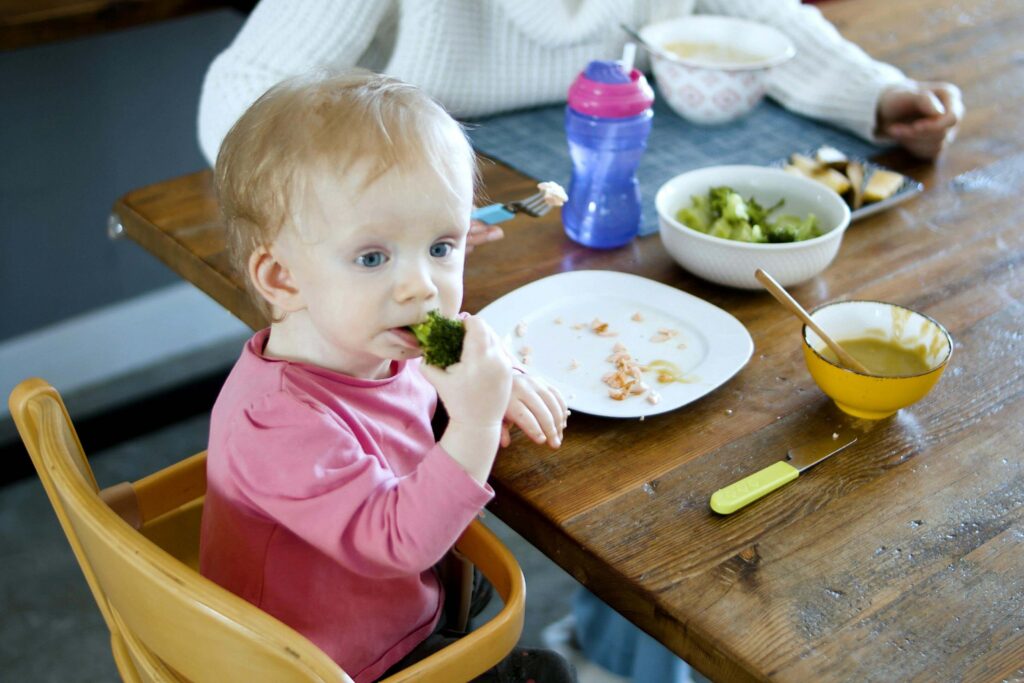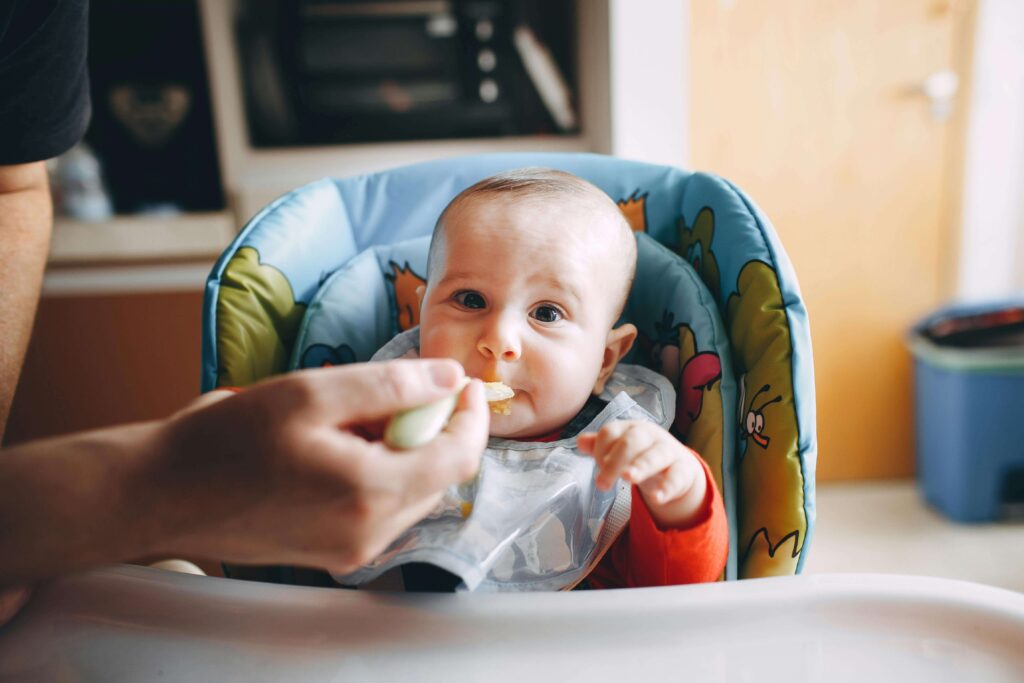

When it comes to introducing allergens to babies, most of us feel more like nervous wrecks than Pinterest-perfect parents. I am a mom, not an allergist with a fancy degree, and I still remember the absolute, bone-chilling terror I felt the first time I put a tiny speck of egg on my baby’s lip—I literally sat there with my boots on, car keys in hand, and 911 already dialed on my phone just in case of a total meltdown. If your baby has severe eczema or a real medical condition, talk to your pediatrician first… but if you’re just a nervous wreck who is overthinking every bite? Welcome to the trenches of introducing allergens to babies.
Introducing solids is supposed to be this cute, Pinterest-worthy milestone with tiny bamboo spoons and aesthetically pleasing messy faces. But then you remember Allergens. Suddenly, it’s not about “Best First Vegetables” anymore—it’s about high-stakes, sweat-inducing survival. I wish someone had told me sooner that the “old” advice of waiting until age 3 was totally, 100% wrong. I mean, I literally spent months avoiding peanuts like they were radioactive waste, only to find out I was doing it all backwards.
The new science is clear: starting early (around 4–6 months) actually trains their immune system not to freak out. It’s like a software update for their tiny bodies. Instead of seeing a peanut as a mortal enemy, their system goes, “Oh, okay, we’re cool, no need to launch an attack.” But, wait… let’s be real. Knowing the science doesn’t make your hands stop shaking when you offer that first spoonful.
The “Big 9” and the Hidden Perks (Beyond the Fear)
In the U.S., there are nine main troublemakers: peanuts, eggs, dairy, fish, shellfish, tree nuts, wheat, soy, and sesame. It feels like a lot to track, right? Like you need a PhD just to make a grocery list. But here’s the thing—many of these are actually nutritional powerhouses that your kid desperately needs.
Take eggs, for example. They aren’t just an allergen; they are packed with protein and iron. If you’ve been reading up on Top 5 Iron-Rich Foods, you know how obsessed I am with growth and brain development. So, giving them early isn’t just about preventing a trip to the ER later; it’s about building a healthy, strong human. But, wait… don’t just dump a massive omelet in front of them and hope for the best. We have to be sneaky, tactical, and incredibly safe about it.
The 3-Day Rule (Or: How Not to Lose Your Sanity)
When you are introducing allergens to babies, I live and breathe by the 3-Day Rule.
Why? Because I need to be a top-tier detective. If my kid breaks out in hives on a Tuesday, I need to know for a fact if it was the peanut butter from Monday or that weird squash I gave them an hour ago. Keeping it simple saves you from a 2 AM spiral of “What caused this?!” panic while you’re frantically scrolling through Google. You can plan this out perfectly alongside your 7-Month-Old Feeding Schedule so you don’t accidentally overlap a new allergen with a day when you’re already stressed to the max.
The Peanut Protocol (The “Final Boss” of Parenting)

Peanuts are the “Final Boss” for most parents. I mean, literally, the thought of it made my palms sweat more than a cardio workout. But remember the golden rule: ⚠️ Never give whole peanuts. That’s a one-way ticket to Choking-Hazard-City and a heart attack for you.
This is often the scariest part of introducing allergens to babies, but the ‘final boss’ can be defeated with a simple plan.
Instead, you have to “toddler-ify” it. Thin out some smooth peanut butter with warm water, breast milk, or formula until it’s a runny, non-sticky liquid. Give them a tiny, tiny taste—like a 1/4 teaspoon. Then, we wait. Watch them for 30 minutes like a hawk watching its prey. I mean, I literally didn’t even blink the first time I did this; I just stared at his face looking for any tiny red dot. If they’re happy, playing, and not covered in a rash? You’ve officially conquered the boss.
Real Talk: Is it an Emergency or Just a “Messy Face” Moment?
To safely continue introducing allergens to babies, you need to know the difference between a ‘mild’ reaction and a ‘get-to-the-hospital-now’ disaster.
But if they’re wheezing, their tongue is swelling, or they look pale and limp like a wilted piece of lettuce? Do not wait. Do not check a Facebook group. Call 911. But, wait… let’s be real. Most of the time, that “scary” new food ends in… absolutely nothing. Just a sticky face and a baby who wants more. I remember the huge boost of confidence I felt after that first 20 minutes passed and my little one was just happily chewing on their own fist. It feels like winning the parenting lottery.
Sanity Check: You Are Building an Immune Shield
At first, this whole process feels daunting. It feels like you’re playing with fire in a house made of straw. But by following a simple, boring plan—starting small, choosing a calm morning (never do this right before your Bedtime Battles start, trust me!), and watching them closely—you are doing something amazing for their long-term health.
You’re moving away from being a terrified spectator to an active protector of their immune system. But, wait… don’t forget the “safety minute” for yourself. If you get overwhelmed, take a breath. You are doing a great job, even if you’re doing it with shaky hands. Now, go wash those sticky peanut hands before they touch your favorite white rug… or don’t. I’m literally not the cleaning police. I’m just a mom who knows that survival in this game means being prepared for anything. You’ve got this, Mama.
At first, the whole process of introducing allergens to babies feels daunting.