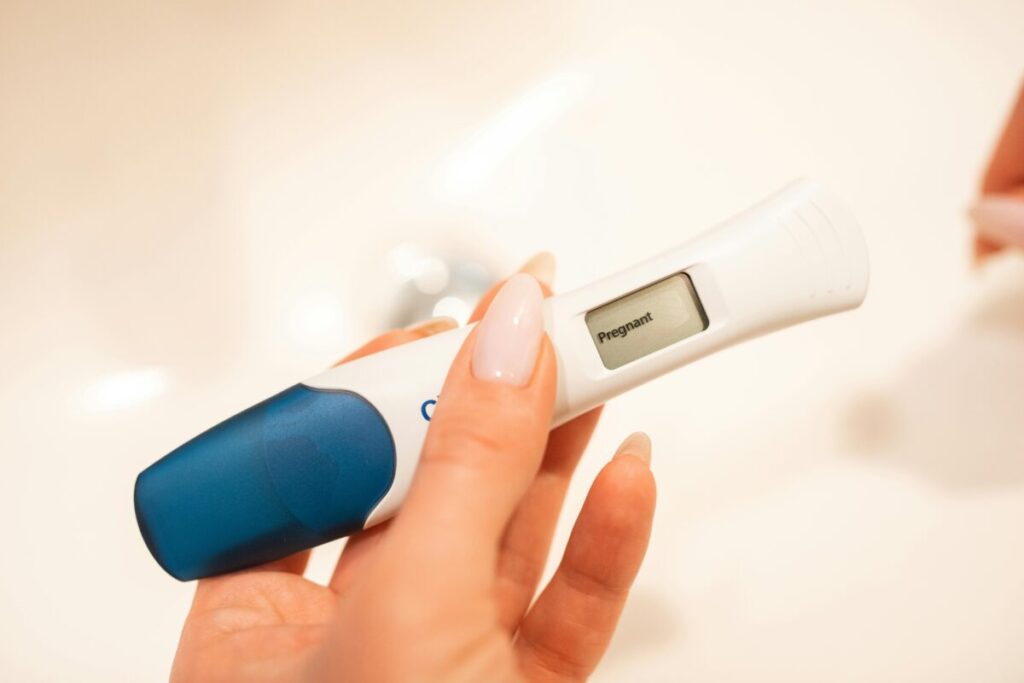
Everything around you looks exactly the same, but at the same time, it feels like your whole world shifted overnight. Whether this pregnancy was carefully planned or a total surprise, that first positive test brings a weird mix of excitement, fear, happiness, and pure panic. You might already be wondering what comes next, and while your mind is racing, having a simple first trimester checklist can be the anchor you need right now. Trust me, I’ve been there—staring at that test for a solid five minutes because my brain genuinely could not process what I was looking at.
Trust me, I’ve been there. I remember just standing there staring at the test for a solid five minutes because my brain genuinely could not process what I was looking at.
I’m Lily, and one thing I learned pretty quickly during pregnancy is that a lot of advice online can make you more anxious instead of actually helping. You don’t just need a giant list of rules and scary warnings — you need realistic advice from someone who also googled weird symptoms at midnight while eating crackers in bed.
Take a deep breath. You’ve got this. Here is exactly what to do the first week you find out you’re pregnant so you can stop spiraling and start enjoying the ride.
1. The “Deep Breath” and the Mental Shift


The very first thing on your first trimester checklist for healthy baby and mom isn’t a doctor’s appointment—it’s a moment of silence for yourself. Your life is about to change in the most beautiful, messy, and exhausting ways. Before you disappear into a three-hour Google spiral, just give yourself a minute to process it.
When I found out, I spent the first hour alternating between crying and laughing. It’s okay to feel overwhelmed. Whether you’re in a bustling city like Tbilisi or a quiet neighborhood, that initial shock is universal. Don’t feel pressured to feel “perfectly happy” right away if you’re actually just scared. Pregnancy is emotional enough already without feeling guilty for not reacting “perfectly.”
2. Book Your First “Official” Appointment
The “when” of the first doctor visit can be confusing. In the US, many OB-GYNs won’t see you until you’re 8 or 10 weeks along. In many European countries, you might start with a midwife much sooner.
Here is the honest talk: call your provider now. Tell them the date of your last period. If you prefer a more holistic approach, look into local midwives. If you want the high-tech hospital experience, go the OB-GYN route. Either way, getting that date on the calendar makes it feel real. It helps calm your brain a little because suddenly you have someone you can actually ask instead of Googling everything at 2 AM.
3. Navigate the Vitamin Maze: Folate vs. Folic Acid

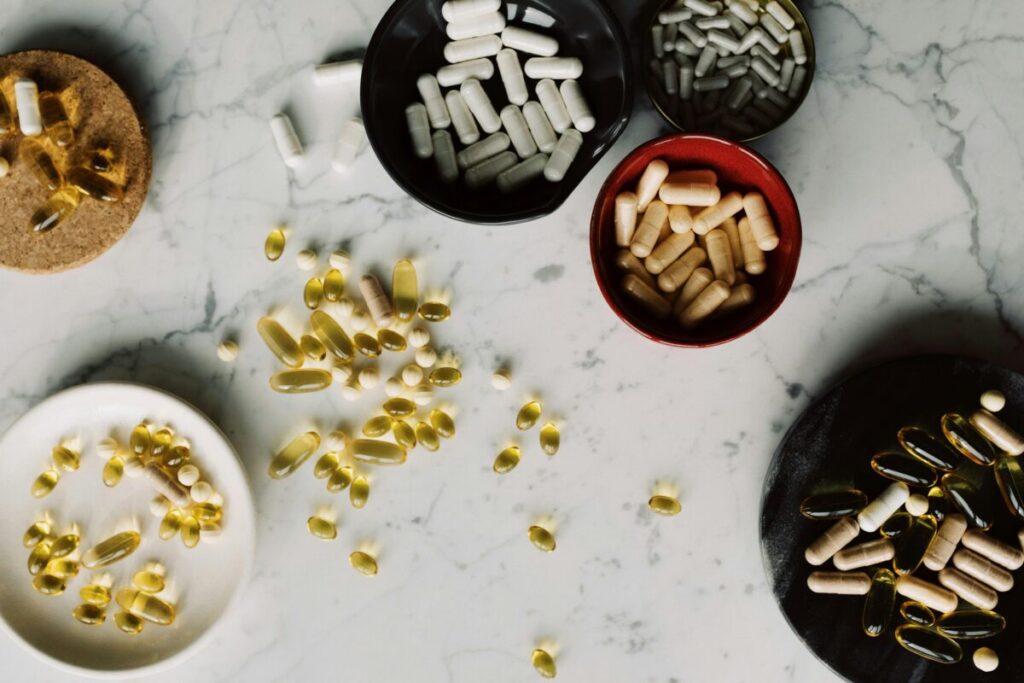
You’ve probably already heard a million times that you need folic acid once you’re pregnant. Honestly, before my first pregnancy, I had no idea there was even a difference between folic acid and Folate. Later on, I found out some women actually tolerate Methylfolate better because it’s easier for the body to absorb. When you’re looking at what to do the first week you find out you’re pregnant, starting the right supplement is often at the top of the list, but it can feel like you’re taking a high-stakes exam in the pharmacy aisle.
Don’t stress yourself out trying to find the “perfect” vitamin right away, though. I remember standing in the pharmacy aisle completely overwhelmed by all the prenatal options like I was taking some kind of exam. The important thing is simply starting a good prenatal vitamin early and staying consistent with it.
Start taking a high-quality prenatal vitamin today. Don’t overcomplicate it. If the giant “horse pills” make you gag (which they did to me—I couldn’t stand the smell of the bottle), try gummy vitamins. Getting those nutrients in is what matters most for your baby’s neural tube development in these early weeks.
4. Food Safety (The Real-World Version)
We all know the “no-go” list: unpasteurized cheese, deli meats, and raw sushi. But what to do the first week you find out you’re pregnant when suddenly everything smells like old socks?
The reality of the first trimester is often “Survival Eating.” One day you love salad; the next day, the sight of a leaf of spinach makes you run for the bathroom. While your first trimester checklist might include eating a balanced diet, the truth is sometimes you just have to eat whatever stays down. I remember during the Kutaisi summer heat, the only thing I could stomach was cold watermelon and plain crackers. If you can’t eat a perfect meal right now, don’t panic—fed is best, even if “fed” means beige food for three weeks straight.
5. Hydration Hacks for the Nausea-Prone
Staying hydrated is a vital part of any first trimester checklist, but plain water can be surprisingly hard to drink when you’re nauseous. I used to find that “flat” water felt heavy in my stomach.
Try these instead:
- Sparkling water with a heavy squeeze of lemon.
- Ice-cold ginger ale (the real stuff with actual ginger).
- Electrolyte powders mixed into very cold water.
- Fruit-infused water or herbal teas (check with your doctor on which herbs are safe).
6. Survival Tips for the Working Mom


This is where the rubber meets the road. Trying to grow a human while answering emails or standing on your feet all day is a heroic feat. I worked as a technician during my pregnancy, and let me tell you, “pregnancy brain” is real. I once spent ten minutes looking for my glasses while they were on top of my head.
Here are some realistic first trimester survival tips for working moms:
- The Desk Stash: Keep plain crackers, almonds, or ginger candies in your drawer. A tiny nibble every hour can keep the “nausea shakes” away.
- The Secret Sip: If you aren’t ready to tell your coworkers, keep a reusable coffee cup filled with water or ginger tea. Everyone will think it’s your usual latte.
- The Power Nap: If you’re working from home, use your lunch break to actually sleep. If you’re in an office, even five minutes of closed eyes in your car can save your afternoon.
7. The Skincare and Caffeine Swap
You don’t need to throw out your entire bathroom cabinet, but you should check for Retinoids and Salicylic acid. Most doctors suggest pausing these during pregnancy. Switch to gentle, hydrating products.
And the caffeine? You don’t have to quit cold turkey (thank goodness!). Most guidelines say 200mg a day—about one standard cup of coffee—is perfectly fine. When I was pregnant, I missed my second cup terribly, but switching to a nice decaf or a rooibos tea helped the ritual stay alive.
8. Start a “Baby Budget” Early
You don’t need to buy a stroller this week. In fact, don’t. But do start a small “baby fund.” Even putting aside a tiny amount each week helps ease the anxiety of future costs. Look into your insurance or national health coverage to see what’s covered. Understanding your maternity leave options early on is a major stress-reducer. It’s not the most “fun” part of the first trimester checklist for healthy baby and mom, but your future self will thank you.
9. Managing the “Ultrasound Wait” Anxiety
The gap between that positive test and the first ultrasound (usually around 10-12 weeks) can feel like a lifetime. Every little cramp or lack of symptoms can send you into a Google spiral.
Try to stay off the forums. Every body is different. Some women have zero nausea and healthy babies; others are sick for nine months. Use this time to focus on what you can control: your rest, your vitamins, and your mindset. If you feel fine, enjoy it! If you feel like a zombie, embrace the couch.
10. The Big Reveal (Or the Big Secret)


Deciding when to tell people is deeply personal. Some moms tell their partner immediately; others wait for a special dinner. While it’s not always the first thing you see on a first trimester checklist for healthy baby and mom, deciding how to share the news is a huge mental milestone. I told my husband the second he walked through the door because I couldn’t keep a secret if my life depended on it.
As for everyone else? You really don’t have to tell anyone until you feel ready. Some people announce it immediately, and some wait until the first ultrasound just to calm their own nerves a little first. Honestly, hiding it in the beginning can feel weirdly stressful — especially if people notice you suddenly skipping wine or turning down sushi. I remember pretending to sip the same cocktail for an entire night while my husband kept secretly drinking it for me whenever nobody was paying attention.
Since keeping the news under wraps is one of the most common first trimester survival tips for working moms who aren’t ready to share with the office, just know that there’s no “right” timeline for sharing your pregnancy news.
A Final Note from Lily
The first trimester is a wild, beautiful, exhausting, and often very “weird” time. Your body is doing a lot right now, even if all you’ve managed today is crackers and a nap, and it’s okay if you’re not “glowing” yet. Most of us aren’t glowing; we’re just trying to remember where we put our keys and wondering if it’s too early for a nap at 11:00 AM.
Use this first trimester checklist as your guide, but listen to your body above all else. Honestly, if you’re reading pregnancy checklists at midnight trying to make sure you’re doing everything right already… you’re probably doing just fine.
What was the first thing you did when you saw those two lines? Or are you still in the “shock” phase? Let’s chat in the comments!
Hungry for more real-talk?
If you’re already looking ahead (or just need more survival tips from someone who’s been there), check out these posts next:
- ✨ Wondering what actually happens after week 14? Read the truth in: The Second Trimester “Golden Era”: What Actually Happens After Week 14
- The First Trimester Survival Kit: What No One Tells You – Because sometimes ginger ale just isn’t enough.
- The “No-Filter” Hospital Bag Checklist: What I Actually Used (And the Junk I Dragged for No Reason) – Don’t be like me and pack things you’ll never even look at!
Medical Disclaimer
I am a mom sharing my personal experience and research on parenting, not a medical professional. The information provided in this article is for educational and informational purposes only. Always seek the advice of your pediatrician or other qualified health provider with any questions you may have regarding your pregnancy and health.