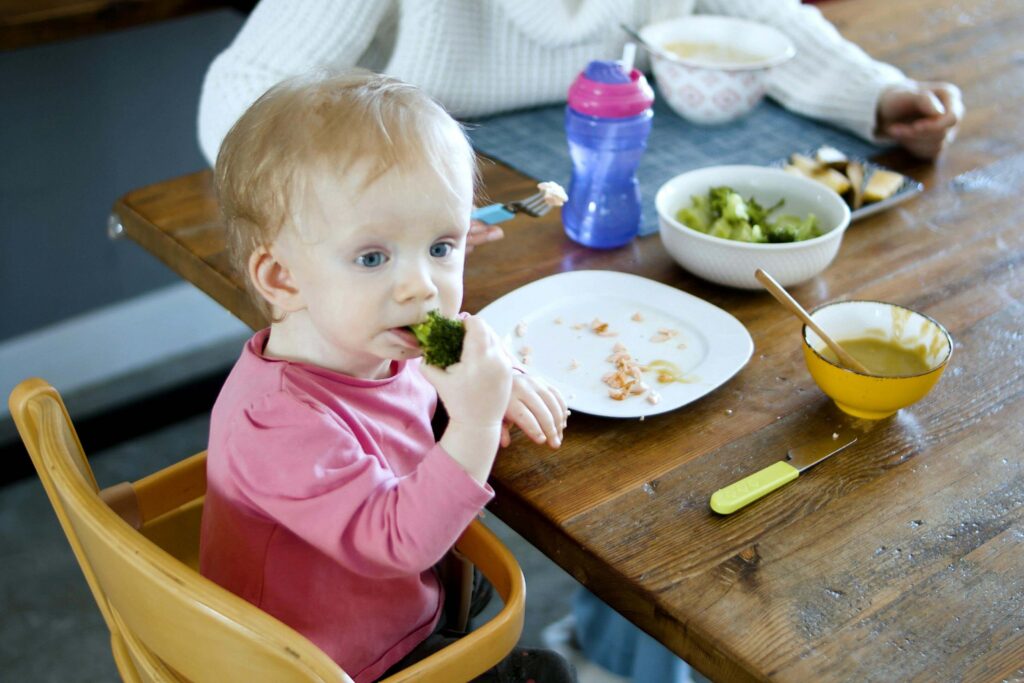
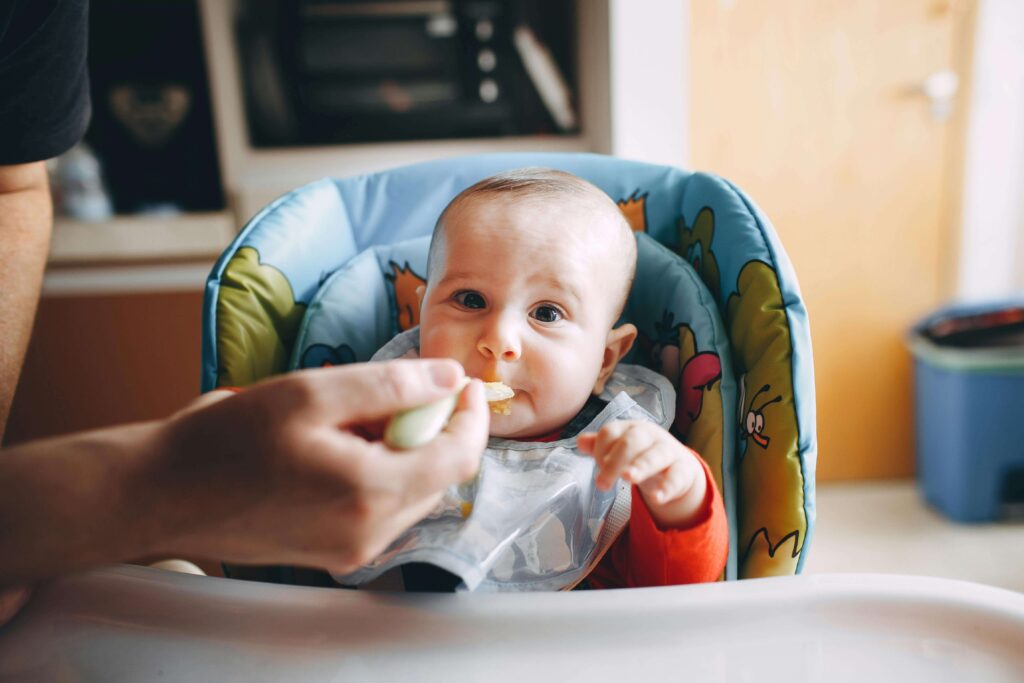
Finding the best first vegetables for baby is an exciting milestone, but transitioning to solid foods can be a new stage for the baby and for us too! When I was transitioning my child to solid foods, I realized from the start that I should start with small portions.
Let’s be honest, picking that very first veggie feels like a huge deal, doesn’t it? It’s not just about the vitamins—it’s actually about helping our little ones get used to all those strange new flavors and textures without a meltdown. Plus, some of these veggies are secret weapons for iron absorption, which is exactly why they go so well with my other guide on [Top 5 Iron-Rich Foods] and why they are the best first vegetables for baby to start with.
I’m sharing my top 5 picks for a first vegetable that is nutritious, delicious, and kid-friendly.
1. Sweet Potato
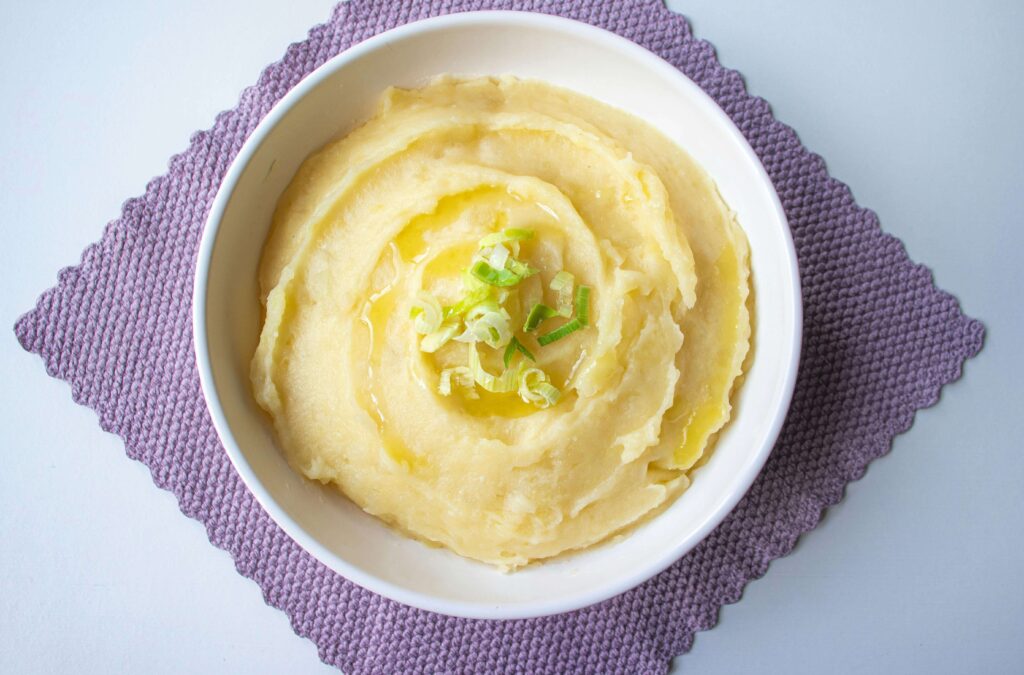
First on my list? Sweet potatoes. Honestly, they’re a lifesaver because they’re naturally so creamy. When my little one tried her first spoonful, she didn’t even do that ‘funny face’ babies make with new foods—she just wanted more. Plus, knowing it’s loaded with Vitamin A for her eyesight made me feel like a pro-mom from day one.
My tip: Moms and dads, remember to roast or steam until very tender. Mash or blend to avoid lumps.
2. Carrots
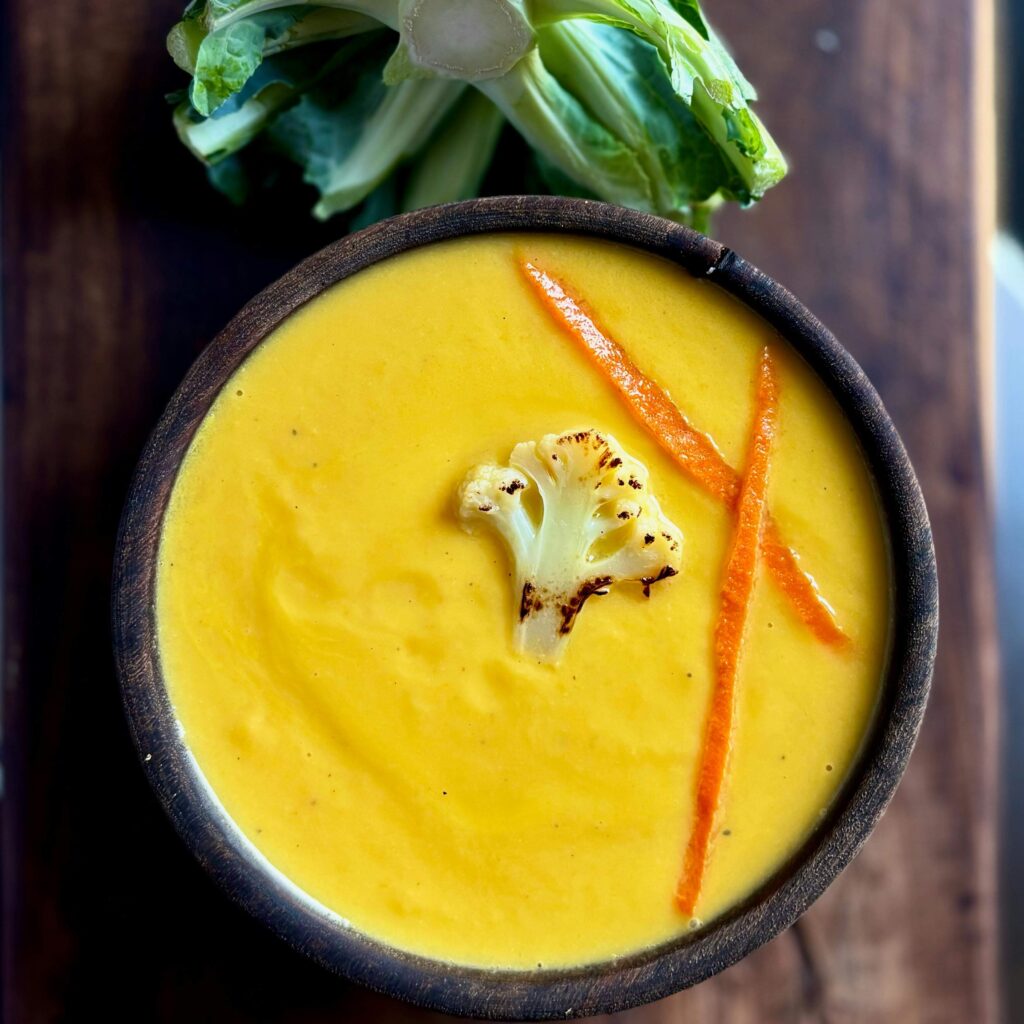
Next up on my list? Carrots. There’s something about that bright orange color that babies just seem to love. Plus, they’re packed with Vitamin A, which is a huge win for their developing eyesight.
A quick heads-up for you: if you want to keep all those healthy vitamins locked in, steaming is definitely the way to go over boiling. And if the texture feels a bit too thick at first, don’t sweat it! Just stir a tiny bit of the carrots into their usual milk or formula to make it super smooth for a beginner eater. Carrots are widely loved by parents as one of the best first vegetables for baby because of their mild, sweet taste.
3. Green Beans
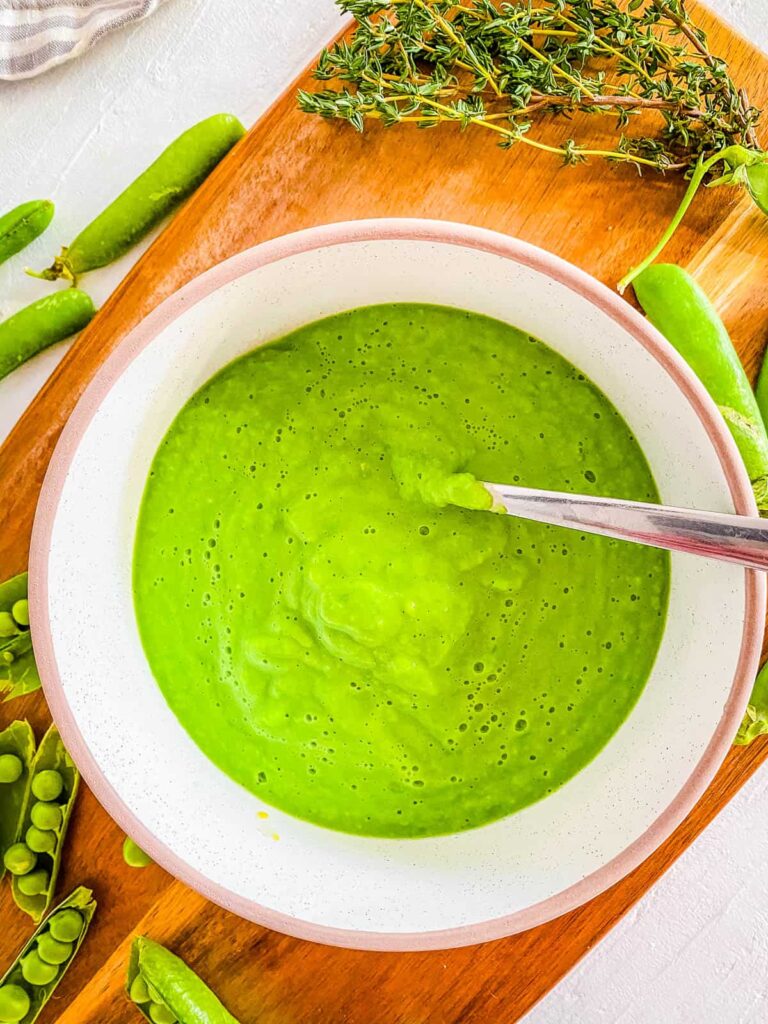
Okay, let’s talk green beans. I was a bit skeptical at first because of the texture, but they’re actually amazing for keeping everything ‘on track’ downstairs (if you know what I mean!). The flavor is so mild that it didn’t overwhelm my little one at all. Pro-tip: blend them until they’re silky smooth, or you might end up with a very picky eater on your hands! I always blended mine until they were silky smooth to make them less ‘scary’ for a first-timer. Its mild flavor and texture make it a great first food. When your little one is ready for soft solids, that’s exactly when I introduced green beans.
My tip: Make sure to steam it, then blend it to get a silky texture. I also froze it in small portions to prepare later.
4. Peas

Don’t let their size fool you—peas are like tiny powerhouses. They’ve got all that Vitamin C which, as I mentioned, is iron’s best friend. I used to mix these with a little potato to make them extra creamy. You can find these featured in our Top 5 Iron-Rich Foods for 7-Month-Old Babies (Easy & Nutritious Choices) post. Because they are so nutrient-dense, many pediatricians consider peas to be among the best first vegetables for baby to try.
My tip: My friends, steam the peas and potatoes and mash them. Their sweetness usually wins over our little eaters.
5. Butternut Squash
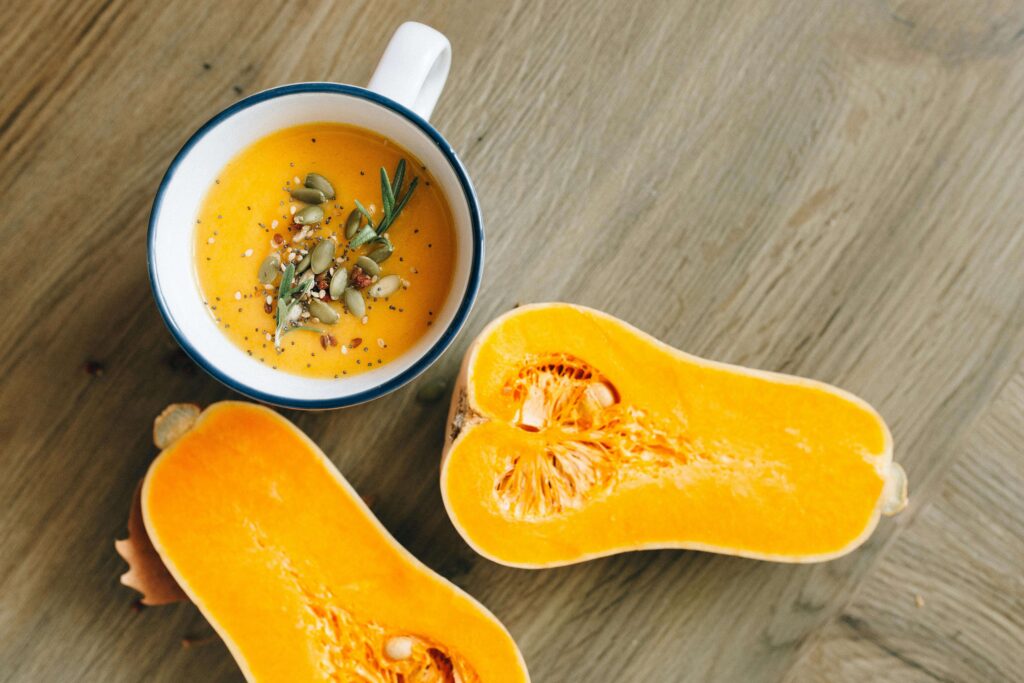
Butternut squash is gentle on little stomachs and easy to prepare. It’s rich in vitamin A and has a sweet flavor that my child really loves. Butternut squash is another one of the best first vegetables for baby because it’s gentle on little stomachs and easy to prepare.
My tip: For extra sweetness, we recommend roasting in the oven, or steaming for a softer puree.
Pro Tip: Vitamin C & Iron Go Hand in Hand
Here’s a little ‘pro-tip’ my pediatrician shared with me that actually changed how I prep meals. It turns out, those veggies like peas or green beans aren’t just tasty—they’re packed with Vitamin C, which is like a secret weapon for helping your baby’s body soak up iron. So, when you pair them with something like lentils or spinach, you’re basically making sure your little one gets every bit of goodness out of their food.
So, Should You Steam or Roast?
Whichever cooking method you choose, the goal is to keep these best first vegetables for baby as healthy and tasty as possible.
| Method | Best For | Nutrient Preservation | Notes |
| Steaming | Soft purees | High | Best way to keep the good stuff in |
| Roasting | Finger foods | Moderate | Adds natural sweetness and flavor |
A Few Things I Wondered About (And You Might Too)
When I first started, I had so many “what ifs” running through my head. For instance, I kept asking myself which vegetable to pick first. If you’re feeling that same pressure, my advice is to keep it simple. I went with carrots and sweet potatoes because that natural sweetness is usually a winner, and the texture is so forgiving for a baby who’s just learning how to swallow.
Another thing I was curious about was mixing flavors. Can you actually combine them? Absolutely! In fact, once my daughter got used to single tastes, I started mixing “boring” greens with butternut squash. It was my little secret for getting her to enjoy the healthy stuff without a struggle. It makes mealtime feel like a fun little flavor experiment for them.
And please, don’t stress over how much they’re actually eating. I started with just a tiny teaspoon or two—mostly just for the experience. Some days were great, and other days more food ended up on her bib (and the floor!) than in her mouth. Just go at their pace; they’ll definitely let you know when they’ve had enough.
Wrapping Things Up
Trust me, the whole veggie thing is a bit of a wild ride. Some days it’s just a giant green mess and you’re wondering why you even bothered, but then they actually swallow a spoonful and it’s the best feeling! My biggest takeaway? Just watch your baby, not the clock (or the endless Google tabs). They’ll let you know what they need better than any search engine ever could. At first, I looked up a lot of information online, but everywhere I looked, they said different things. From my experience, I recommend starting slow, mixing flavors, and watching how your little one discovers new aromas. Remember, every baby is different, so go by their cues and enjoy this special stage!
Medical Disclaimer: This article is based solely on my experience. Always consult with your pediatrician before introducing new foods to your child.